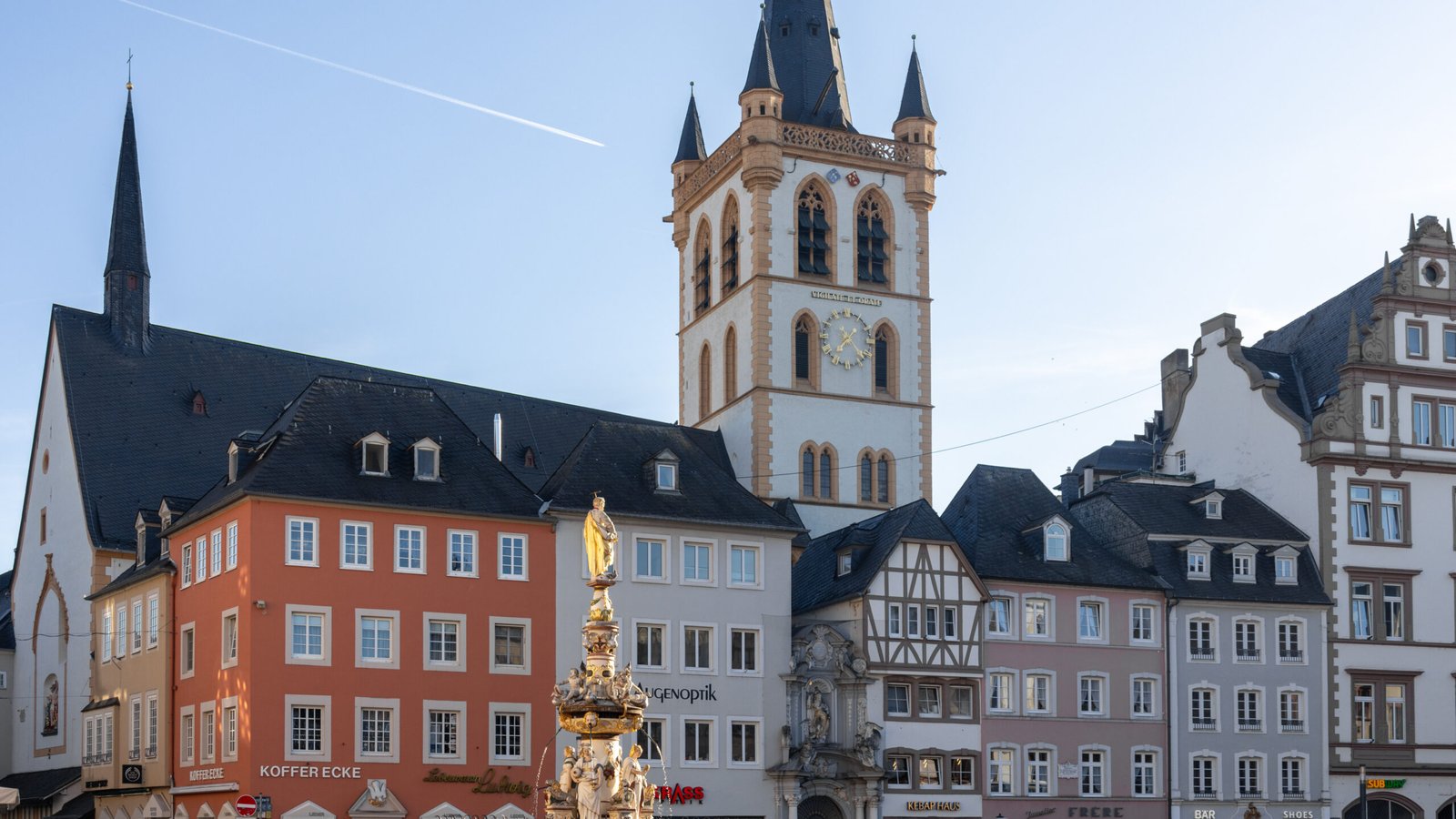
Anyone with an interest in history should have Trier, Germany, on their list of places to visit in Europe. With a history stretching back more than 2,000 years, it’s widely considered to be the oldest city in Germany. And with that comes many unique attractions and hidden gems to explore. Trier was founded by the Romans and was once an important imperial residence. Much of the city’s Roman past can still be seen today, through its impressive ancient ruins. These ruins sit alongside medieval churches and elegant squares, so there’s a lot of interesting things to do in Trier during a day trip.
Its combination of Roman history, a walkable centre, and relaxed atmosphere makes it very attractive for visitors. Most of the main attractions are a few minutes’ walk from one another, making it very easy to see the city’s highlights in a day. Trier is also the perfect day trip from Luxembourg. If you’re planning on staying in Luxembourg and want to add another country to your trip, you’ll find an abundance of things to do in Trier. We only spent half a day here and managed to see the main highlights, though I would recommend a full day trip so you can enjoy the city more.
Things to do in Trier, Germany
Hauptmarkt
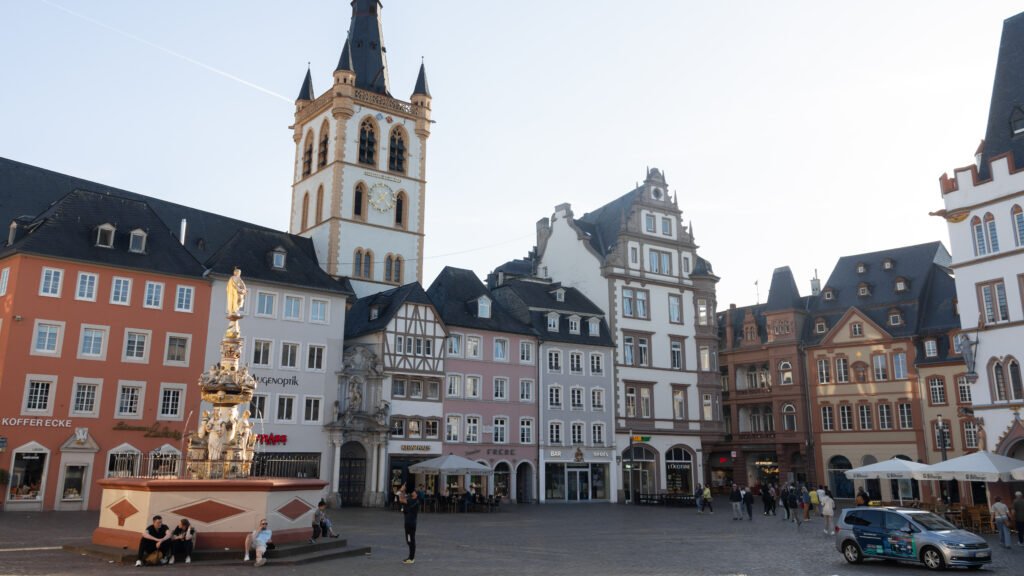
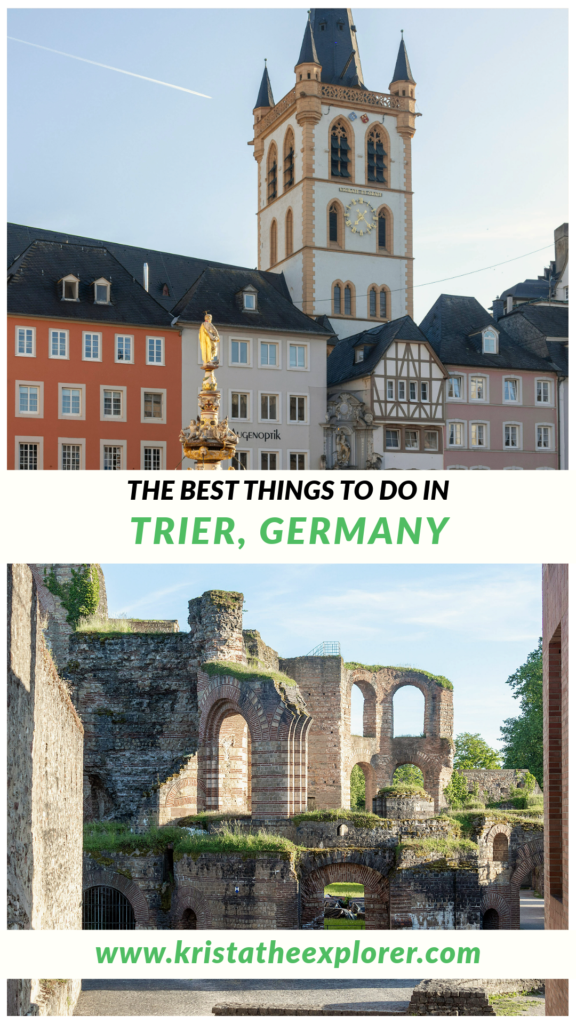
The main market square in Trier is called Hauptmarkt. Since the Middle Ages, Hauptmarkt has served as the very heart of the city, with its central Market Cross dating back to the mid-10th century. This makes it the oldest surviving Market Cross in Germany and a must-see for history enthusiasts. Surrounding the square are beautiful colourful buildings that are now home to an array of shops, bars, and cafes. This is also where the Church of St Gangolf is located.
Hauptmarkt is a great starting point during a day trip to Trier, and it’s somewhere you’ll most likely pass through several times during the day. We visited closer to sunset, so although there weren’t any market stalls set up, the square had a very vibrant atmosphere as people enjoyed grabbing a drink and conversing outside of bars. Before continuing along the narrow streets, take some time to admire the unique façades and historic buildings.
Trier Cathedral
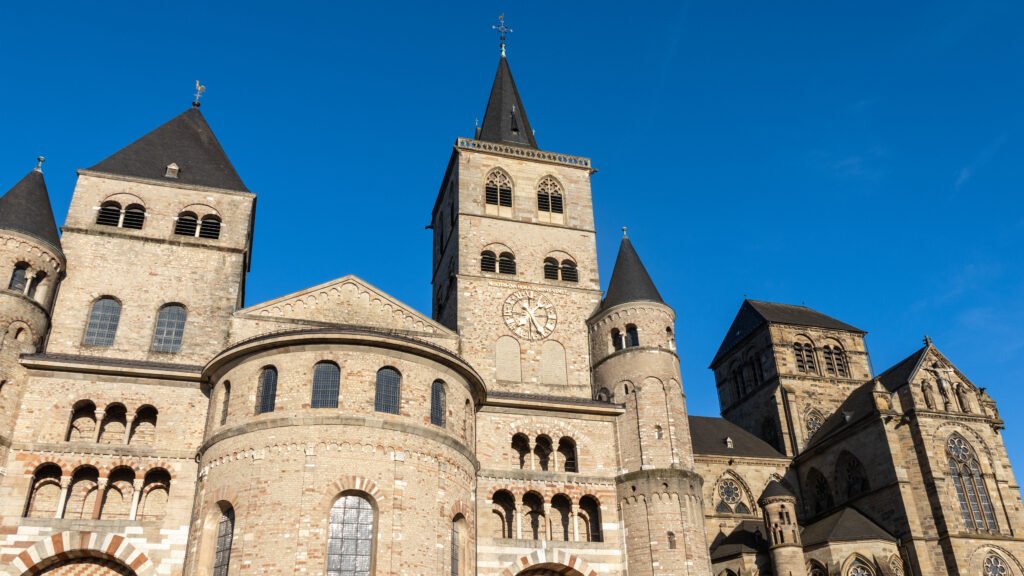
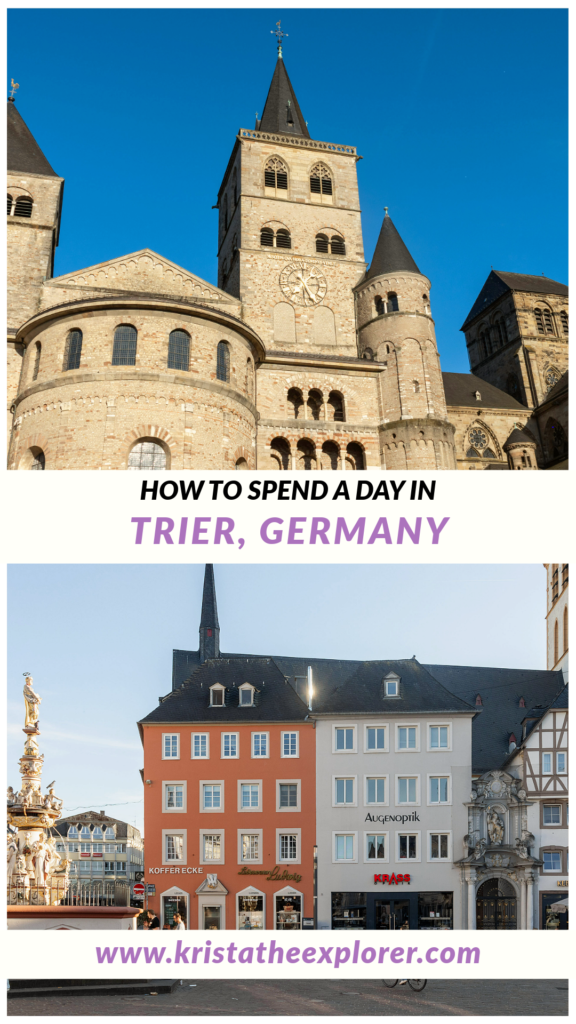
One of the top things to do in Trier is to visit Trier Cathedral, also referred to as the Cathedral of St. Peter. The cathedral dates back to the 4th century, when a large Christian complex was constructed where a Roman palace once stood during the reign of Emperor Constantine. It’s one of the oldest cathedrals in Europe, and you can see how many changes it’s undergone over the centuries thanks to its unusual mixture of architectural elements.
Trier Cathedral sits very close to Hauptmarkt, next to the Church of Our Lady. Sadly, the cathedral was closed when we visited, but if you visit earlier in the day, you can step inside and see elaborate altars, historic tombs, and crypts. The Holy Robe, worn by Jesus during his crucifixion, is also said to be inside. The long-standing history of Trier Cathedral, as well as its unique architecture, makes visiting it one of the most important things to do in Trier.
Basilica of Constantine
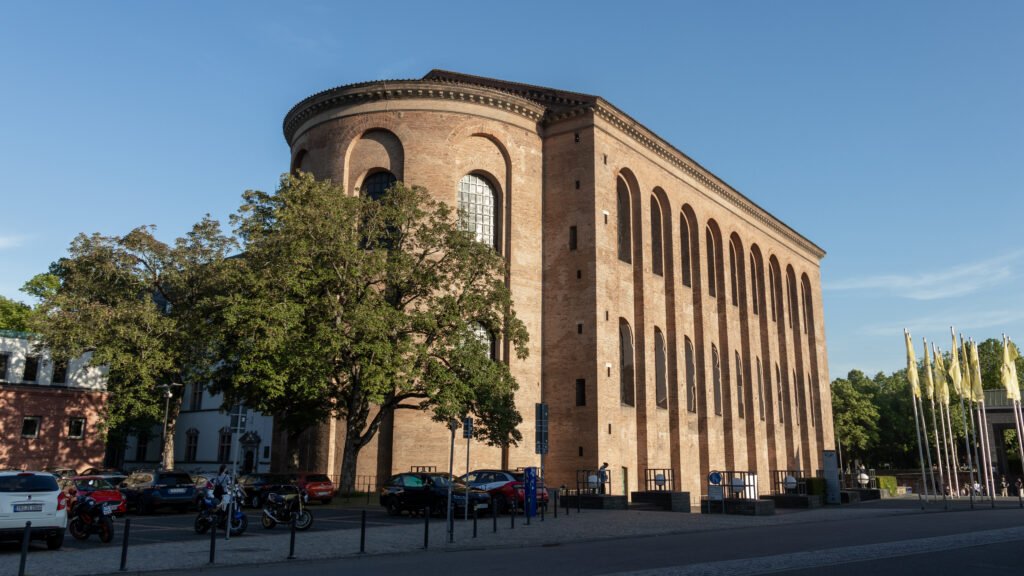
If you’re interested in Roman history, you need to add the Basilica of Constantine to your list of things to do in Trier. It was constructed in the early 4th century as an imperial throne hall, with an enormous interior designed to showcase the authority of Emperor Constantine. The basilica is one of the largest surviving single-room structures from this time period. Its name can be confusing, though, as it was never built for religious purposes, but rather as part of a larger Roman palace complex.
The building was heavily damaged during WWII but was later restored. Today, the basilica is being actively used as a Protestant church. It still stands as an impressive structure from the Roman period, and it’s close to other key attractions in Trier, too.
Electoral Palace
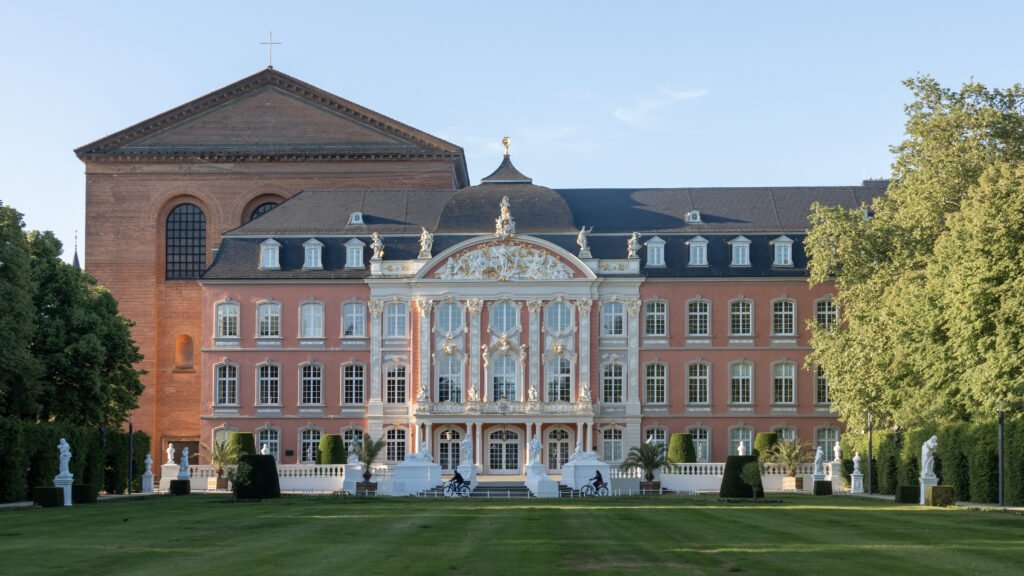
One of my favourite places to visit in Trier is the Electoral Palace, which was once the residence of the prince-electors and archbishops in the region. Construction of the palace started in the 16th century, and parts of the Basilica of Constantine were incorporated into it. The stunning Rococo façade seen today, with its pink walls and breathtaking sculptures, wasn’t added until the mid-18th century.
Most of the building is now used for government offices; however, visitors are free to roam around the palace’s exterior and gardens. At the far end of the gardens, as you make your way to or from the Imperial Baths, there’s a fantastic view of the Electoral Palace which is perfect for photos. For history lovers, exploring the grounds of the palace is one of the best things to do in Trier, and it’s completely free!
Kaiserthermen
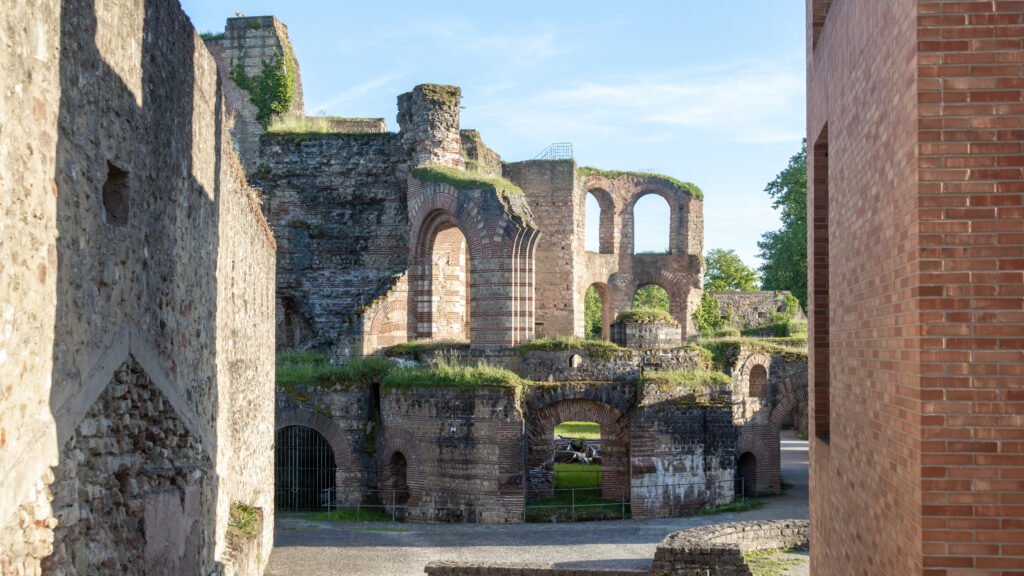
The Imperial Baths, or the Kaiserthermen, were another impressive structure built in the 4th century under the reign of Emperor Constantine. The initial plan was for an enormous public bathing complex to be erected, which would include leisure areas, hot and cold rooms, and advanced water and heating systems. Unfortunately, the baths weren’t completed to their full scale, and the site was later used for other purposes.
These Roman ruins are located behind the Electoral Palace, so they’re very easy to add to your Trier itinerary. The baths are difficult to see from the outside due to a fence, so I would recommend getting a ticket to explore the complex if you have time. This will give you a unique insight into Roman engineering and make you feel like you’re walking straight through an ancient site in Rome.
Porta Nigra
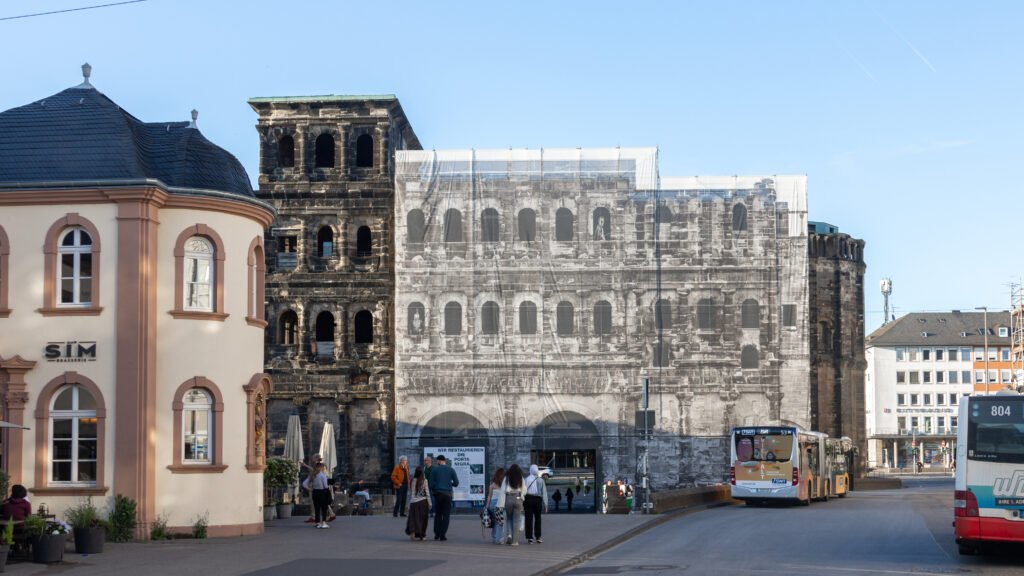
While spending time in Hauptmarkt, don’t forget to walk down to Porta Nigra. This is the most well-known landmark in Trier and one of the most impressive surviving Roman city gates in Europe. The gate dates back to the 2nd century, when it was built as part of the city’s defensive walls. Its name translates to “Black Gate”, referring to the dark colour of the sandstone. In the Middle Ages, Porta Nigra served as a church, which helped protect it from being taken apart for building materials.
At the time of our visit, part of the gate was covered in scaffolding, but we were still able to pass under the arch and view both sides of it. If you’re visiting Trier when Porta Nigra is open to the public, you can pay to explore the upper floors and take in the views of Trier from above. There are a few different levels connected by stairs, so make sure you plan enough time in your schedule to see it in its entirety.
Explore the historic streets of Trier
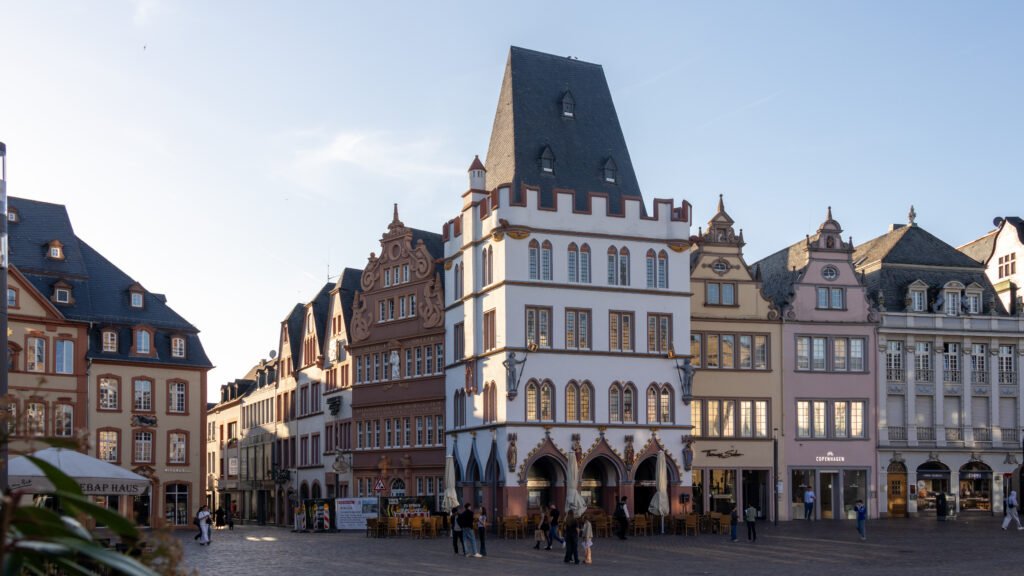
There are a lot of things to do in Trier during a day trip, but when you’ve seen all the main attractions, take some time to explore the historic streets at a leisurely pace. These streets reveal how the city continued to develop and expand around its Roman and, eventually, medieval foundations. Besides walking along the ancient route connecting Porta Nigra with Hauptmarkt, you should also look out for Dreikönigenhaus, which is a colourful medieval house with an unusual elevated doorway.
Looking further away from the main shopping streets, you’ll find a quieter side to Trier, including what was once the medieval Jewish quarter. Wherever you end up, you’re sure to find plenty of quaint shops, picturesque streets, and hidden gems throughout the historic centre of Trier. You may want to join a guided walking tour of Trier as well, so you can learn all about the city in a short amount of time.
Where to eat in Trier
Burger House

There are a lot of traditional restaurants and bars to enjoy in Trier. However, if you want something quick and easy, I’d recommend trying Burger House. They specialize in freshly made burgers, including smash burgers, with options ranging from classic burgers to unique varieties with toppings like fried Gouda and avocado. Most burgers come with hand-cut fries, but you can upgrade them to loaded fries, too. Round off your meal with a tasty milkshake, and you’ll be full for most of the day.
While this wasn’t the best burger I’ve had, the restaurant seemed very popular, so it’s worth trying out if you want to eat in the heart of the historic centre.
Places to stay in Trier
To make the most of your time in Trier, it’s a good idea to stay in the centre. For something close to Hauptmarkt, Park Plaza Trier is a great option with spacious rooms and a Roman-inspired wellness centre. If you’re looking for a more historic hotel, Romantik Hotel Zur Glocke is a popular choice, situated inside a 16th-century building close to Trier Cathedral. Mercure Hotel Trier Porta Nigra sits right across from the Roman gate, which is ideal for anyone spending time in the historic centre as well.
Staying in Luxembourg City is a good alternative if you’re only adding Trier to part of a wider Luxembourg itinerary. We stayed just outside of the city and drove to Trier, which took around an hour. There are also direct train links if you’re not renting a vehicle. Spending a night in Trier is worthwhile, though, if you prefer to visit the city at a slower pace.
Is Trier good for a day trip?
Trier is the perfect choice for a day trip, especially if you’re staying over the border in Luxembourg and want to visit another country without much travel time. Its walkable centre makes it very easy to see the major attractions in a few hours, with a little time left for lunch or dinner, depending on your plans. Staying overnight will allow you to add even more things to do in Trier to your itinerary and appreciate the city’s unique Roman heritage. Trier is a must-visit city in Germany for anyone with a love of history and architecture, so make sure it’s on your list.
If you have any questions about things to do in Trier or where to eat in the historic centre, please feel free to reach out. You can get in touch via email or through the contact form on my website. Don’t forget to follow my travels on Instagram and TikTok too, where you can find more helpful travel tips.
This post may contain affiliate links, which means I may earn a commission from the discount codes used or when a link/ad is clicked. All purchases made will come at no extra cost to you, and I only include products and services that I would personally recommend.
Pin this blog post for later!