When planning a city break to Poland, Katowice may not be the first city that comes to mind. It should be considered, though, as this once industrial powerhouse is now one of the most modern destinations in the country. What started as a rural settlement quickly expanded during the 19th century, thanks to steel production and coal mining. The introduction of the railway also transformed Upper Silesia. Today, Katowice has reinvented itself as a lively cultural hub, with plenty of museums, creative spaces, and striking architecture to admire, though traces of its past are still prominent. The city’s combination of industrial heritage and modern city life is found in many of the best things to do in Katowice.
Most people who visit Katowice only go for a day. However, spending a full weekend in Katowice gives you plenty of time to learn about Silesian culture, explore the historic neighbourhoods, and enjoy the local food scene. It’s a very convenient base for visiting other attractions in the region, such as the Tarnowskie Góry Silver Mine and Pszczyna Castle. Auschwitz is also much closer to Katowice than it is to Kraków. With so much to do in and around Katowice, this guide will help you see the city’s main highlights while uncovering a few hidden gems and food spots you shouldn’t miss.
Public transportation in Katowice
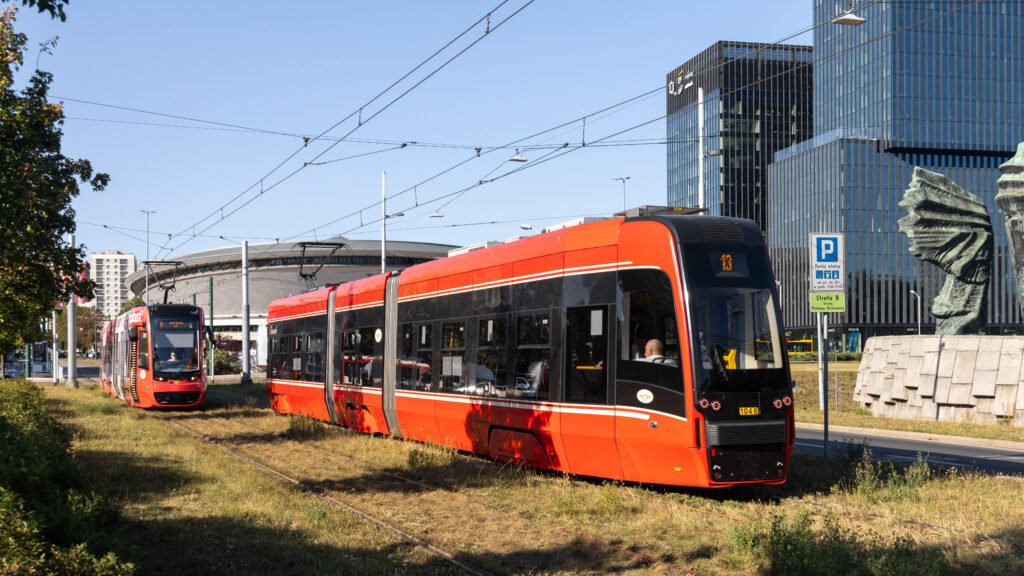
Many of the best things to do in Katowice are within easy walking distance of one another. The city centre is also relatively flat, so it’s quite accessible. We mainly used public transportation for visiting places that were further away, such as Nikiszowiec. Katowice’s public transportation network is very efficient, consisting of trams and buses. Tickets can be purchased onboard by tapping your card on the machine, or you can purchase them from machines at certain shops, or on the transport app Jakdojade. Make sure you validate your ticket before or right after starting your journey to avoid a fine.
We only used the tram network twice, and the bus once to get from Katowice Airport to the city centre. The bus stop at the airport is right outside the arrivals hall, and is well signposted so you can’t miss it. It should depart from bus stop 2, and the line you want to look for is AP or M11. It takes around 45 minutes to get to the city centre by bus, and tickets are very cheap. No trains leave from the airport to the city centre.
Best things to do in Katowice
Silesian Museum
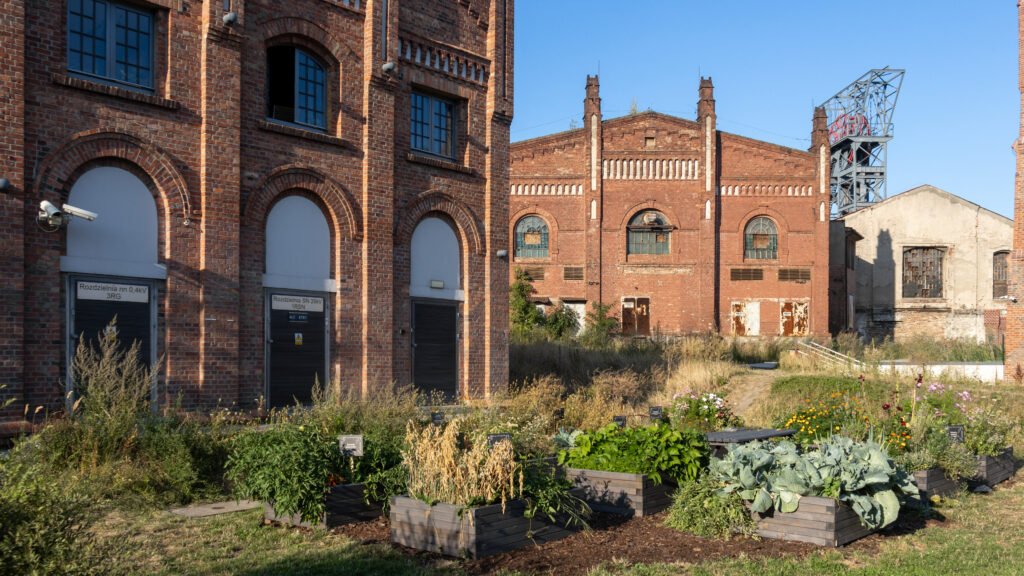
The Silesian Museum was founded in 1929, and it’s the best place to start learning about Katowice’s history. The original museum was destroyed during the German occupation, before the collections could be properly opened to the public. Today’s museum is housed inside part of the former Katowice coal mine, which brings the theme of the museum to life in an industrial setting. Most of the exhibition space is underground, allowing the original mine buildings to prominently feature above.
Inside, the exhibitions cover everything from Silesian culture to the Silesian Uprisings, the region’s changing borders, and life under communist rule. There are also areas covering Polish art, so I’d recommend spending at least 2 hours at the Silesian Museum to see everything. It’s one of the best things to do in Katowice, and even if you don’t plan on going inside, the industrial buildings outside are worth wandering around.
Go to the top of the mine shaft tower
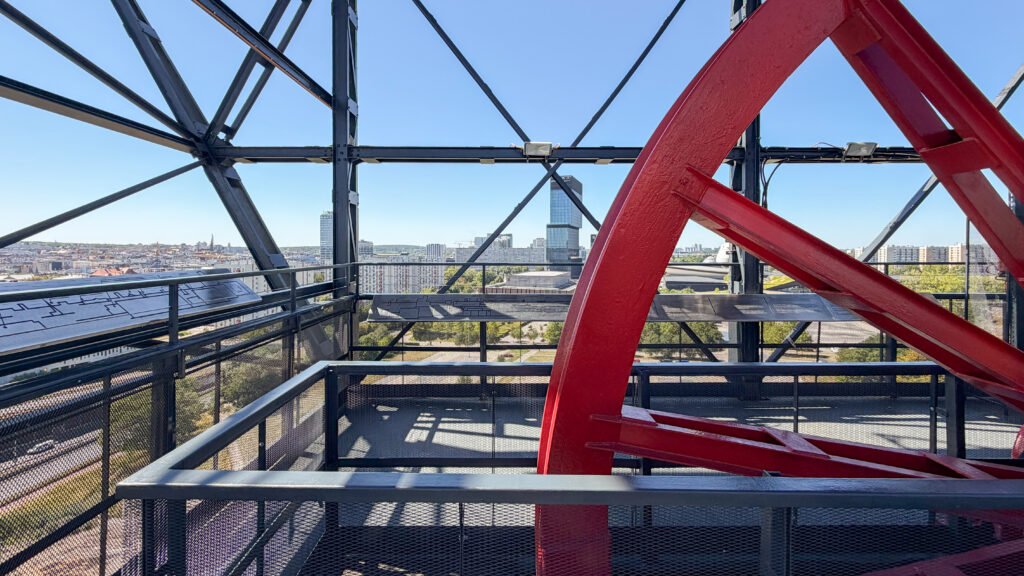
Before leaving the Silesian Museum complex, don’t forget to purchase a ticket to go to the top of the mine shaft tower, called Warszawa II. Built in 1924, it once formed part of the coal mine. Instead of removing it when the museum was being redeveloped, it was adapted into an unusual viewpoint of Katowice. Don’t worry – there’s an elevator that takes you straight to the top.
From the platform, you can see the entire city below, including the iconic Spodek multi-purpose venue and the modern Katowice skyline. There are information plaques around the platform that explain more about the history of the mine shaft and the coal mining industry in Katowice, too. This was one of my favourite things to do in Katowice, and ticket prices are very reasonable.
Visit Spodek
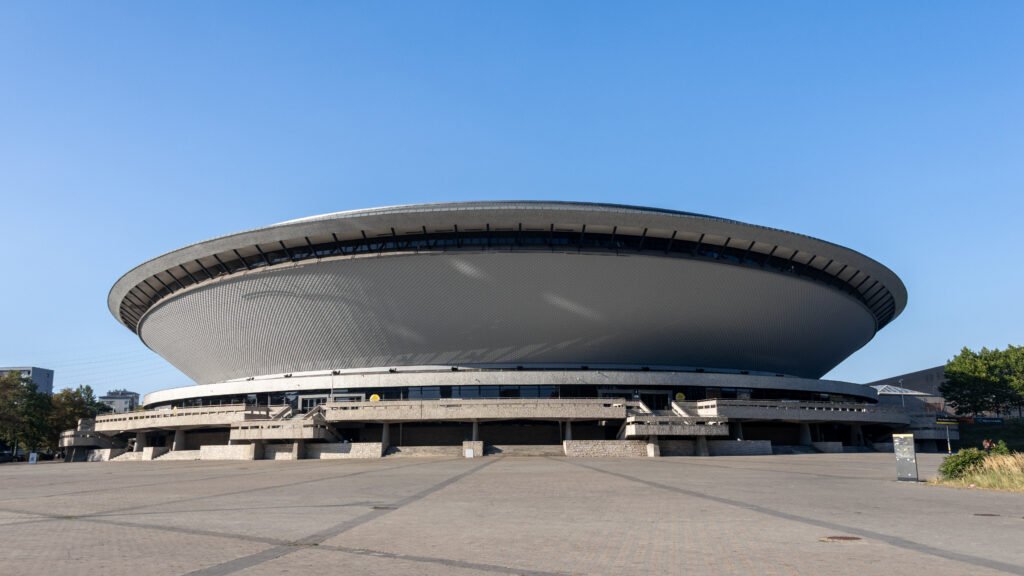
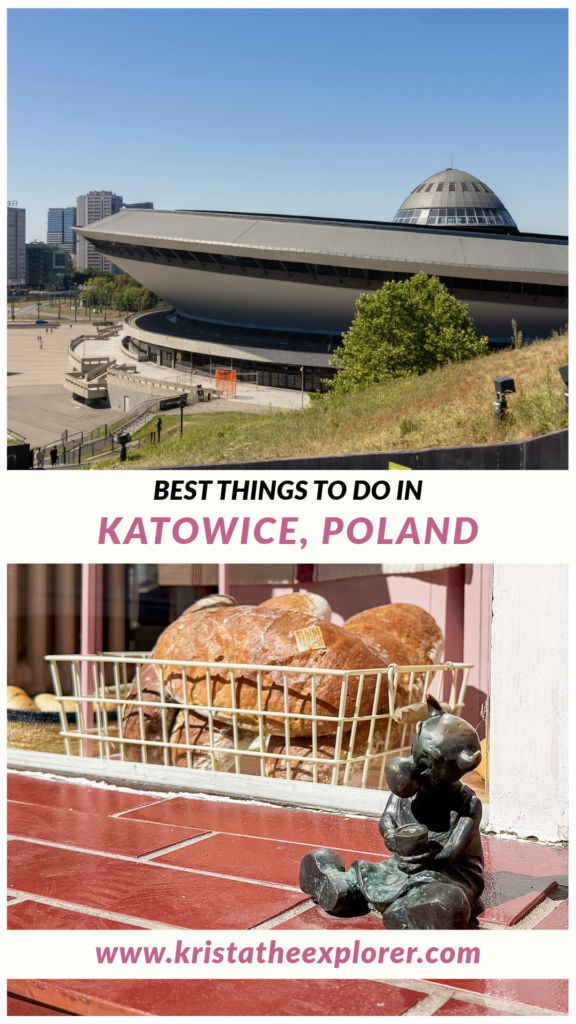
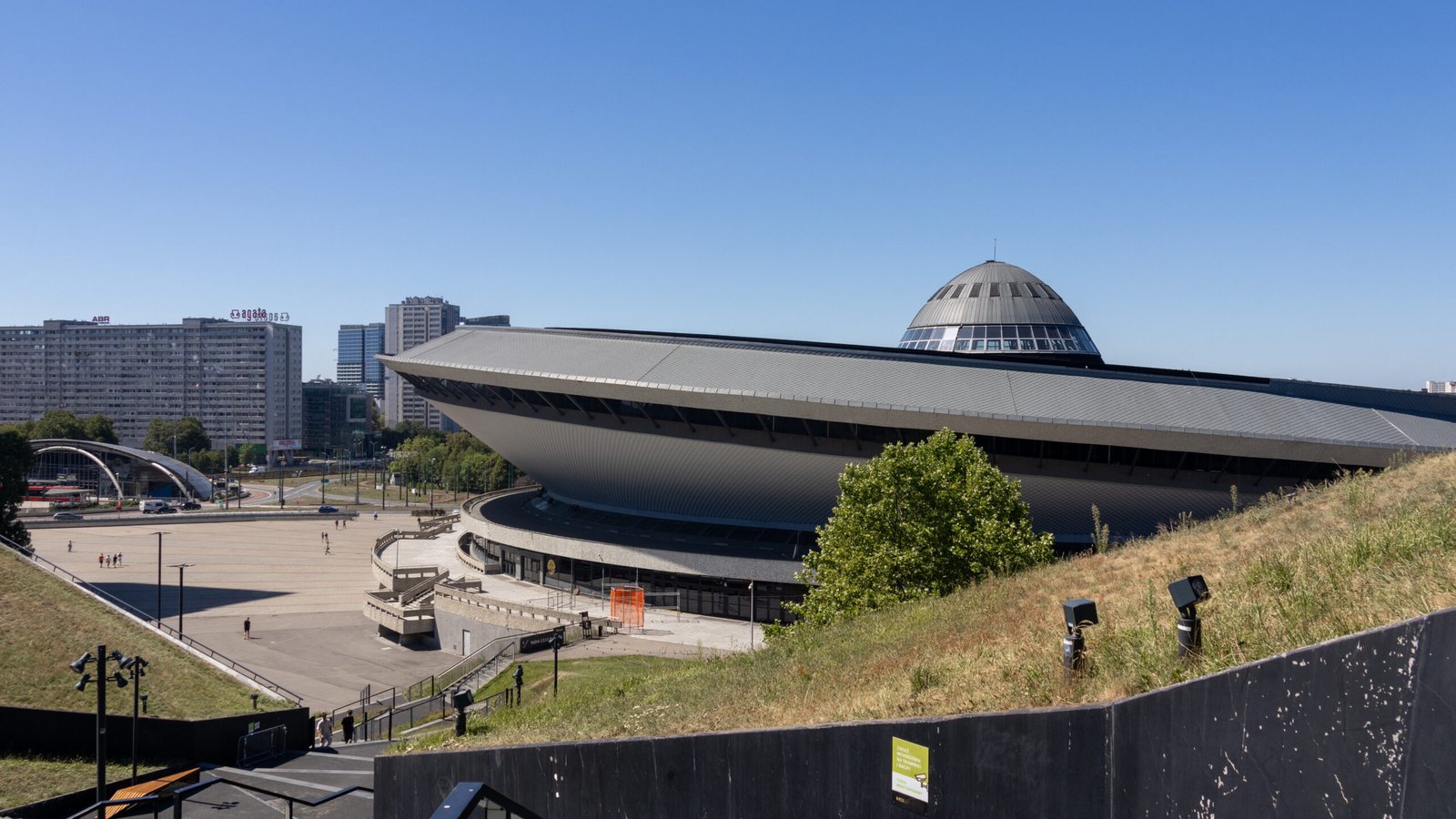
The most iconic landmark in Katowice is Spodek, meaning “saucer” in Polish. The arena was opened in 1971, and its suspended roof was an innovative engineering achievement at the time. Today, the venue is used for sporting events, exhibitions, and concerts. Even if you’re not attending an event, it’s definitely worth walking around its exterior and taking some photos. Spodek sits at the entrance to the Culture Zone, next to the International Congress Centre and the home of the Polish National Symphony Radio Orchestra, so it’s a bustling part of the city.
The best view of Spodek isn’t from the ground, though. To the right of the arena are some steps that lead to the landscaped roof of the International Congress Centre. From here you’ll have the perfect view of Spodek and the surrounding area, and there are some shaded seating spots, too. This is considered one of the top free things to do in Katowice, and it’s especially nice near sunset.
Silesian Insurgents’ Monument
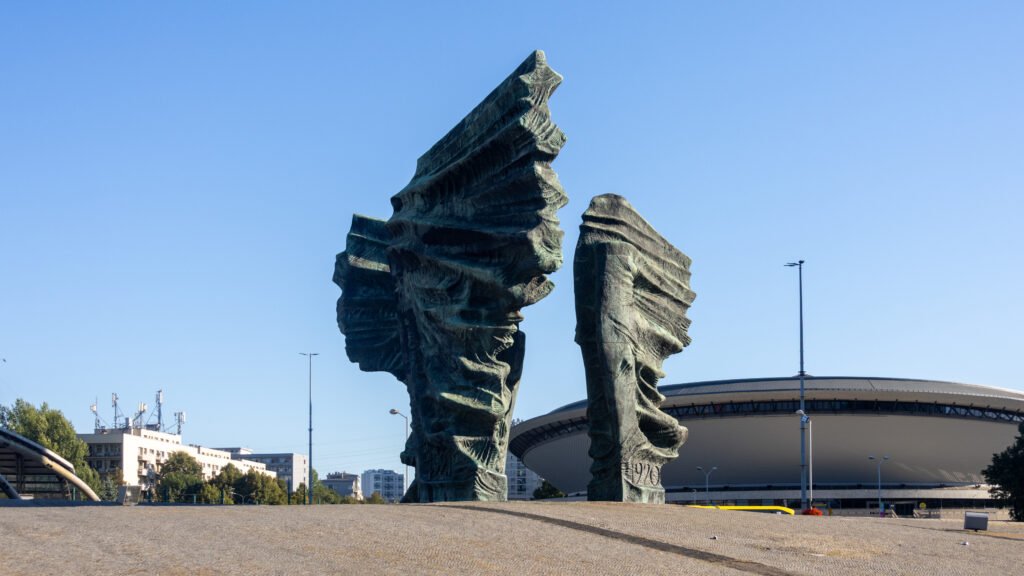
As you make your way out of the Culture Zone, make sure to stop at the Silesian Insurgents’ Monument. It commemorates the people who participated in the three Silesian Uprisings, which were closely connected to the debate of Upper Silesia becoming part of Poland or remaining within Germany after WWI. The outcome of these uprisings helped shape the modern borders of the region.
The Silesian Insurgents’ Monument was unveiled in 1967, featuring three bronze wings that represent the three uprisings. The slopes below them are inscribed with the names of places where the battles occurred. It’s a very unique monument to look at, both up close and from further away, and it’s worth adding to your list of things to do in Katowice.
Take a photo of Superjednostka
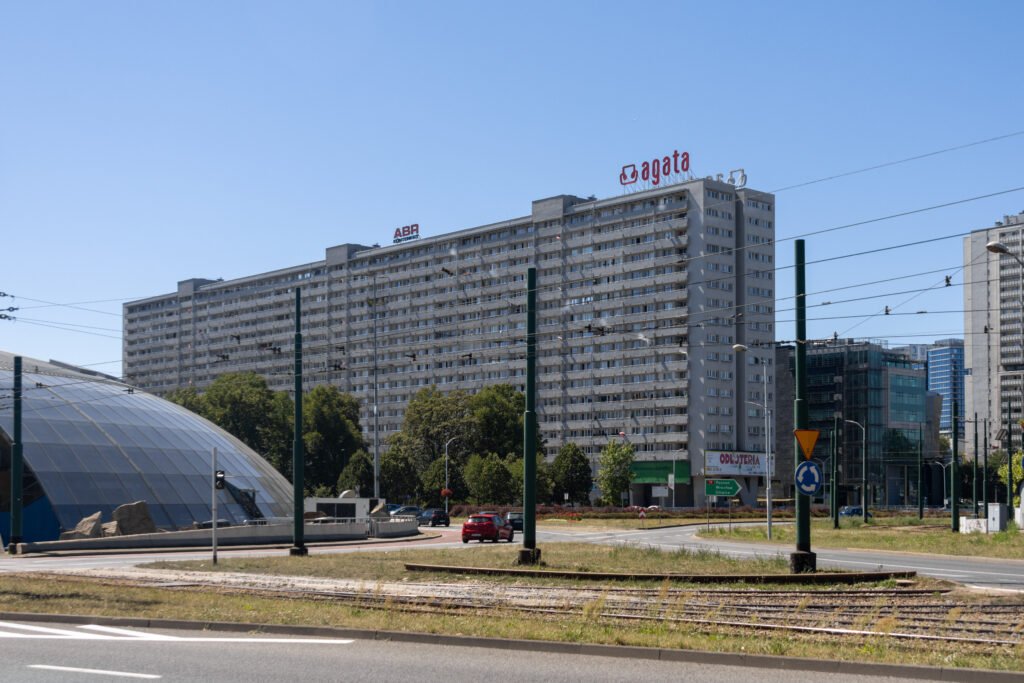
Sitting across the road from the Silesian Insurgents’ Monument is an enormous apartment block called Superjednostka, which translates to “Super Unit”. It’s one of the most impressive post-war residential blocks in Katowice, built to provide modern, compact accommodation within the expanding city. It contains more than 750 apartments, and its repetitive balconies make it very popular among people who enjoy Brutalist architecture. For the best view of Superjednostka, there’s a large open space across from the Silesian Insurgents’ Monument.
Get an ice cream from Istne Lody Rzemieślnicze
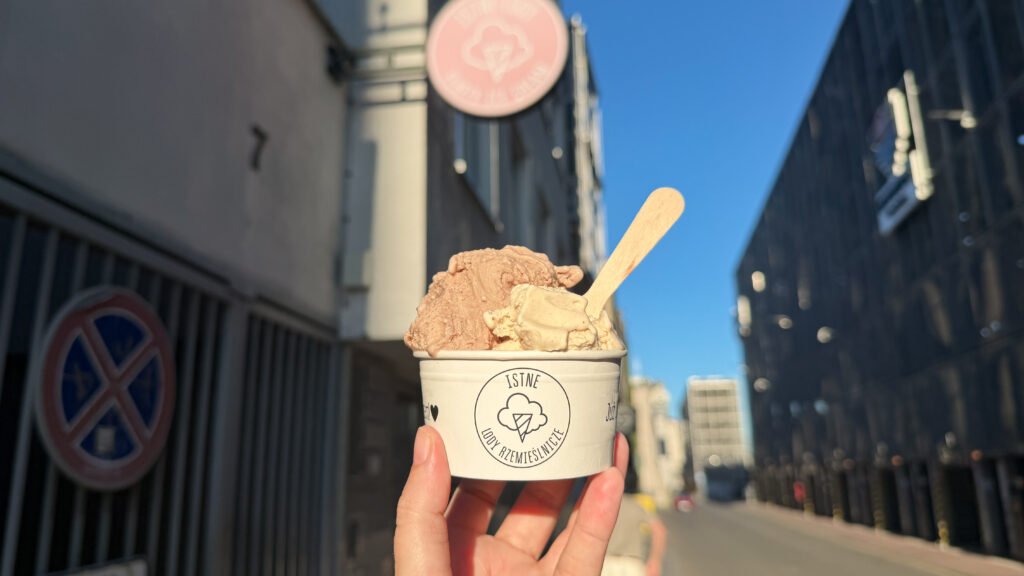
One of the best places for ice cream in Katowice is Istne Lody Rzemieślnicze. It’s a small shop with artisanal ice cream, located just behind Mariacka Street, that produces all of its flavours right on the premises. There are always new selections available, so each time you visit you’ll find something new to try. It’s a great spot to come during the warmer months, and there are a few seats inside where you can cool down for a bit. Or, after choosing your ice cream, you might want to take it with you as you walk around the surrounding streets of central Katowice.
Walk down Mariacka Street
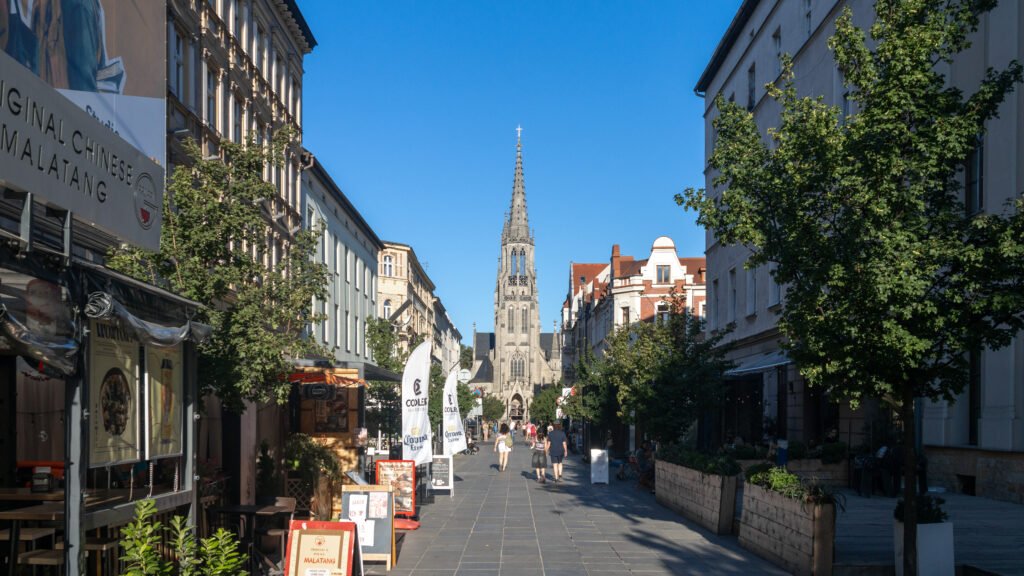
Mariacka Street is one of the busiest pedestrian areas in the city, and it’s a popular meeting place for locals. The street is lined with cafes, restaurants, and outdoor terraces, and on weekends the bars are very busy. During the day, the street is relatively quiet, so it’s nice to walk along and admire the buildings.
At the end of the street sits Immaculate Conception of the Blessed Virgin Mary, which was constructed in the 19th century and is the oldest surviving Catholic church in Katowice. It dates back to the time when Katowice was growing into a thriving industrial city. In the evening, the church is fully illuminated and even nicer to photograph.
Explore Market Square
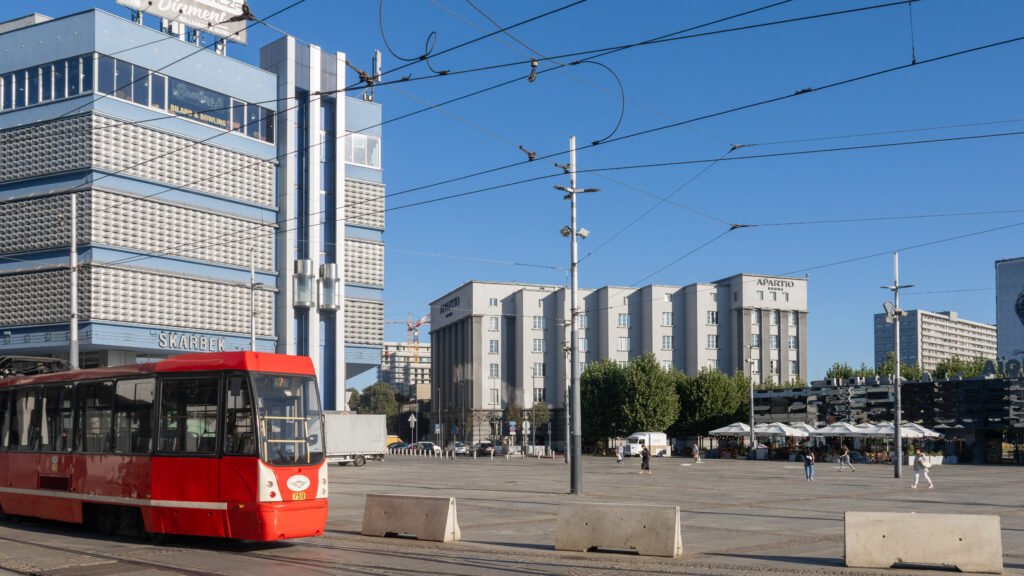
Market Square is a unique public space that differs from medieval squares found in other Polish cities. Since Katowice developed much later, a large portion of the historic centre was redeveloped during the communist period. You’ll still find trams passing through Market Square and different types of architecture from various periods lining the perimeter. I visited the square early in the morning, and it was nice to walk around without so many people there.
What’s interesting about Market Square is that it’s actually split into three smaller spaces. One of the key features of the main square is Sharbek – a large department store completed in the 1970s. It was originally designed without street-level drop windows, with unique exterior glass elevators that still function today. You can also find the Silesian Theatre in Market Square, and plenty of historic buildings to photograph.
Monument to the Scouts of September
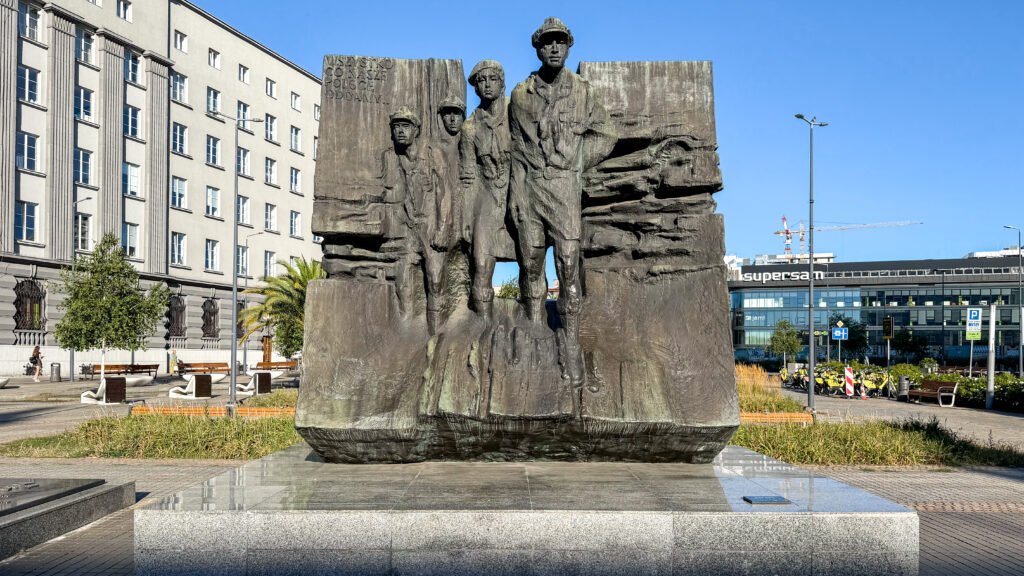
Another monument you shouldn’t miss in Katowice is the Monument to the Scouts of September. It’s located within Market Square, specifically in Obrońców Katowic Square, and it honours the young scouts who helped defend the city against the Germans when they invaded Poland in September 1939. The scouts, local volunteers, and former Silesian insurgents became part of the resistance movement when regular Polish forces withdrew from Katowice.
The bronze monument was unveiled in 1983 and depicts a group of boys expressing their willingness to fight for Poland. It’s very easy to miss while passing through Market Square, but it’s definitely worth adding to your list of things to do in Katowice if you’re interested in learning about the city’s past.
Grab a souvenir from Gryfnie
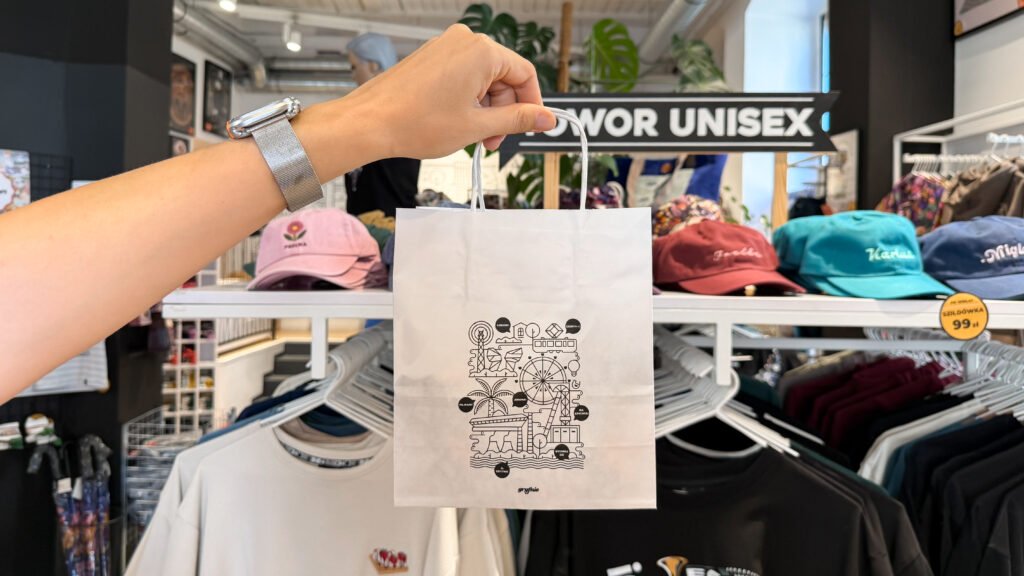
While walking around Katowice, I noticed that there weren’t too many souvenir or gift shops for visitors. The best option I could find was Gryfnie, an independent shop that celebrates Silesian culture through clothing, homeware, designs, and food. Many products feature words in the Silesian language, which is something that visitors aren’t likely to come across in other parts of Poland. You can find the store just a short walk from Archcathedral of Christ the King, so it’s easy to add to your list of things to do in Katowice.
Hunt for Beboki
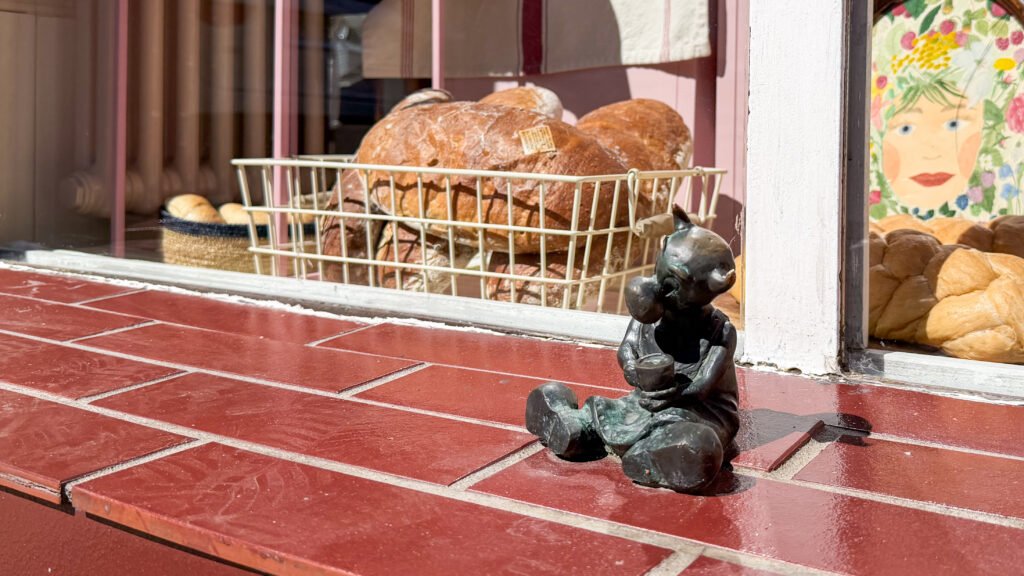
There are several unique things to do in Katowice, but my favourite has to be hunting for Beboki. Spread around the city are over 100 small bronze statues known as Beboki, which are tied to Silesian folklore. The story is that a frightening Bebok would appear to children and warn them if they were misbehaving.
These creatures have now been reimagined as more friendly characters, each with their own accessories, name, and connection to the place where it stands. You’ll find that some represent certain professions, whereas others are tied to Silesian culture. There are a number of them dotted around Market Square, the Culture Zone, and Nikiszowiec. You can also download an app that shows you the exact location of them all.
Explore historic Nikiszowiec
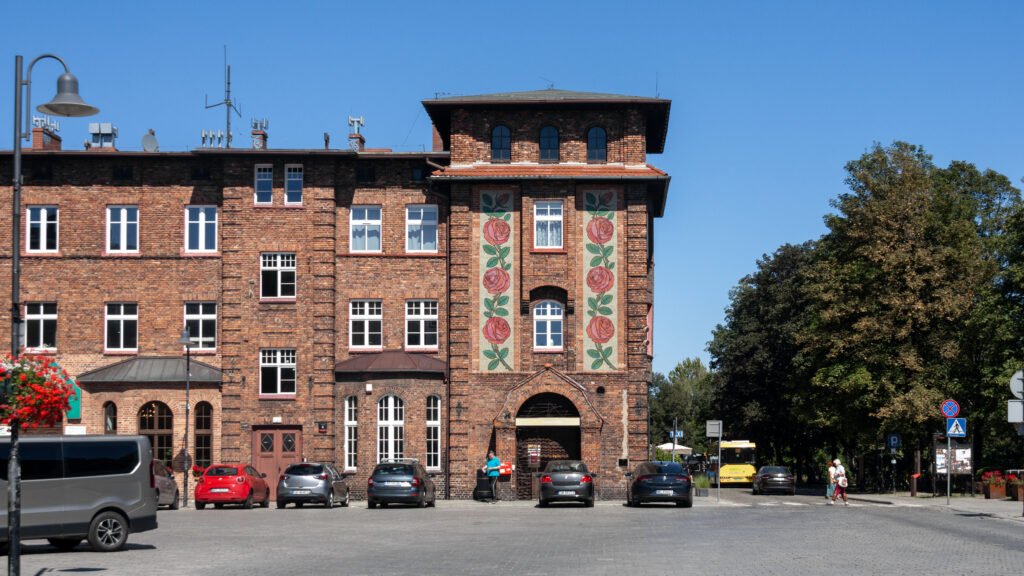
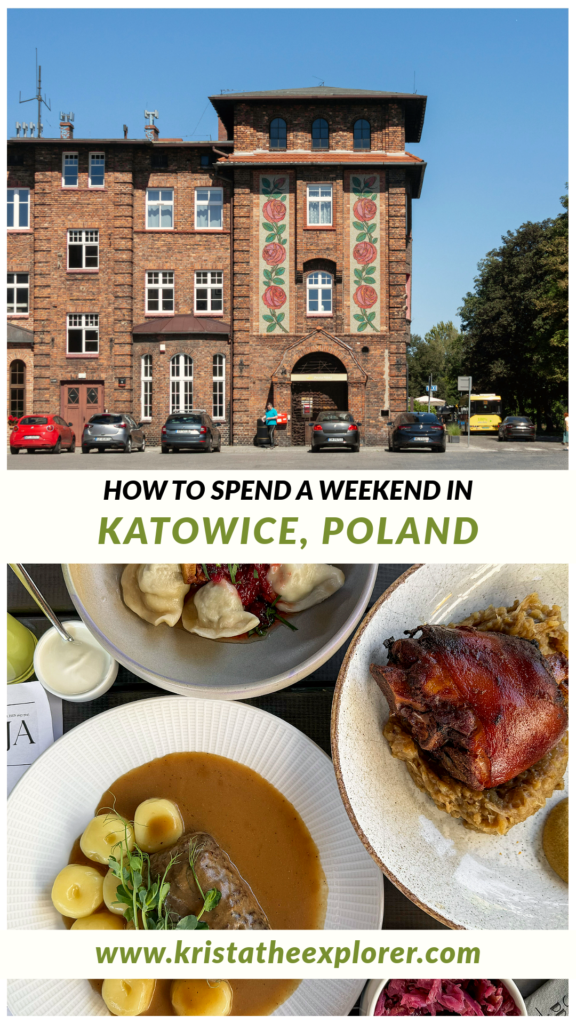
Spending a weekend in Katowice will give you plenty of time to hop on a bus and explore historic Nikiszowiec. This district was built in the early 20th century to house workers from the coal mine. It’s made up of interconnected red-brick buildings arranged around large internal courtyards, with red-painted window frames and beautiful covered passageways that make it one of the most photographed places in Katowice. The heart of the district is the central square, where the Church of St Anne and the historic “rose building” are located.
If you’re interested in learning more about Nikiszowiec’s history, the City Ethnology Department of the Katowice History Museum is a great place to start. It’s located inside the district’s former bathhouse, with exhibitions that explore mining families and recreated traditional apartments. Nearby Giszowiec is a similar neighbourhood designed by the same architects that’s also worth visiting if you have time, though it’s not as condensed as Nikiszowiec.
Archcathedral of Christ the King
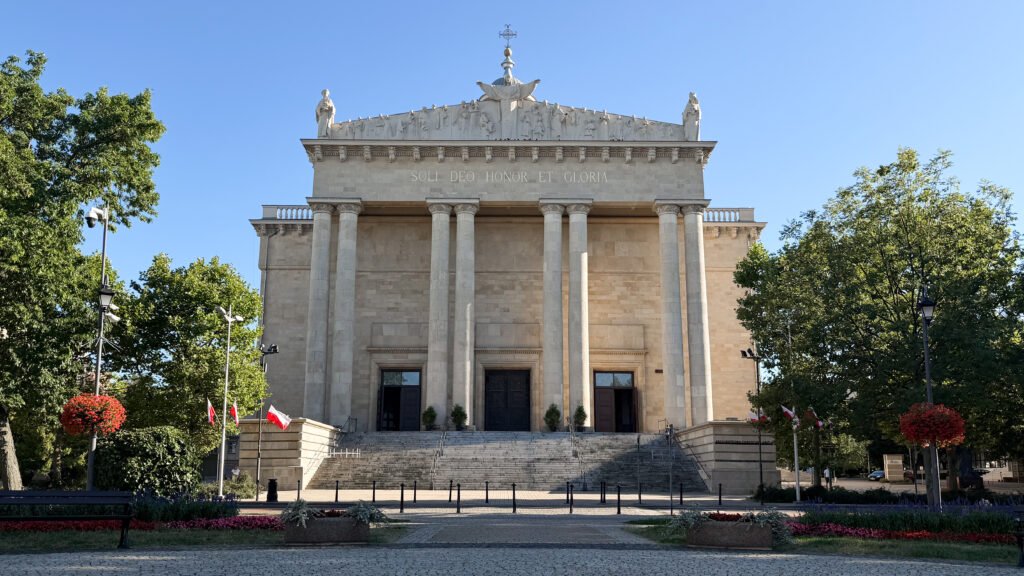
The Archcathedral of Christ the King is one attraction in Katowice that’s often missed. It’s one of the largest cathedrals in Poland, built not long after the creation of the Diocese of Katowice in 1927. However, it wasn’t completed until 1955 due to war and politics. The original design of the cathedral had a taller dome, but communist authorities required the height to be reduced so the church didn’t dominate the skyline of an industrial socialist city. Although we didn’t go inside the cathedral, it was worth making a detour to see it from the outside.
Find some street art
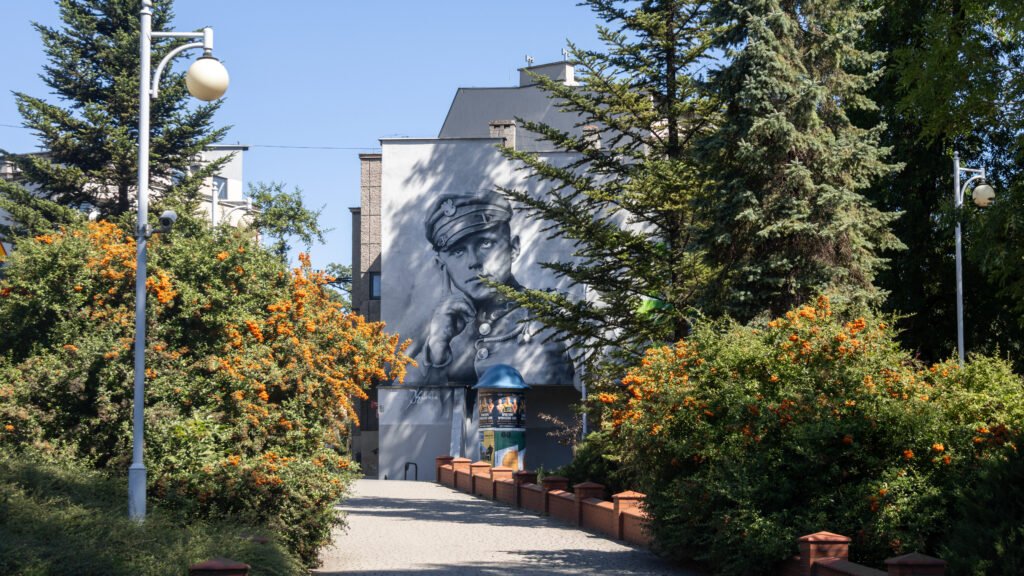
Over the years, Katowice has transformed from an industrial city into a creative one, and that’s visible through its murals. A lot of these murals were created during the Katowice Street Art Festival, where local and international artists were brought together. The artworks range from subtle pieces reflecting history, mining, and environmental issues to huge colourful compositions. And they’re not just in the city centre either. We came across a number of beautiful murals in residential areas as we were walking around. There are plenty of hidden gems to uncover around Katowice!
Have a drink of Wiśniewski
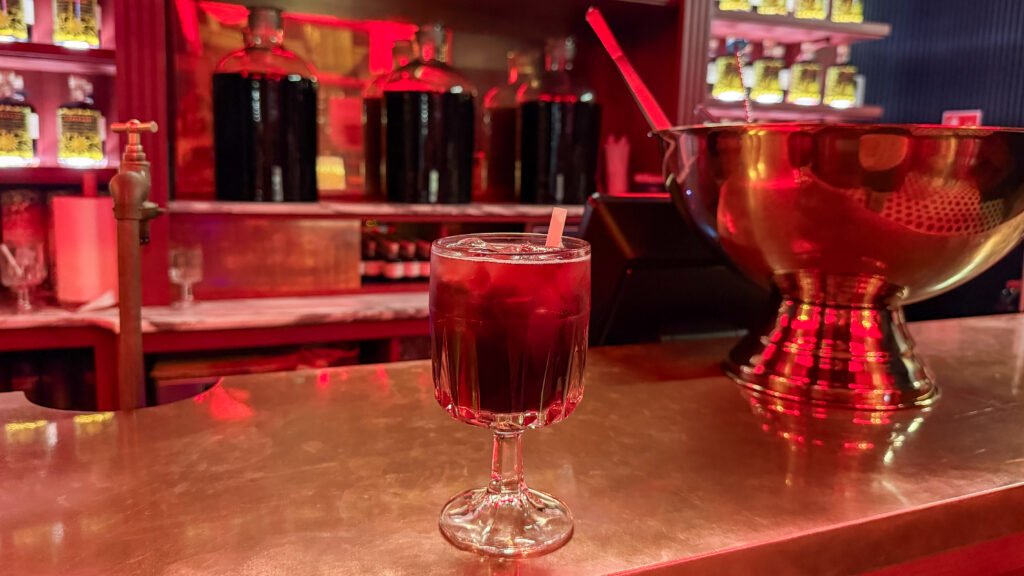
The nightlife in Katowice isn’t as big as other Polish cities, but there are still some great bars to enjoy. Wiśniewski is a particular favourite of mine, as it’s one we came across in Gdańsk. It’s a unique monobar that specializes in wiśniówka – a powerful liqueur made from cherries, with an intense red colour and strong flavour. The bar itself is themed after the colour of the drink, with red lighting and rows of bottles lining the shelves. You can enjoy wiśniówka hot or cold, depending on the season, and you can even buy bottles of different sizes to take home with you. Having a drink at Wiśniewski is one of the best things to do in Katowice at night.
Look for neon signs at night
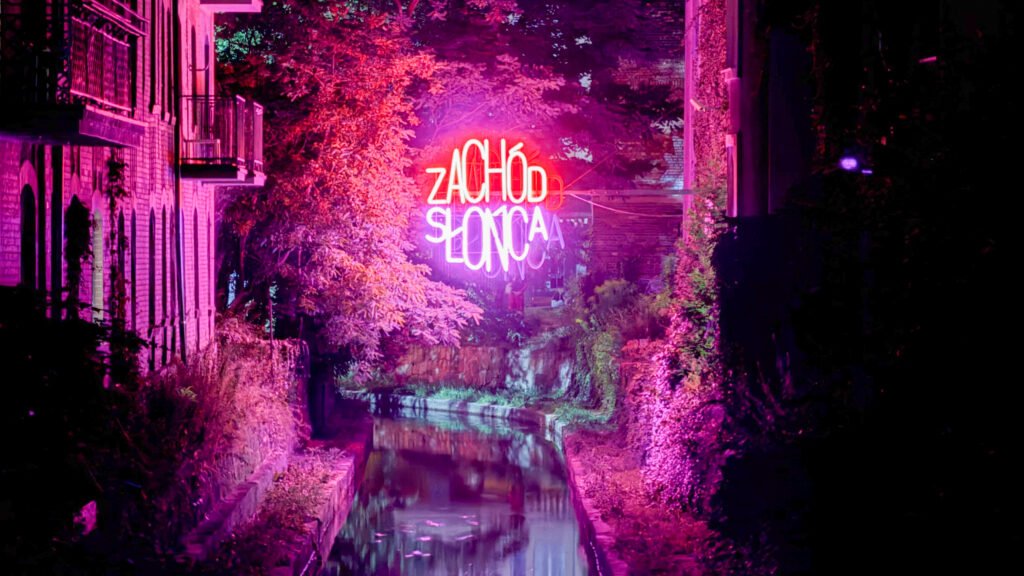
During the 1960s and 1970s, Katowice was famous for its neon signs that illuminated hotels, department stores, and restaurants. These creative neon designs projected an image of prosperity and modernity in the communist era. Many were designed to complement the purpose of the buildings in which they appeared, so no two were the same.
Although many of these neon signs in Katowice have long gone, the city has started to revive them to create a unique visual identity. If you want to find them, wait until after dark when they’re easy to spot all lit up. There are a lot of signs around Market Square and Mariacka Street, so be on the lookout. The city has an online map that you can follow as well, making it easy to plan your evening itinerary.
Cafes in Katowice
Zmatchowani
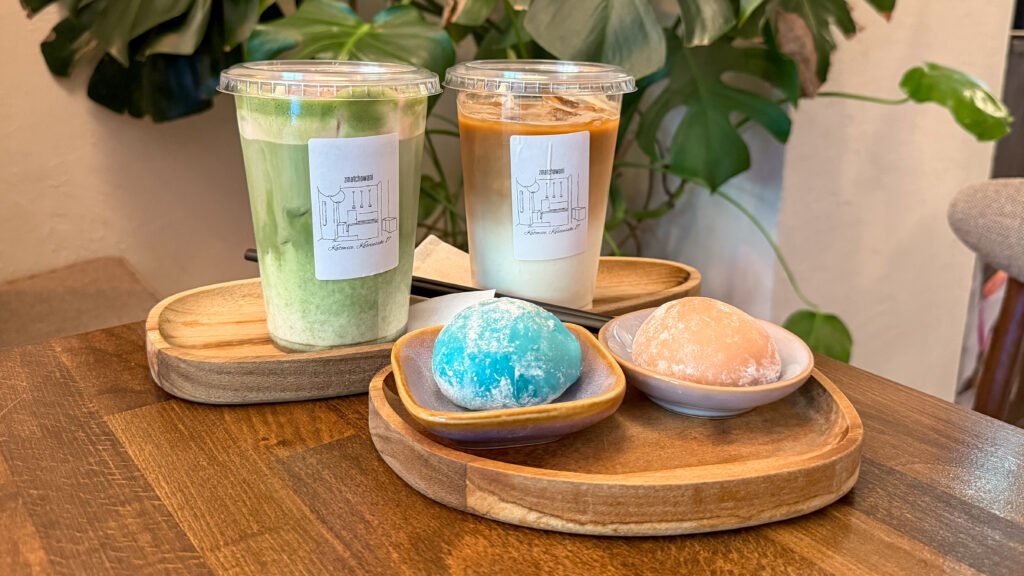
If you’re looking for matcha in Katowice, Zmatchowani is the perfect place. This cafe is located close to the Archcathedral of Christ the King, and its name is a playful reference to matcha, which takes up most of the menu. I normally go for a classic iced matcha latte, but there were a lot of interesting flavours available, so I tried their rose matcha, which was very nice. You can also find seasonal drinks available, as well as a good selection of coffee. And you can’t leave without ordering one of their mochi either!
Zmatchowani only has a few tables inside, so it feels much more personal than larger coffee shops. Its location makes it a great place to stop while you’re getting through your list of things to do in Katowice.
Drenda Specialty Coffee
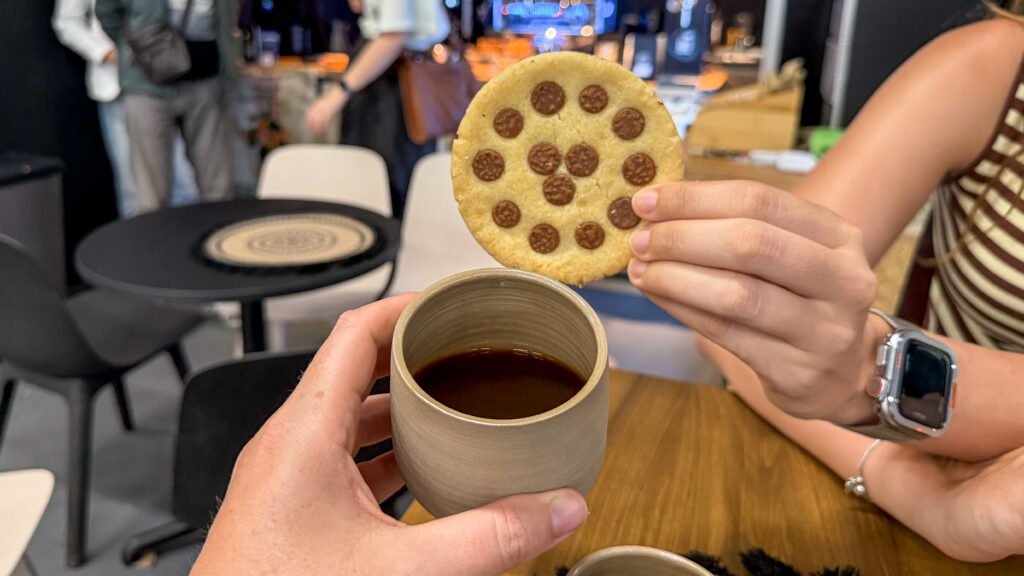
If specialty coffee is your thing, Drenda Specialty Coffee is a must-visit. To get here, you’ll have to take a short tram ride outside the city centre, but it’s worth it for the high-quality beans. This micro-roastery is located in BioBazar, inside a repurposed industrial complex. Since it operates on the schedule of the market, make sure you check its opening hours before visiting to avoid disappointment.
The menu is centred around specialty coffee, including cold brews, espresso, and lattes. Drenda roasts its own beans, which have been carefully selected, and the barista is there to explain each flavour profile and recommend the best beans for you. There are also a couple of sweet treats available, made locally. If you like experiencing local coffee scenes when you travel, Drenda Specialty Coffee needs to be on your list.
OBRÓT Coffee
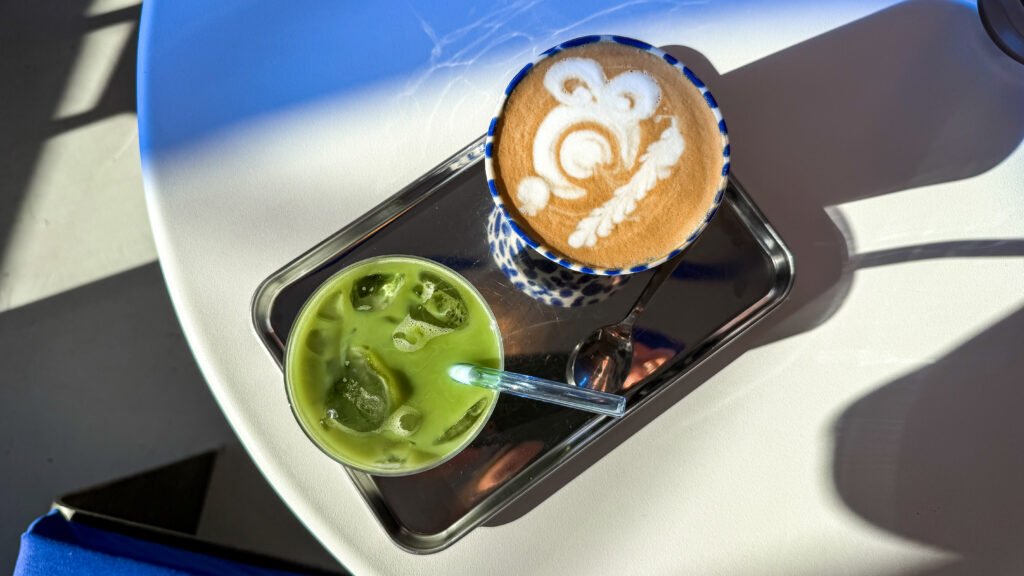
Sitting between the Archcathedral of Christ the King and the city centre is OBRÓT Coffee. It’s a small espresso bar featuring specialty coffee and matcha, and they often hold coffee-tasting events which look fun to join. We stopped in for a quick drink while taking a break from walking around Katowice and really enjoyed the bright and modern interior. We didn’t see any desserts or snacks on the menu when we visited, so I’m unsure if that’s something they offer or not.
Places to eat in Katowice
C’est si Bon Restauracja Prowansalska
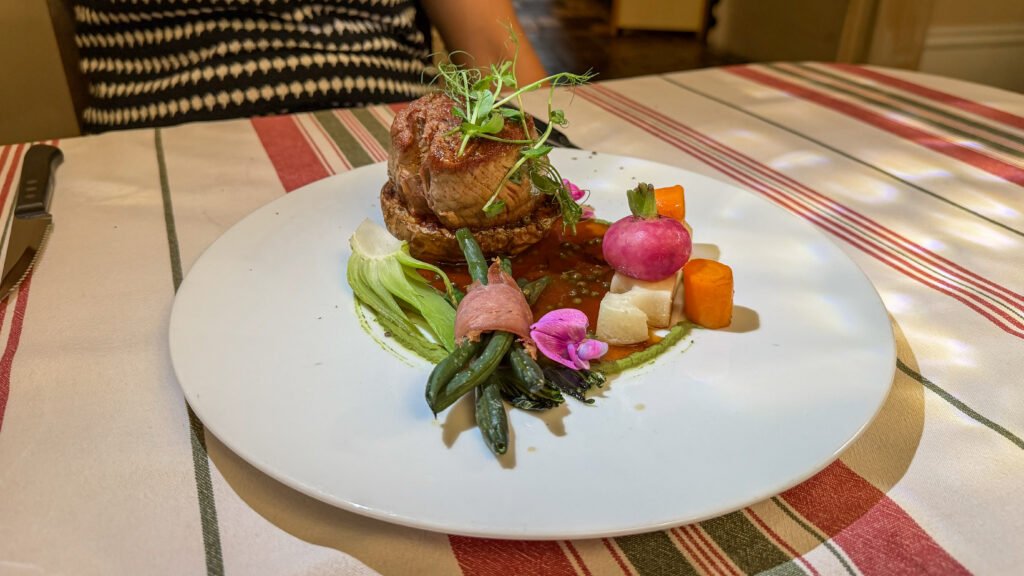
When you come to Katowice, you’ll probably want to try traditional Polish food; however, there’s a very good French restaurant that I’d highly recommend. C’est si Bon Restauracja Prowansalska is a locally-run restaurant that’s been operating for over 20 years. It’s set among historic buildings and has a quiet, elegant atmosphere that feels very different from the busy streets around Market Square. The interior is beautiful, and worth taking some time to look at while you’re there.
The menu focuses on classic French cuisine, with strong ties to Provence. You can find everything from escargots to French onion soup and turkey breast wrapped with ham on the menu. All of the dishes are presented beautifully and feature local ingredients that put a lot of colour on the plates. Make sure you leave room for a French-inspired dessert, such as chocolate fondant. C’est si Bon is worth visiting for a refined dining experience in Katowice and something a little different than Polish food.
Śląska Prohibicja
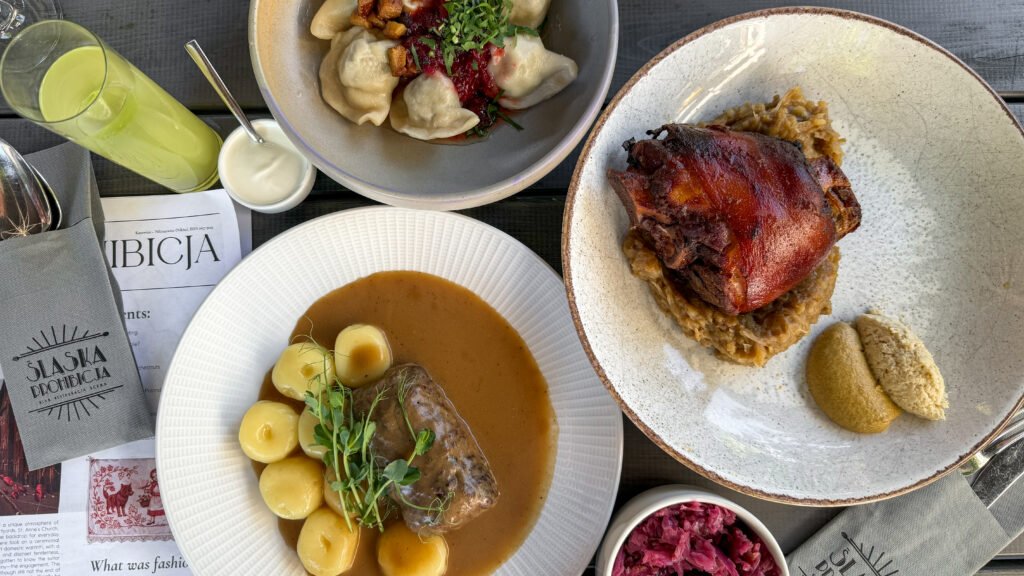
One of my favourite places to eat in Katowice is Śląska Prohibicja, located in Nikiszowiec. Its interior draws inspiration from the Prohibition era, and you can even sit outside in the courtyard and surround yourself with the beautiful architecture of the red-brick building. The restaurant is in the Michelin Guide, so it’s slightly more expensive than similar restaurants in the city, but the high-quality ingredients are worth paying more for, in my opinion.
The menu takes traditional Silesian recipes into the modern age, with creative twists and seasonal flavours. Some dishes that I’d recommend trying are the beef roulade, pork knuckle, and Silesian dumplings. They also have pierogi, which is never a bad choice. Śląska Prohibicja is a fantastic restaurant in Katowice for an elevated, traditional Silesian meal, and it’s one that I’d love to go back to again.
Żurownia
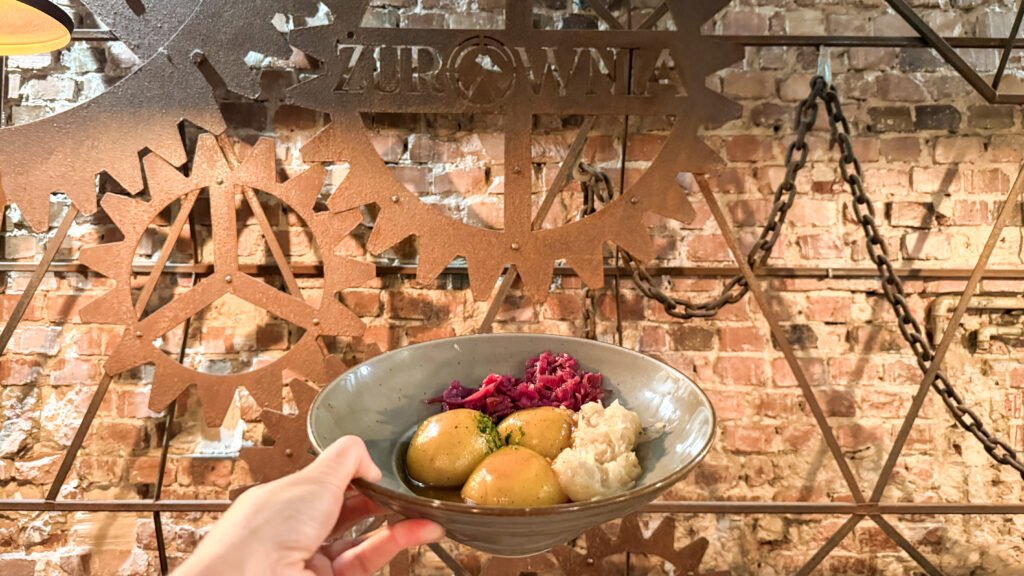
If you want traditional Polish food in a more central location, Żurownia is a popular choice among locals and visitors. This is more of a casual Silesian restaurant, named after the traditional sour rye soup called żur, which is associated with Polish and Silesian cooking. The informal atmosphere inside makes you feel like you’re dining at grandma’s house, and the Silesian language is incorporated into the menu, which is nice to see. Luckily, they have an English menu ready for visitors, too.
Their most popular dish is żur, and you can add things like egg and sausage to it. They also have dishes such as Silesian dumplings and regional favourites with a street-food twist. Żurownia is an affordable place to eat in Katowice, and it’s very common to find a queue here at any time of the day, but the wait is worth it.
Tandyr House Piekarnia Gruzińska
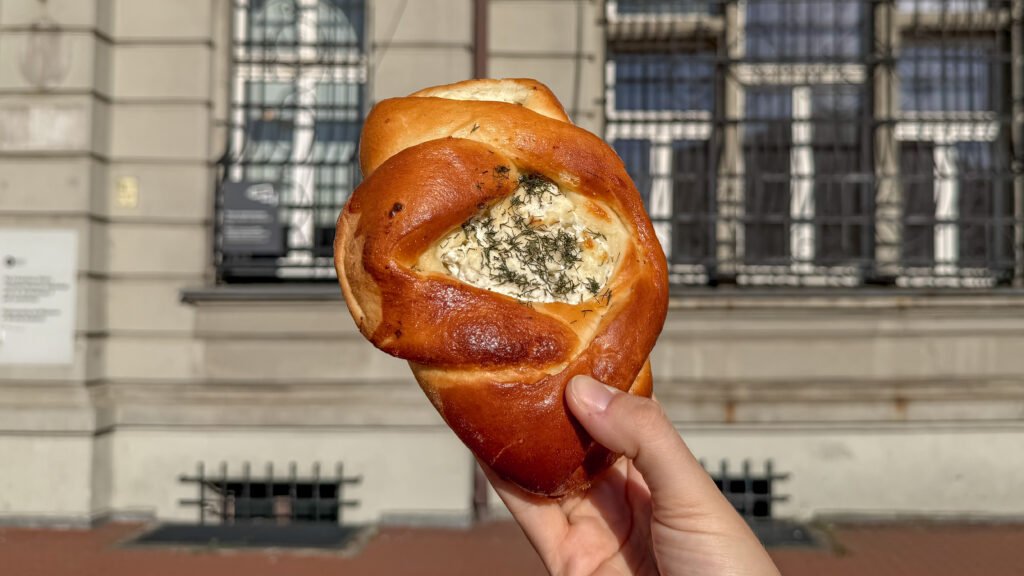
For something quick and on the go, bakeries are a nice option. Tandyr House Piekarnia Gruzińska is a Georgian bakery located in the heart of the city centre, close to the central railway station. The counter is filled with freshly baked Georgian pastries and breads, including khachapuri with different fillings. The portions are big, so getting just one item to take away will probably be enough to fill you for a couple of hours. While this isn’t a Polish bakery, it’s still very good, and we enjoyed what we ordered here.
Where to stay in Katowice
Mercure Katowice Centrum
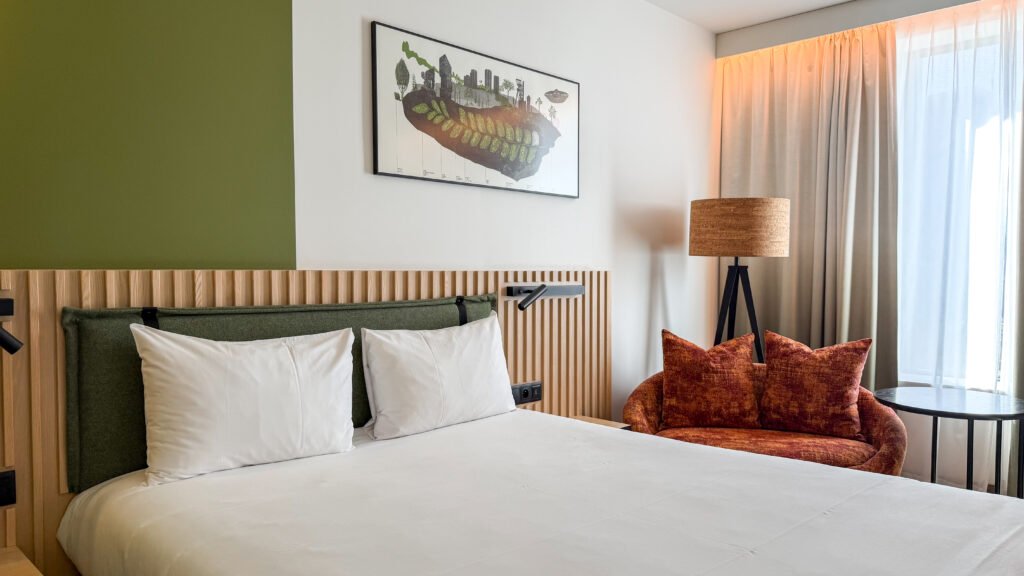
When spending a weekend in Katowice, it’s a good idea to stay close to the main attractions. Mercure Katowice Centrum is ideal, situated across the road from the central train and bus station. Market Square is only 5 minutes away on foot, and plenty of other top things to do in Katowice are nearby. We found the hotel to be the perfect base to explore the city from.
There’s an enormous living wall covering part of the hotel’s exterior, and sustainability is central to the hotel’s design, with solar panels and upcycled materials used throughout it. We stayed in the Classic room, which includes a comfortable queen bed, a desk, coffee facilities, and a private modern bathroom. I loved the addition of the artwork that tied into the history of Katowice, too.
If you like to work out while travelling, Mercure Katowice Centrum has an incredible gym on the top floor, where you can look out across the city while using the machines and weights. Downstairs, the bar provides a chilled place to enjoy a drink after exploring all the things to do in Katowice, and a spacious reception area has plenty of comfortable seating where you can work or relax.
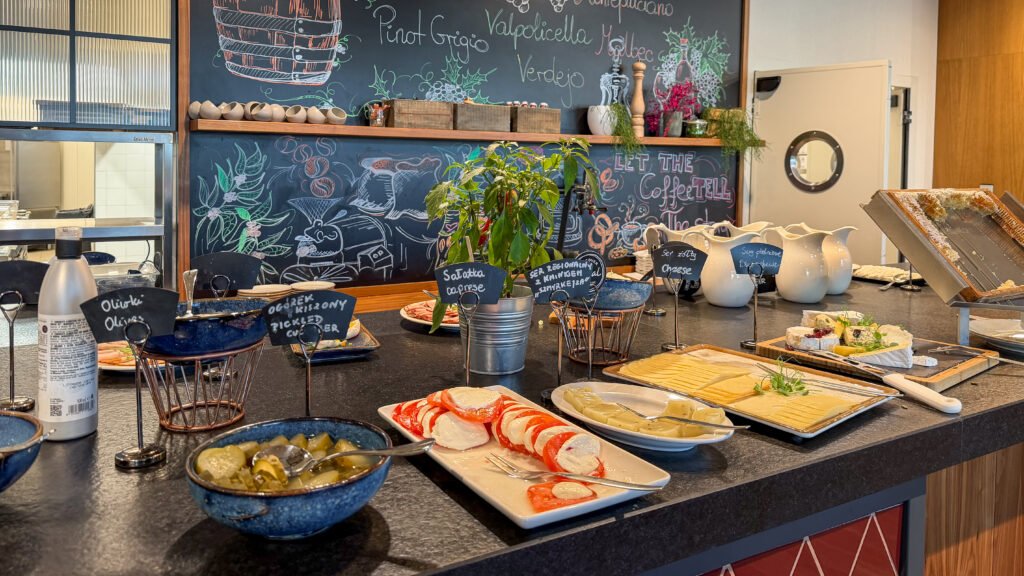
There’s a generous buffet breakfast available at Mercure Katowice Centrum, and I would recommend adding it to your booking. The selection includes breads, pastries, cold meats, cheeses, and hot breakfast dishes – just to name a few things. Everything was beautifully presented, and the staff is always restocking everything and clearing away empty dishes. Having breakfast at the hotel is very convenient and allows you to focus on a full day of sightseeing.
We loved our stay at Mercure Katowice Centrum due to its location, modern rooms, and cleanliness. They even have e-bikes available to rent to help you explore the city quicker and more efficiently.
Is Katowice worth visiting for a weekend?
Anyone who enjoys distinctive architecture, industrial heritage, and destinations that are generally overlooked by international tourists should add Katowice to their travel plans. There are a lot of interesting things to do in Katowice during a weekend getaway, and two days give you plenty of time to walk around the city centre, explore historic Nikiszowiec, and try traditional Silesian food. With good public transportation links and attractions that are within walking distance of one another, Katowice works well as both a standalone trip and a base to explore Upper Silesia.
If you have any questions about things to do in Katowice or where to eat in Katowice, please don’t hesitate to reach out. You can get in touch via email or through the contact page on my website. Don’t forget to follow my travels on Instagram and TikTok, where you’ll find more travel tips that will help you plan your next big adventure.
This post may contain affiliate links, which means I may earn a commission from the discount codes used or when a link/ad is clicked. All purchases made will come at no extra cost to you, and I only include products and services that I would personally recommend.
Pin this blog post for later!