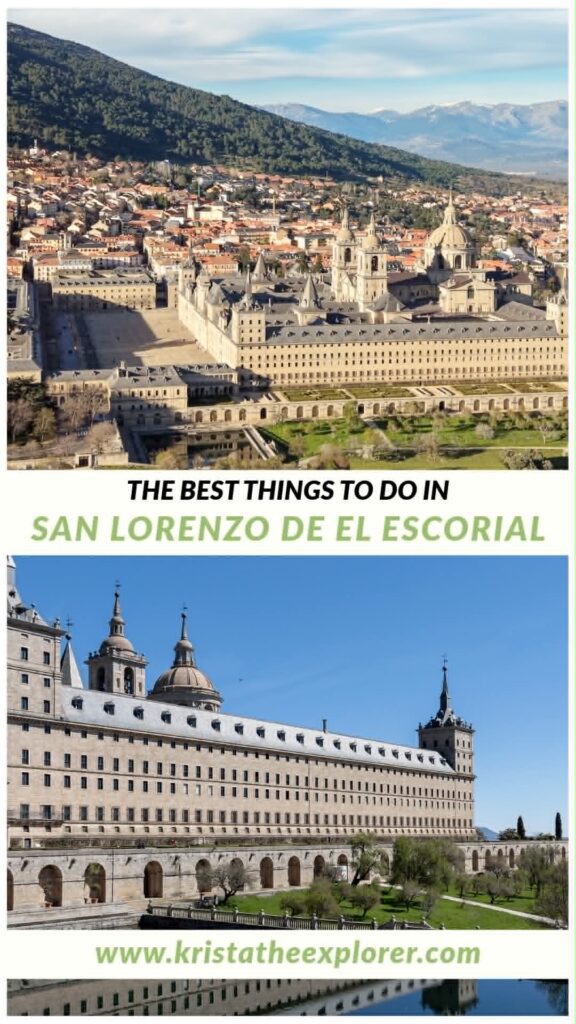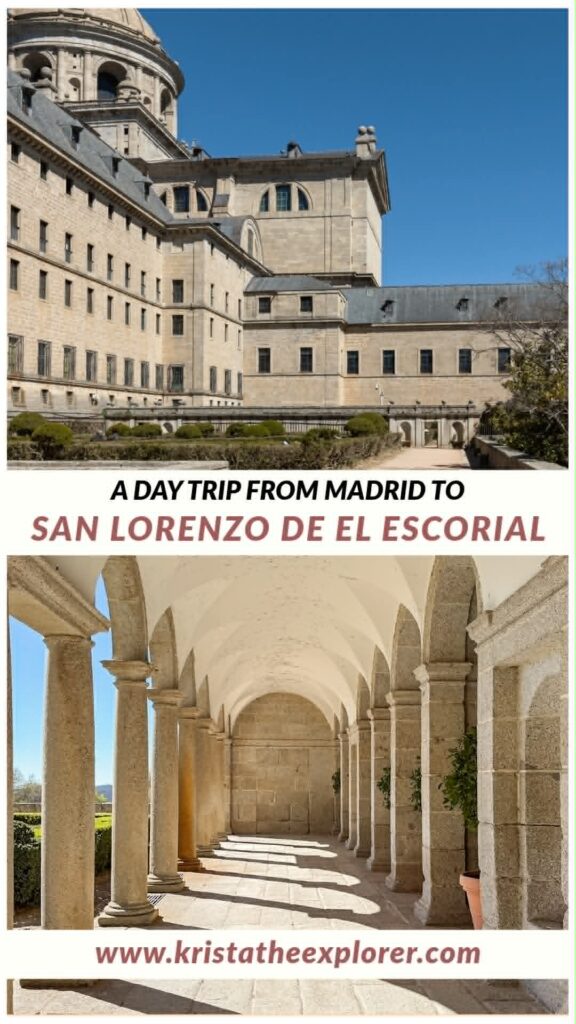
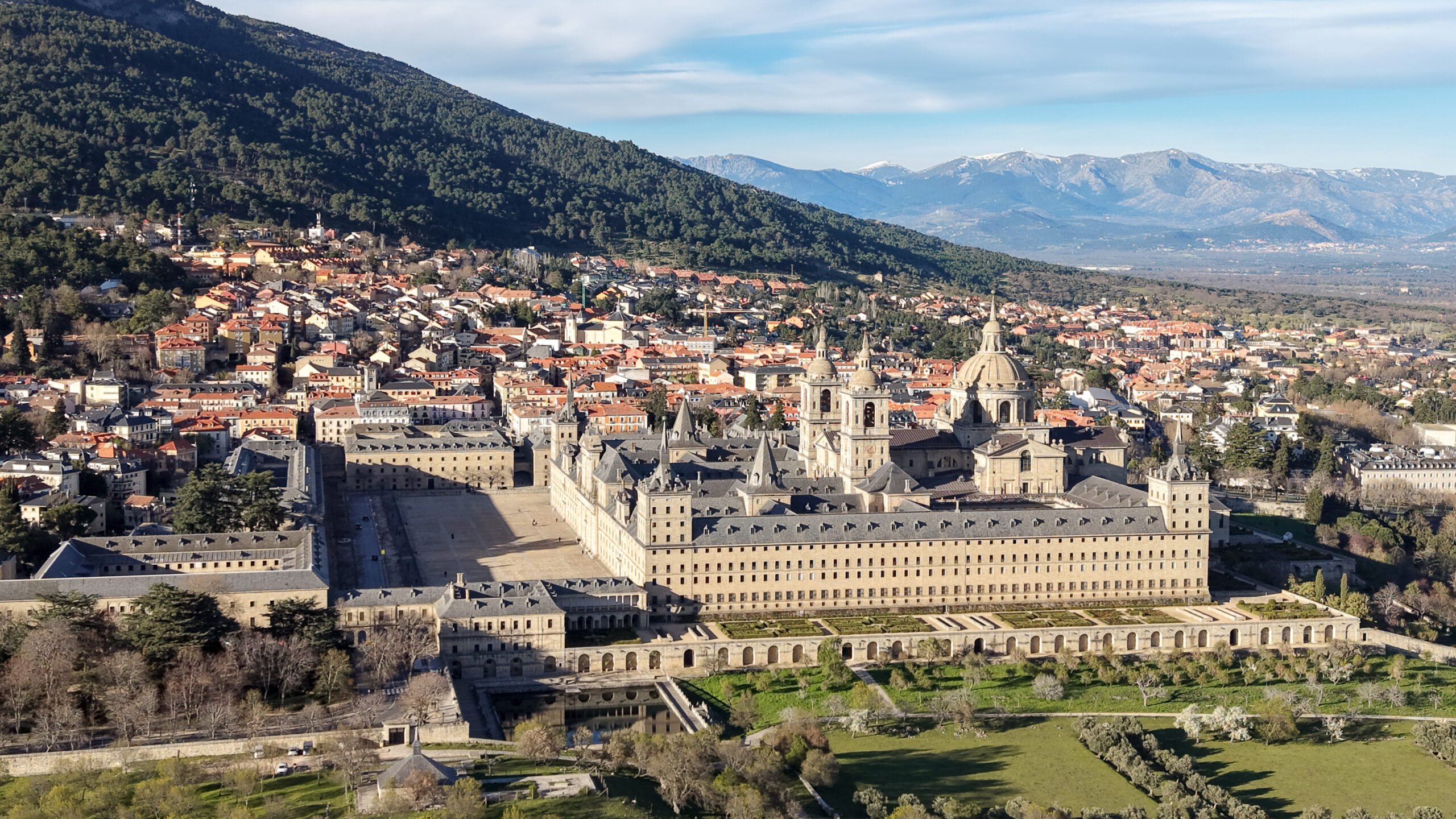
San Lorenzo de El Escorial is one of the most historically significant towns in Spain. It sits just 50 km from Madrid, at the foot of the Sierra de Guadarrama, with its monastery being the biggest highlight. The monastery was commissioned by King Philip II in the 16th century as a royal palace, basilica, monastery, library, and final resting place for monarchs. Today, it’s a UNESCO World Heritage Site that’s considered one of the finest examples of Renaissance architecture on the continent. But beyond its famous landmark, San Lorenzo de El Escorial boasts stunning narrow streets, unique historic buildings, picturesque gardens, and an incredible mountain backdrop.
One of the best day trips from Madrid is San Lorenzo de El Escorial. It’s easy to access by train or bus, and it doesn’t take long to get there by car, either. It becomes a bustling town in the summer months, so visiting in the off-season allows you to enjoy its attractions with fewer crowds. The cooler months also make it more enjoyable to visit the nearby hiking trails, where you can appreciate the town and the surrounding mountains. Whatever time of the year you decide to visit San Lorenzo de El Escorial, you’ll instantly fall for its historic charm.
How far is San Lorenzo de El Escorial from Madrid?
Being only 50 km away from the Spanish capital means San Lorenzo de El Escorial is one of the most convenient day trips from Madrid. The journey takes around 45 minutes by car and a bit longer via train or bus. If you’re basing yourself in Madrid, El Escorial’s proximity means you can easily spend a full day there before returning to the capital in the evening.
If you’re planning to drive to El Escorial, there are plenty of parking options available. There are paid parking spots directly across from the monastery, and nearby residential streets offer free parking, though you need to get lucky to find a spot.
Best things to do in San Lorenzo de El Escorial
Real Monasterio de San Lorenzo de El Escorial
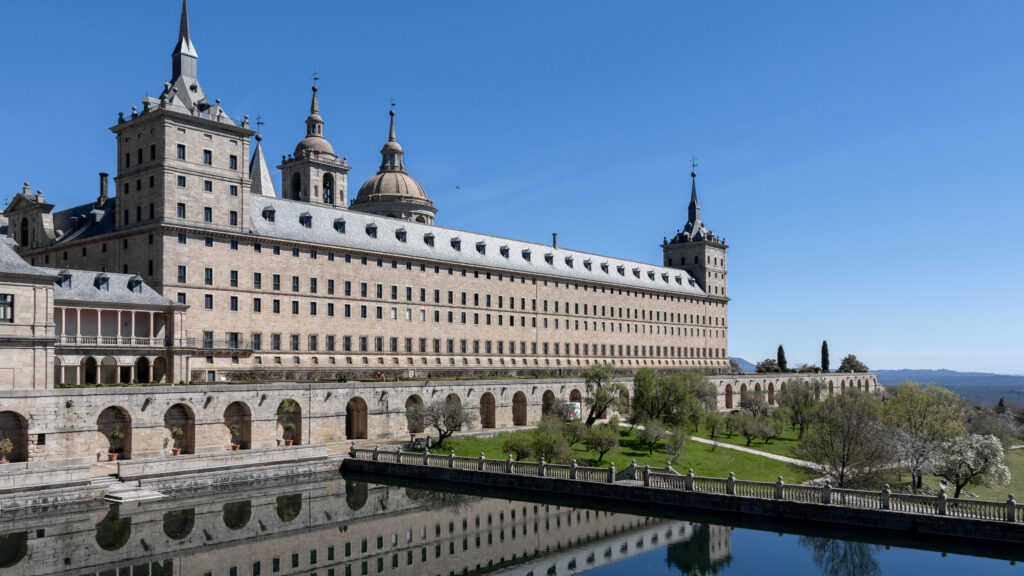
The main reason that most people visit El Escorial is to see the Real Monasterio de San Lorenzo de El Escorial. This is one of the most important historic landmarks in Spain, sitting on the edge of the historic centre. It dates back to the 16th century when it was built to commemorate Spain’s victory at the Battle of Saint Quentin. The Renaissance complex is enormous, so expect to spend at least 3 hours exploring its different sections and gardens. All the attractions inside the monastery can be visited with a single ticket for €14 (through the official website), which I’d recommend buying online, but you can purchase tickets from the office across the street, too.
Visitors can expect to see ornately decorated royal apartments, a breathtaking basilica, one of the most impressive libraries in Europe, and a unique royal crypt – just to name a few things. Whether you’re interested in architecture, history, or art, the monastery is a big highlight of any trip to San Lorenzo de El Escorial.
To make the most of your time at the monastery, arrive when it first opens so you can experience some of it without the crowds. Alternatively, you can join a guided tour of the monastery to learn more about its history and to ensure you don’t miss the main highlights inside.
Patio de los Reyes
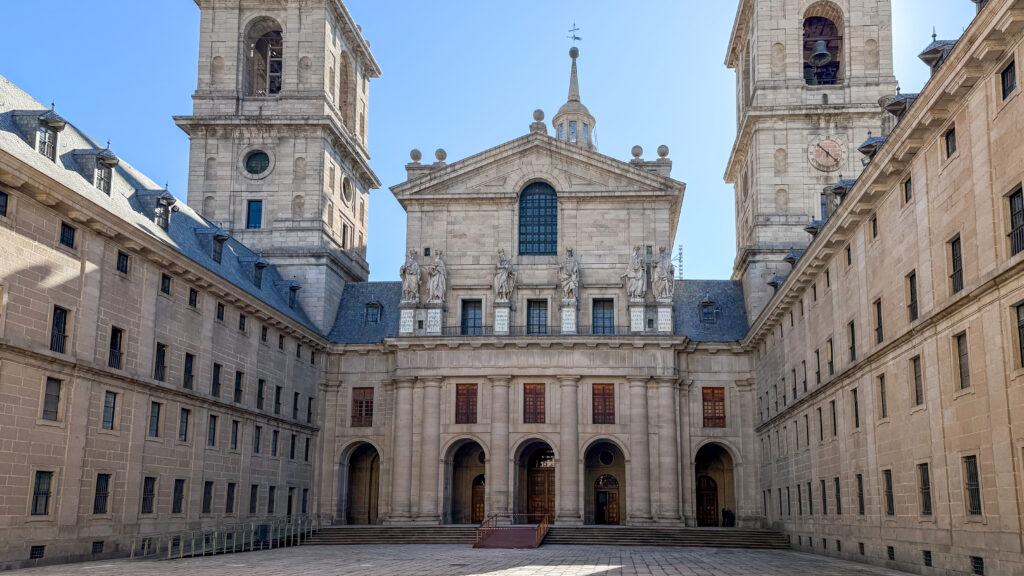
The main entrance space leading to the monastery is called the Patio de los Reyes, or the Courtyard of the Kings. It’s positioned in front of the basilica, so you’ll pass through it before entering the main building. The name of the courtyard comes from the six statues of the Kings of Judah above the entrance, which symbolize the connection between the Spanish monarchy and the Old Testament. If you want a photo here without too many people in it, you might want to make this your first stop, as it can get very busy when the tours start.
Basilica de El Escorial
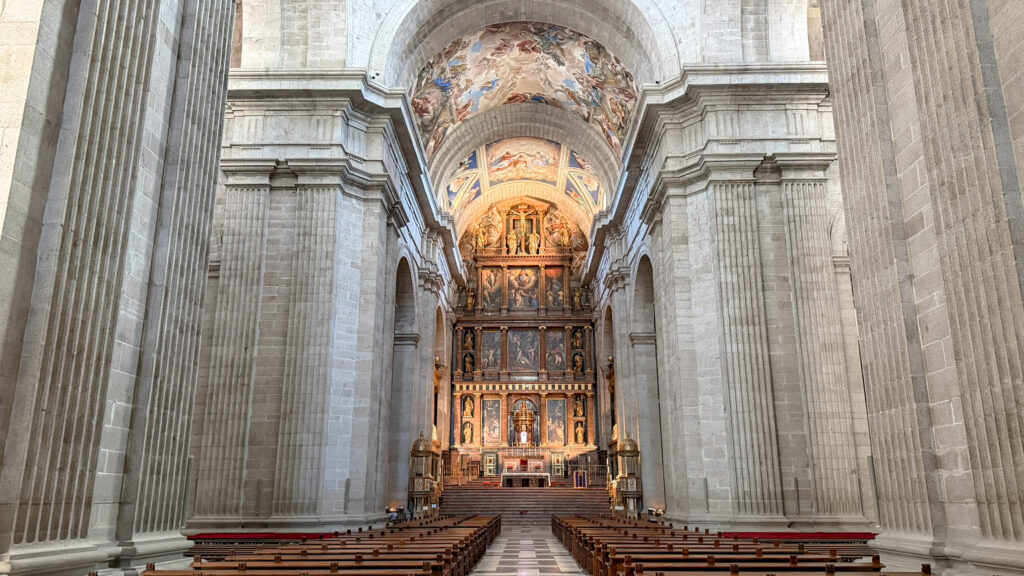
At the very heart of the monastery lies the Basilica de El Escorial, known for being one of the most impressive Renaissance churches in the country. The basilica’s entrance is at the far side of the Patio de los Reyes, and it forms the spiritual centre of the complex. It was designed to reflect the power of both the Catholic Church and the Spanish monarchy in the 16th century, so you can imagine how impressive and elegant it is. St Peter’s Basilica even inspired the dome.
As you walk around the basilica, make sure you stop to admire the high altar, which is decorated with colourful marble, bronze sculptures, and religious artwork. Even if you’re not interested in religious history, the basilica is well worth visiting as it’s one of the most memorable spaces in San Lorenzo de El Escorial.
Real Biblioteca de El Escorial
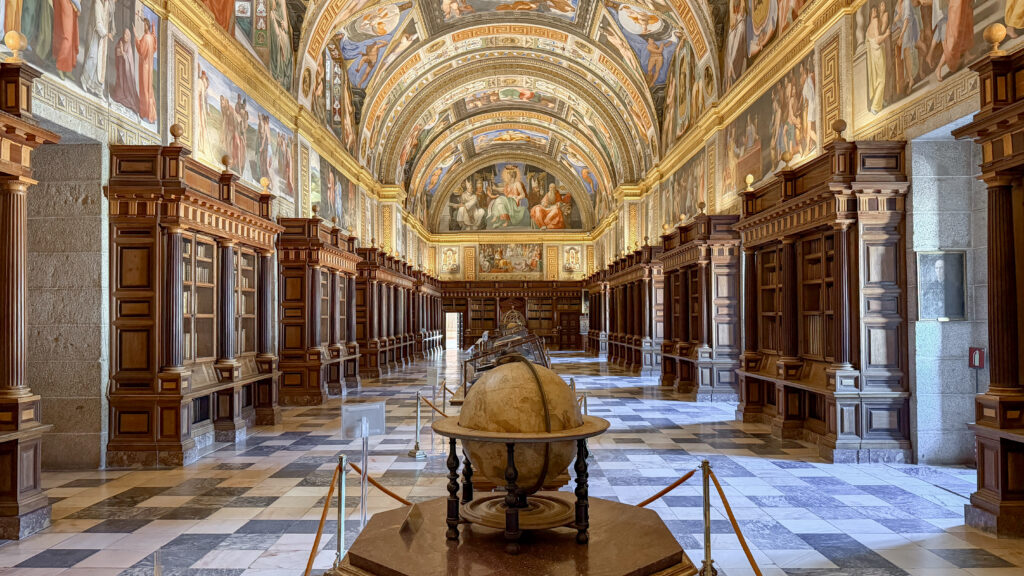
The Real Biblioteca de El Escorial (Royal Library) is my favourite room inside the monastery. It’s the first stop along the main visitor route, and if you arrive when the monastery opens, you’ll have it all to yourself for a few moments. The library was created by Phillip II to house one of the greatest collections of manuscripts and books in Europe. Phillip II was always adding to his collection with works from across Europe, as well as the Middle East and Africa.
The design of the room is just as impressive as the collection. Take some time to walk around the library before heading to the next room along the route, because there are a lot of Renaissance frescoes to admire across the vaulted ceiling.
Palacio Real
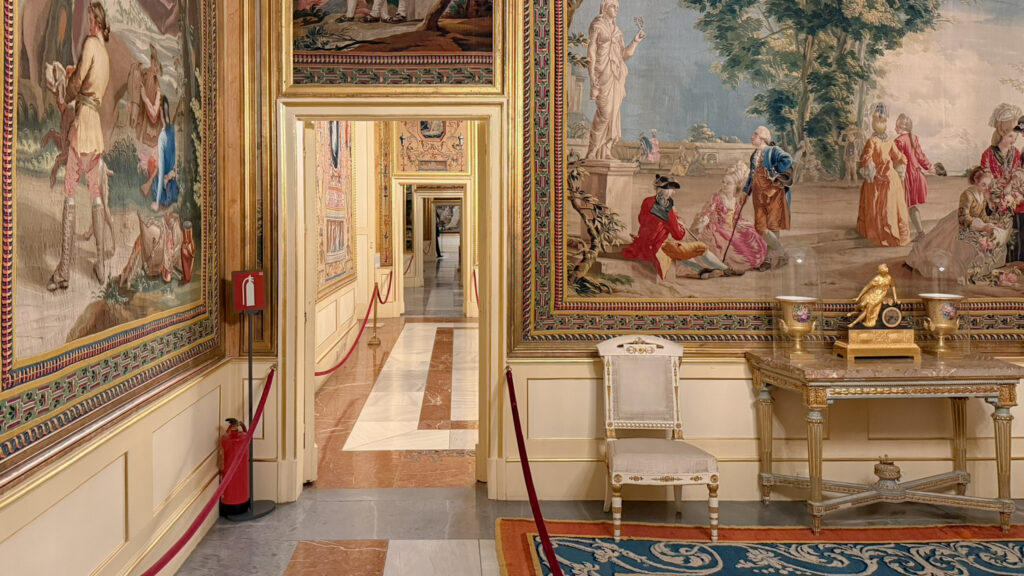
Inside the monastery complex is the Palacio Real (Royal Palace). This is where the Spanish monarchs lived while staying in San Lorenzo de El Escorial. The rooms of the palace are somewhat less elaborate than other royal residences in Europe, but they’re still very interesting to explore. Phillip II’s private rooms, for example, are a reflection of his personal taste for functionality and modesty rather than extravagance. All of the rooms offer unique insight into the daily lives of the Habsburg rulers.
Panteon de los Reyes
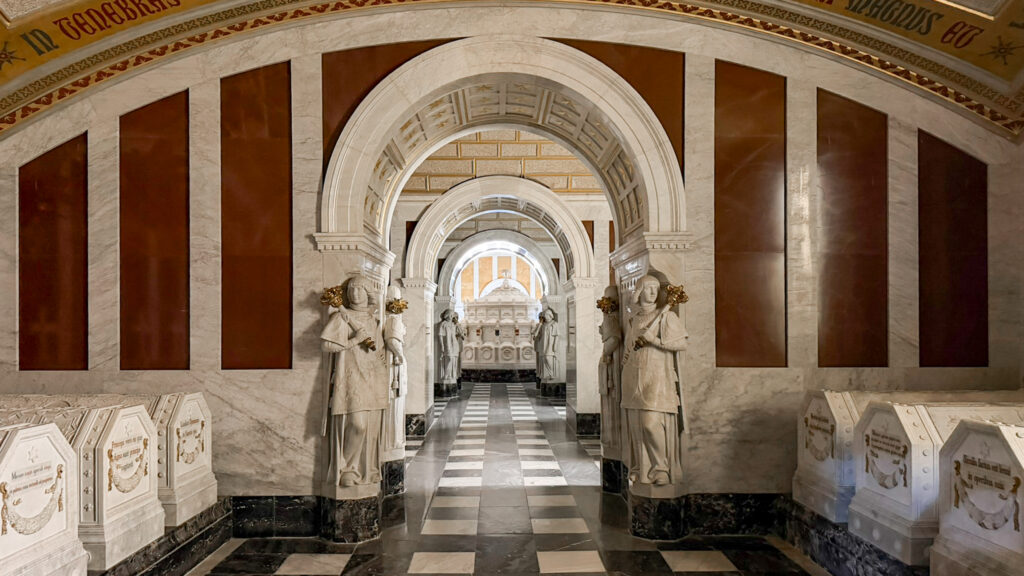
After visiting the basilica, don’t forget to head downstairs to the Panteon de los Reyes. The Pantheon is very impressive. There are two parts of the Pantheon to see: the Royal Pantheon and the Pantheon of the Princes. The Royal Pantheon is an incredible circular mausoleum where many of Spain’s kings and queens were laid to rest. It’s decorated in black marble and is very opulent compared to other parts of the monastery. No photos are allowed once you reach the stairs, though.
The Pantheon is one of Spain’s most significant royal burial sites. It’s the final resting place of almost every monarch since Charles I. Nearby, the Pantheon of the Princes is where royal children and other family members were interred. Many people miss the Pantheon while visiting San Lorenzo de El Escorial, but it’s certainly worth visiting these chambers during a day trip from Madrid.
Jardines del Monasterio de El Escorial
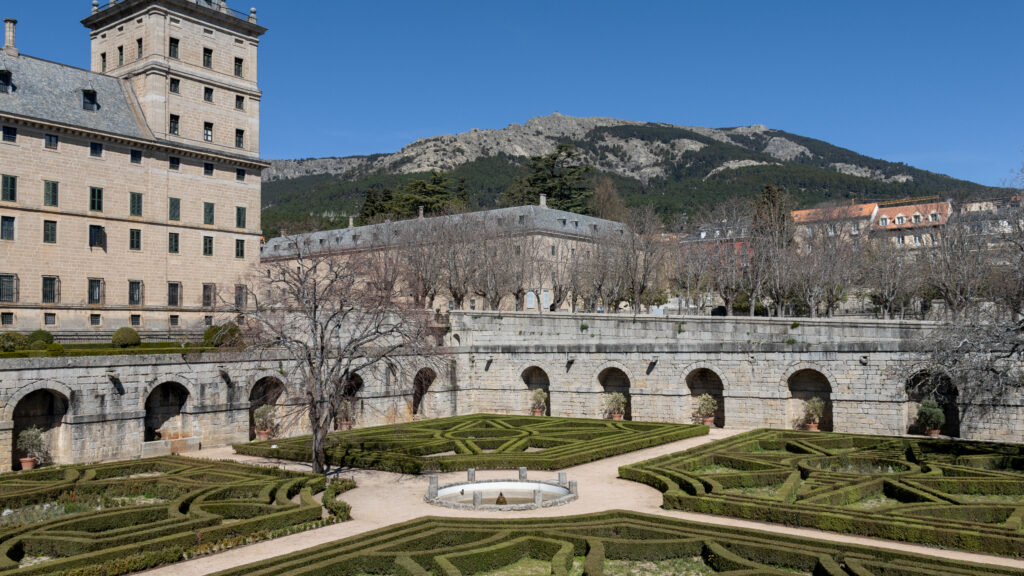
Once you’ve fully explored the interior of the monastery, it’s time to spend some time wandering around its beautiful gardens. The complex is surrounded by three historic gardens: Los Jardines del Fraile (Friars’ Garden), Los Jardines del Rey (King’s Garden), and Los Jardines de la Reina (Queen’s Garden). Each of these spaces provides a peaceful retreat while complementing the monastery’s Renaissance layout.
Among the most photographed spots in San Lorenzo de El Escorial are the King’s and Queen’s Gardens. They feature charming fountains, picturesque arches, and colourful flower beds that stand out against the monastery. The Friars’ Garden is located behind the monastery. From here, you can admire the sweeping countryside and mountain views.
These gardens are among the top free things to do in San Lorenzo de El Escorial during a day trip from Madrid. Even if you don’t plan to visit the monastery, you can still access the gardens during opening hours.
Monumento de Felipe II
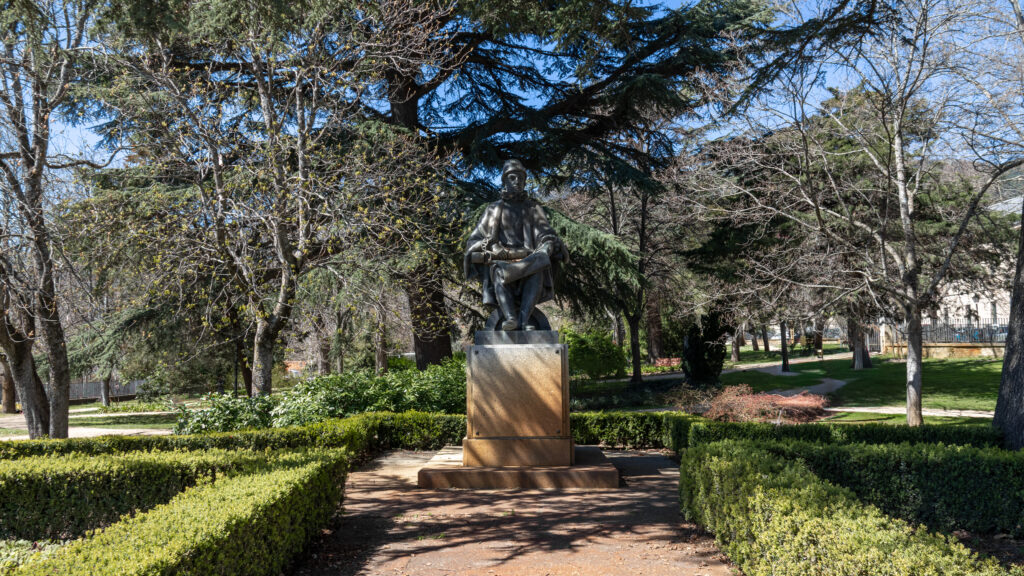
Located across the road from the monastery is the Monumento de Felipe II. This overlooked attraction in San Lorenzo de El Escorial is a tribute to the Spanish king who shaped the monastery into what it is today. He also transformed the quiet mountain town into one of the most important royal sites in Spain, and this statue stands as a reminder of that. Its location makes it easy to add to your itinerary as you make your way through the historic centre of El Escorial.
Casita del Infante
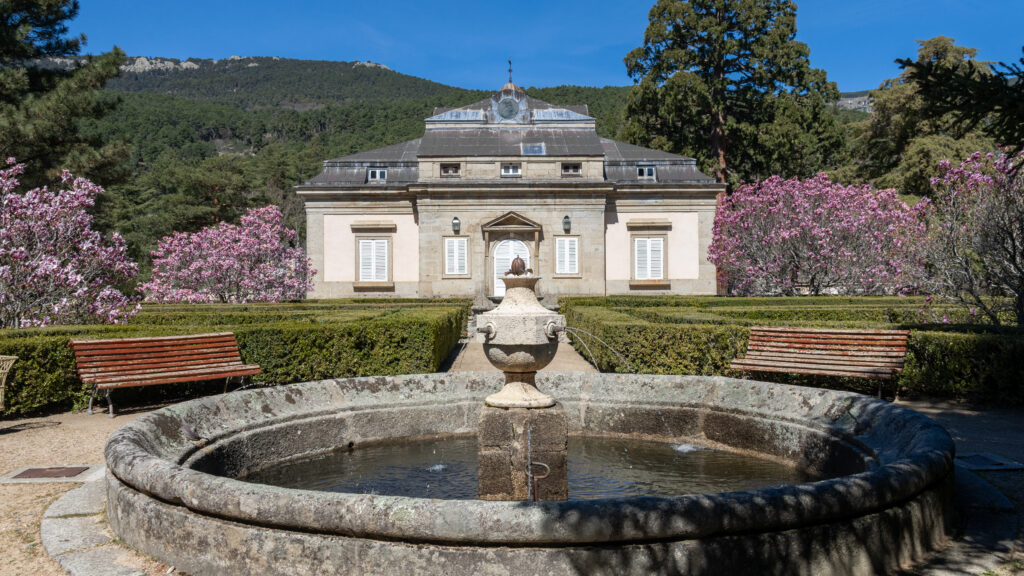
There are plenty of historic attractions to see in San Lorenzo de El Escorial during a day trip from Madrid, besides the monastery. Casita del Infante sits just a 20-minute walk from the monastery. It’s a lovely neoclassical palace surrounded by beautiful views and landscaped gardens. This small royal retreat was built in the 18th century for the son of King Charles III, and it was designed as a private residence for the royal family to relax away from court.
If you’re planning a day trip to San Lorenzo de El Escorial from Madrid, Casita del Infante is only open on certain days, so it’s a good idea to check the times online. When I visited, it was only supposed to be open on Sundays, but the gates were open when I arrived on Saturday, so you never know!
Casita del Infante is another fantastic free attraction in El Escorial to take advantage of, especially if you want to escape the crowds at the monastery.
Explore the historic town on foot
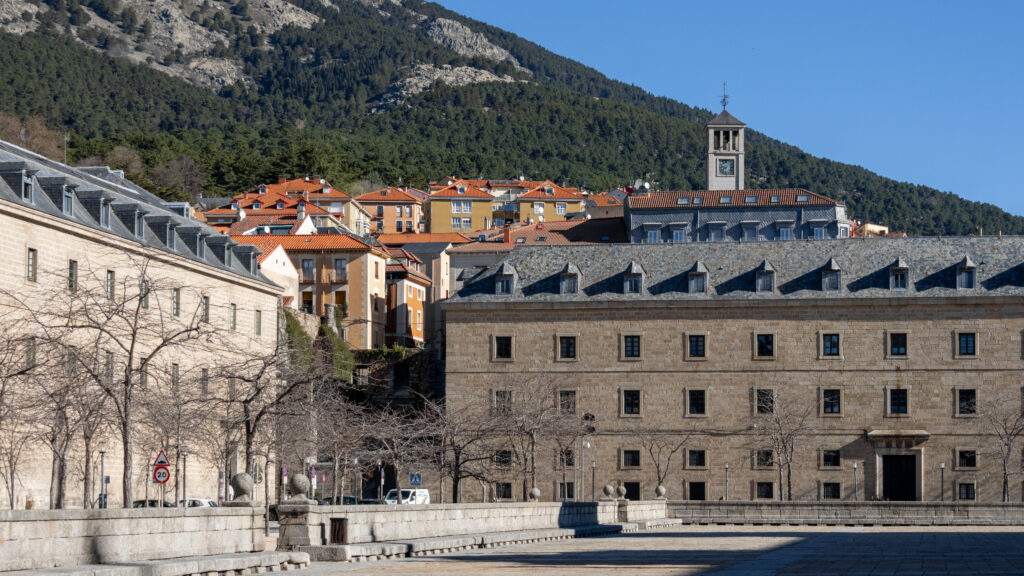
One of the best things to do in San Lorenzo de El Escorial is to explore the historic centre on foot. The town still retains much of its 18th-century charm, with traditional squares, narrow streets, and stone buildings making it very attractive to walk around. The town developed around the monastery, so it’s very compact, making it easy to see its main highlights during a day trip from Madrid. Places such as Plaza de la Contitucion, Real Coliseo de Carlos III, and Plaza de San Lorenzo shouldn’t be missed.
Try bizcotelas
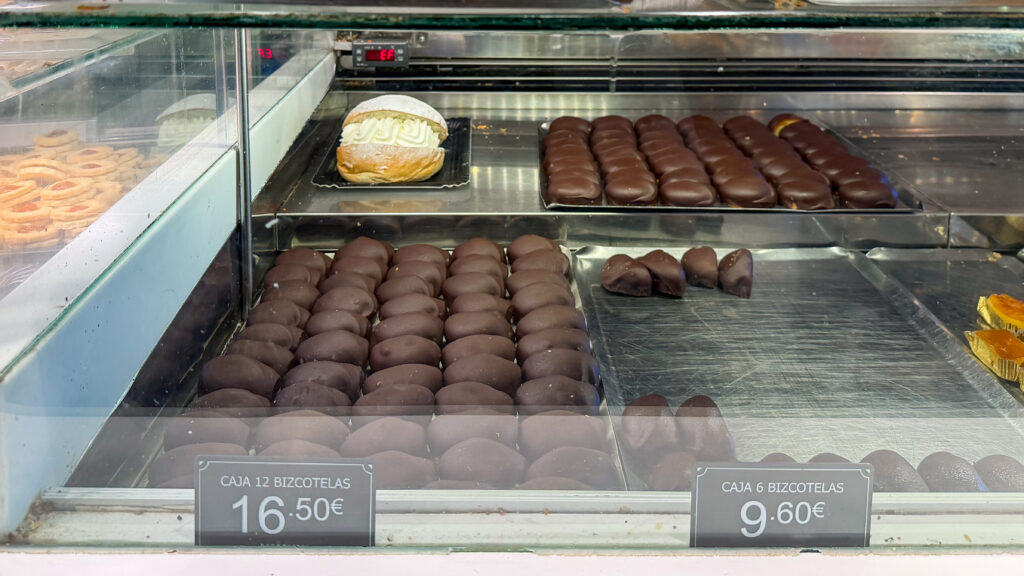
Bizcotelas go hand-in-hand with a day trip to San Lorenzo de El Escorial. These traditional sweet treats were first made in 1747, with a soft sponge, cream or egg yolk, and chocolate on top. They’re often enjoyed with coffee, but they can also be a great souvenir for visitors who want to take a taste of El Escorial home with them. I’d recommend ordering bizcotelas from one of the traditional bakeries or pastry shops near Plaza de la Constitucion or the streets around the monastery. Paco Pastel comes highly recommended as they prepare them fresh daily.
Casita del Principe
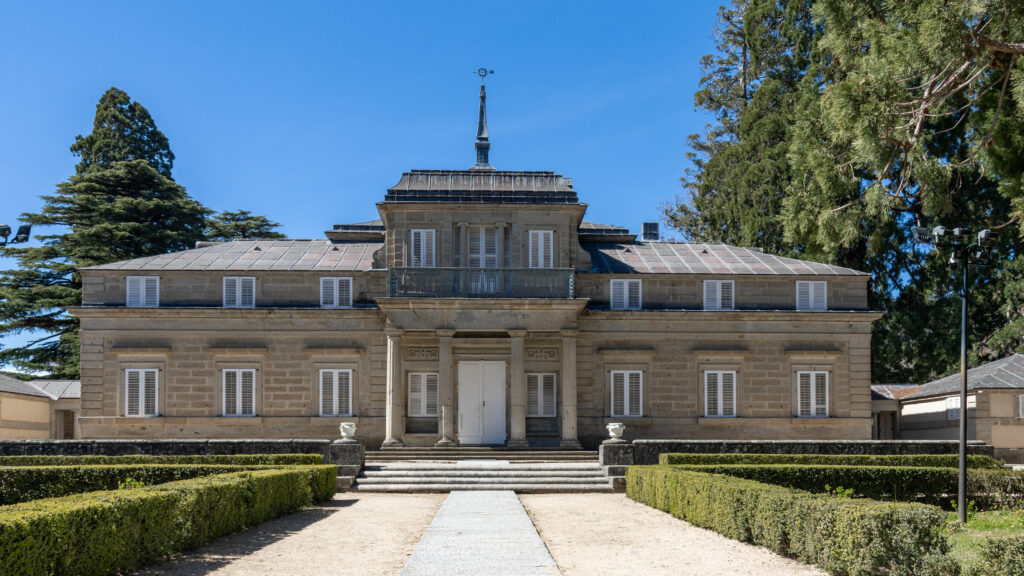
The Prince’s House, or Casita del Principe, is another beautiful royal residence not to be missed. It’s located a short walk from the monastery, surrounded by a large park and impressive gardens. It was built in the 18th century for King Charles IV, and designed by the same architect behind Casita del Infante. The palace was intended to be a private escape for the royal family to enjoy leisure and nature, with beautiful formal gardens surrounding it in the French style.
Casita del Principe is only open to the public on Saturdays, but the gardens may be accessible on other days of the week. When I visited on a Friday, the gates were open so I could stroll around the gardens and admire the palace from the outside. There’s a small cafe next to the palace as well as free public toilets.
Silla de Felipe II
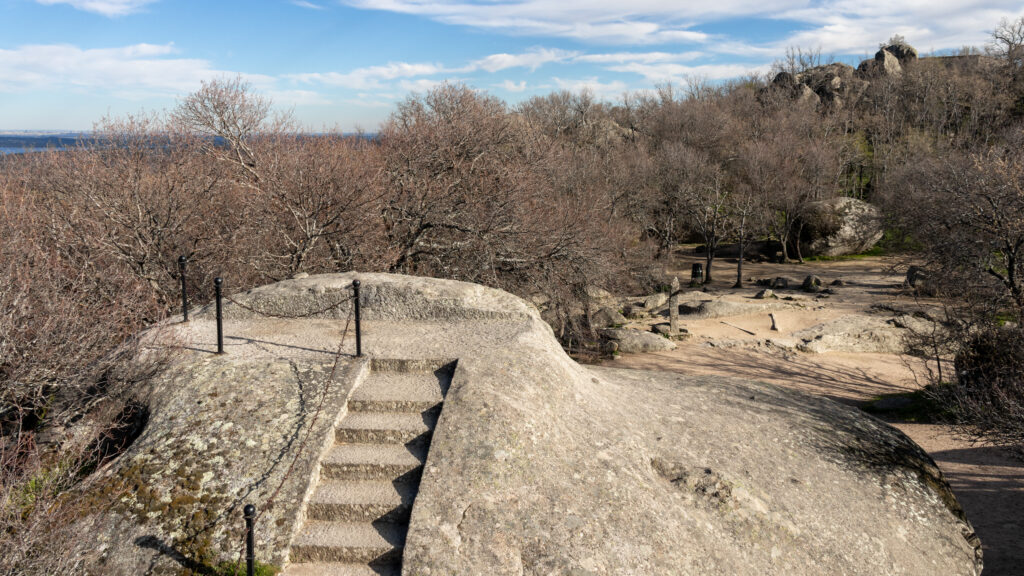
If you have some spare time during your day trip to San Lorenzo de El Escorial from Madrid, I’d recommend admiring the view of the town from the Silla de Felipe II. This is the most popular viewpoint in El Escorial. The granite outcrop is carved to resemble a seat, which many people linked to Phillip II as the place where he watched the monastery being built from. Historians believe, however, that it’s most likely an ancient altar or place of worship that predates the monastery.
Today, the Silla de Felipe II is worth visiting for its panoramic views and its history. If you drive to the top, you’ll find a small parking area right in front of it. Alternatively, hiking to it takes approximately 45 minutes from the centre of town, though you may not have enough time to do this during a day trip. I’d recommend visiting near sunset when the lighting hits the monastery just right.
Valle de Cuelgamuros
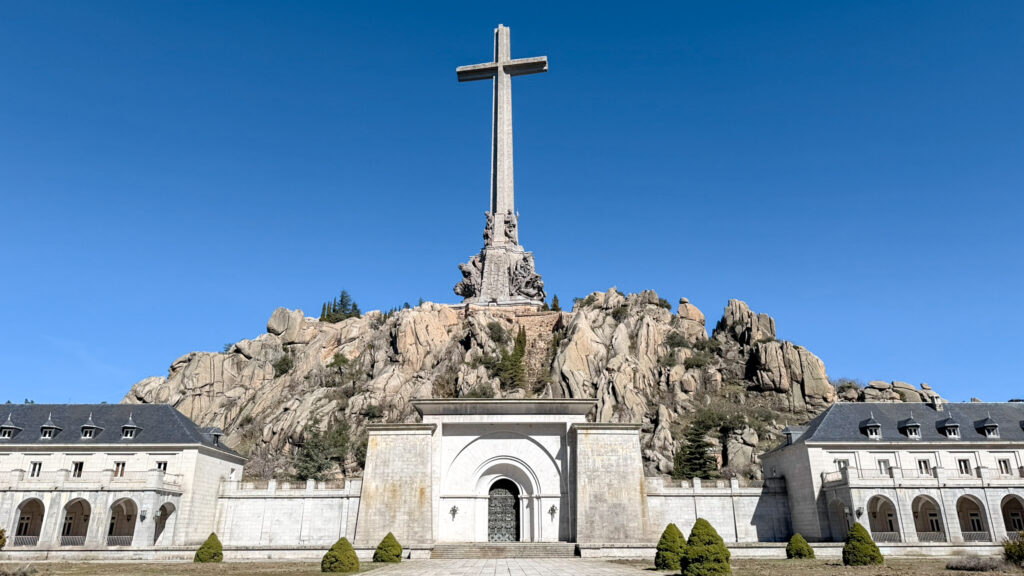
Another popular day trip from Madrid is the Valle de Cuelgamuros. This enormous memorial complex sits 15 km from El Escorial, within the forests of the Sierra de Guadarrama. It was formerly known as the Valley of the Fallen and was commissioned by Francisco Franco after the Spanish Civil War. The memorial was built over 18 years, between 1940 and 1958. Much of the work was carried out by political prisoners, many of whom died here due to poor working conditions and extreme heat.
At the centre of the monument is one of the tallest stone crosses in the world, alongside an interesting basilica carved into the mountainside. Today, the monument stands as one of the most debated historical sites in Spain, serving as a place of reflection and remembrance. Recently, there have been efforts to reinterpret the monument following the removal of Franco’s remains in 2019.
Valle de Cuelgamuros is a unique site in Spain to visit, and it’s well worth the 20-minute drive from San Lorenzo de El Escorial. Entry costs €9, but on Wednesdays and Sundays between 15:00 and 19:00, EU citizens and people from Ibero-American countries can access the site for free.
Places to eat in San Lorenzo de El Escorial
Ku4Tro
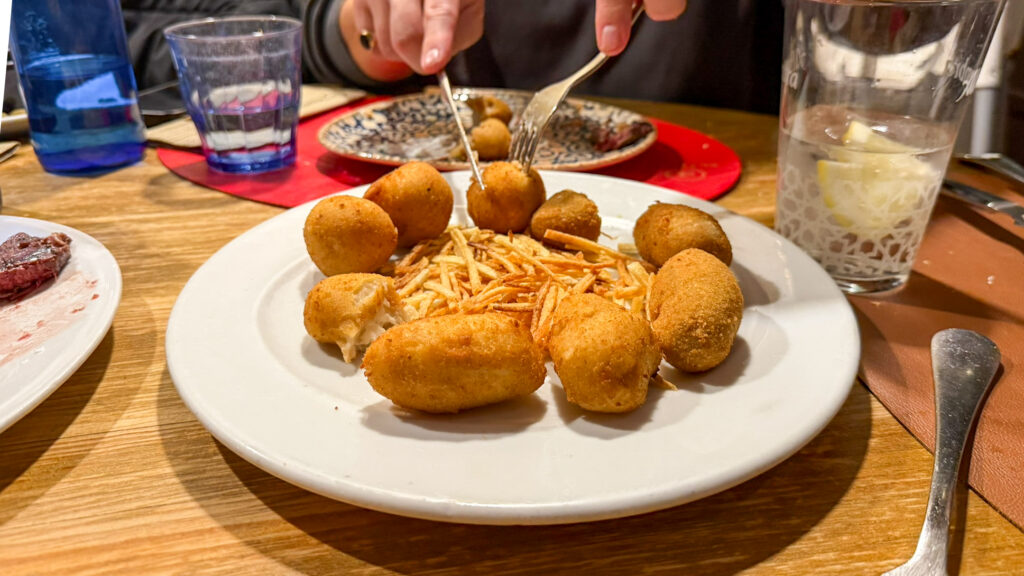
A modern fusion tapas bar in San Lorenzo de El Escorial that can’t be missed is Ku4Tro. It’s located next to Plaza de la Constitucion, less than 5 minutes from the monastery. The menu combines Spanish and Mediterranean cuisine, offering everything from croquettes to grilled octopus, meat dishes, and noodles. You’ll often find seasonal specials at Ku4tro, too, making it a great option for visitors wanting to experience local flavours.
This seemed to be one of the busier places to eat in El Escorial, so arrive early or book ahead to secure a table here, especially in the summertime.
TNT Smash Burger
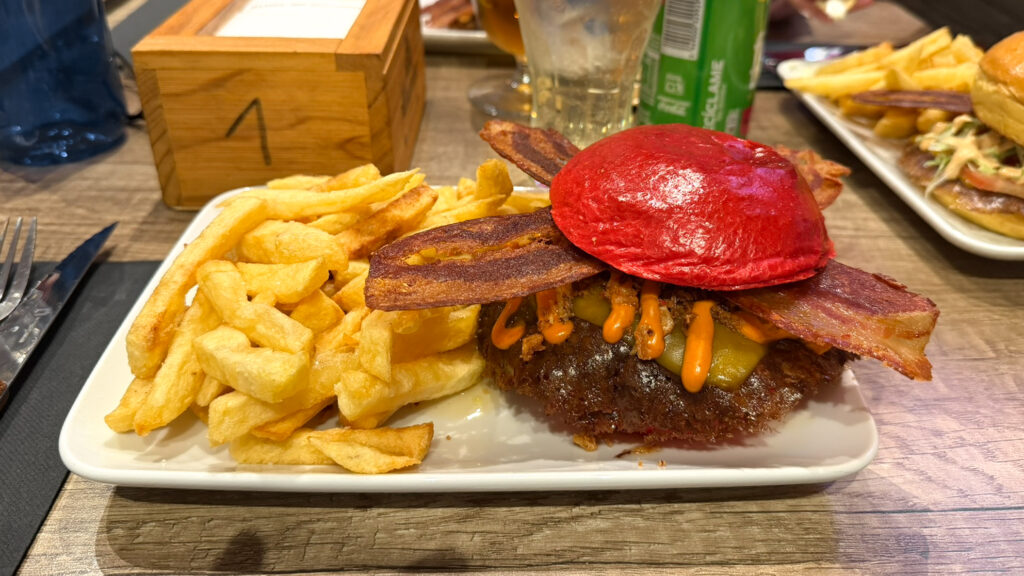
If you’re looking for something a little more casual, TNT Smash Burger is a fantastic option. This restaurant is also located in the historic centre, and they specialize in American-style smash burgers at affordable prices. You’ll find plenty of burger combinations on the menu, with high-quality toppings, as well as classic sides such as loaded fries. This is a popular place to eat in San Lorenzo de El Escorial among locals, and it’s ideal if you want a hearty meal without spending too much money (and time) away from the main attractions.
Ice Poke
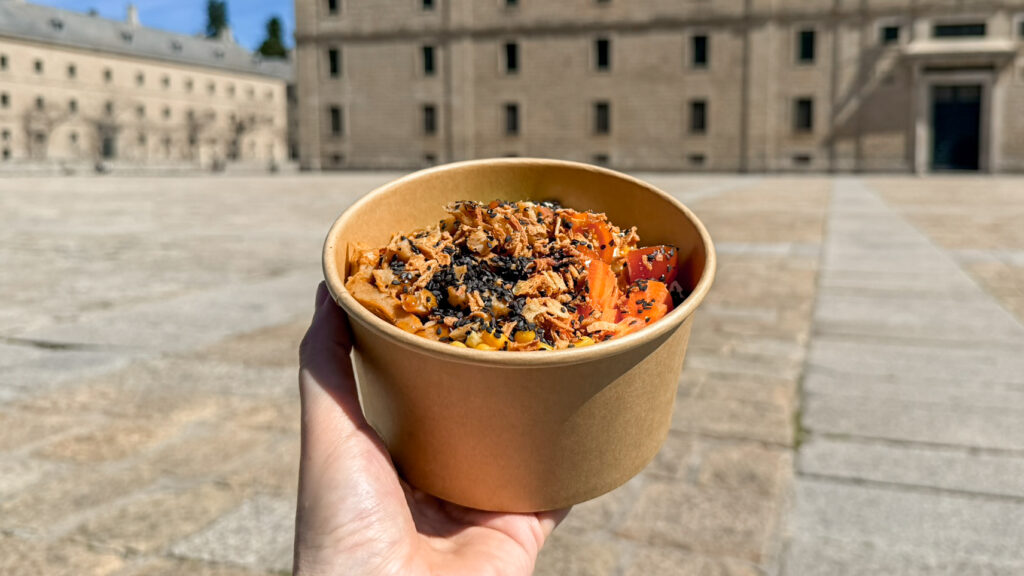
Ice Poke offers a lighter alternative to Spanish cuisine. They specialize in poke bowls, with vegetarian options available, as well as a few other dishes such as sushi. You can either build your own poke bowl or choose one from the menu, which is useful for people with dietary requirements. This is another food spot in San Lorenzo de El Escorial that’s located not far from the monastery. I took my poke bowl to go and ate it within the monastery’s outer courtyard so I could have a nice view for lunch.
Paco Pastel
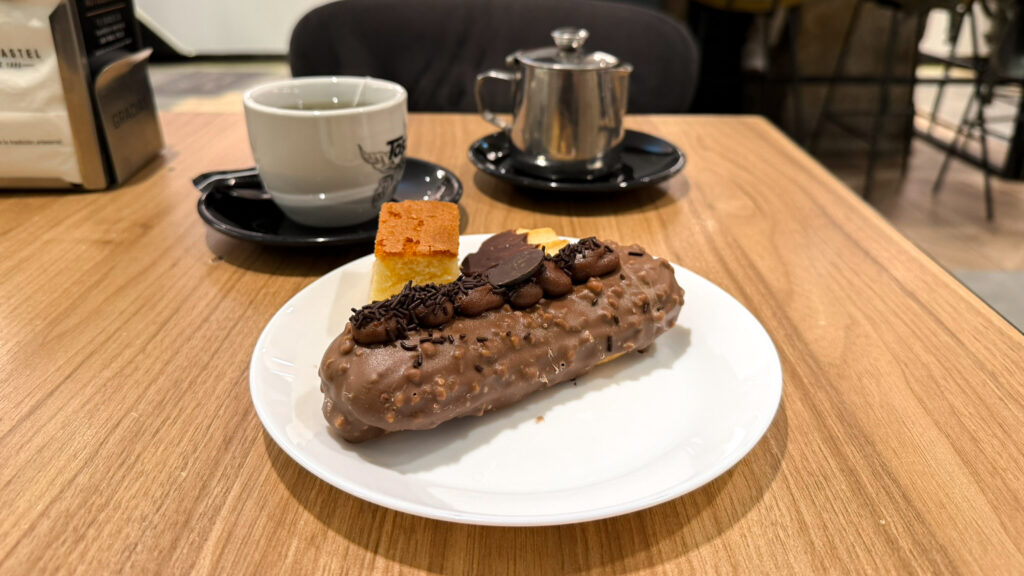
For a day trip to San Lorenzo de El Escorial from Madrid, a local bakery is the perfect place to try a variety of traditional pastries. Paco Pastel is located in Plaza de la Constitucion, and it’s one of the only cafes in town open late in the evening. I visited just before they were due to close, so they added some extra pastries to my plate to try, which was a nice surprise. It’s a great cafe to stop at during the day if you want a quick snack or a drink before continuing to explore the historic centre. This is also where I’d recommend trying bizcotelas from.
Where to stay in San Lorenzo de El Escorial
Dorma Victoria Palace
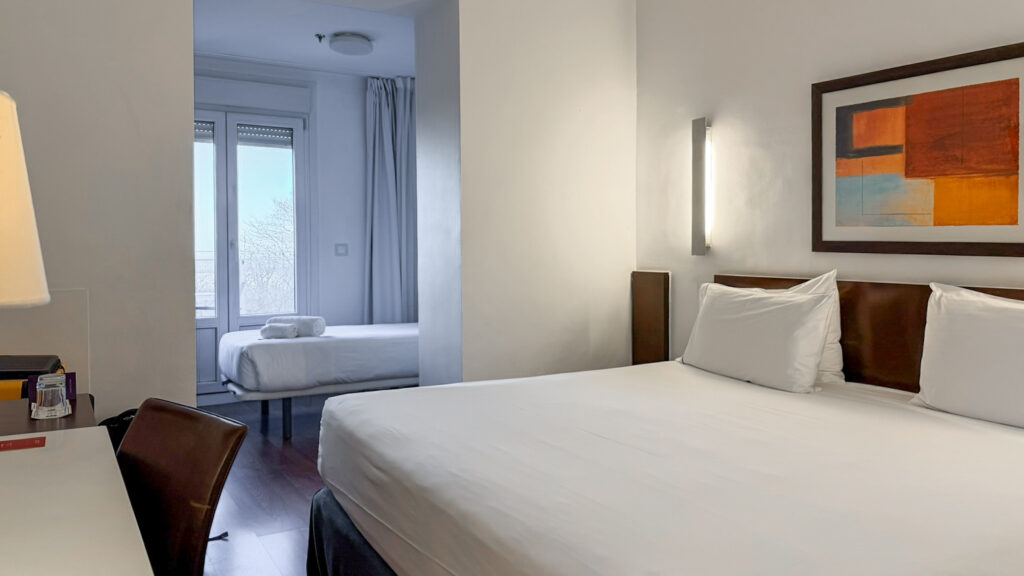
A day trip to San Lorenzo de El Escorial from Madrid may not be enough for you. If that’s the case, staying overnight will allow you to explore the town at a leisurely pace and potentially give you enough time to see attractions a short drive away, too. Dorma Victoria Palace is an excellent choice of hotel in El Escorial, located just a 5-minute walk from the monastery. It’s housed within an 18th-century royal palace and combines historic charm with modern comfort.
The bedrooms are very stylish and spacious, and some have beautiful views of the surrounding countryside from the balcony. The great thing about staying at Dorma Victoria Palace is that a buffet breakfast is included in the price, so you can start the day off on the right foot.
Is El Escorial worth visiting?
So, is San Lorenzo de El Escorial worth visiting for a day trip from Madrid? Yes. The town is best known for its impressive royal monastery, but beyond that are countless historic streets to explore as well as peaceful gardens, scenic viewpoints, and quieter royal residences. It’s the perfect town in Spain to visit for anyone interested in history, architecture, and nature, as it provides a very different atmosphere from the capital. Visiting outside of peak season means you’ll have fewer crowds to deal with, so you can appreciate the landmarks and the surroundings in a calmer atmosphere.
If you have any questions about planning a day trip to San Lorenzo de El Escorial from Madrid, please don’t hesitate to reach out. You can get in touch through the contact form or by sending me an email. Don’t forget to follow my travels on Instagram and TikTok, too, where you’ll find more travel tips and ideas about what unique places to visit next.
This post may contain affiliate links, which means I may earn a commission from the discount codes used or when a link/ad is clicked. All purchases made will come at no extra cost to you, and I only include products and services that I would personally recommend.
Pin this blog post for later!