Three of the best-known gaming rooms in London shut within six years of each other, in 2018, in 2020, and again in October 2023. Over on the north side of Leicester Square, a former variety theatre carried on with several floors of tables, open to anyone over eighteen who walks in off the street. The street plan here has barely changed since the Georgians laid it out. What changed is who gets through the door.
For about three centuries, playing for money in the West End meant belonging to a club. Someone had to put your name forward, and you paid a subscription every year. The law loosened in the 1960s, and the audience widened, although the ritual stayed in place. Most of the trade has since moved onto a screen, and portals such as Legalbet track the latest online casinos in Britain along with the licences behind them, so a room built for two hundred members no longer has the numbers it needs. Walk the old addresses in order, and the change shows up in the buildings.
Where the route starts and what it covers
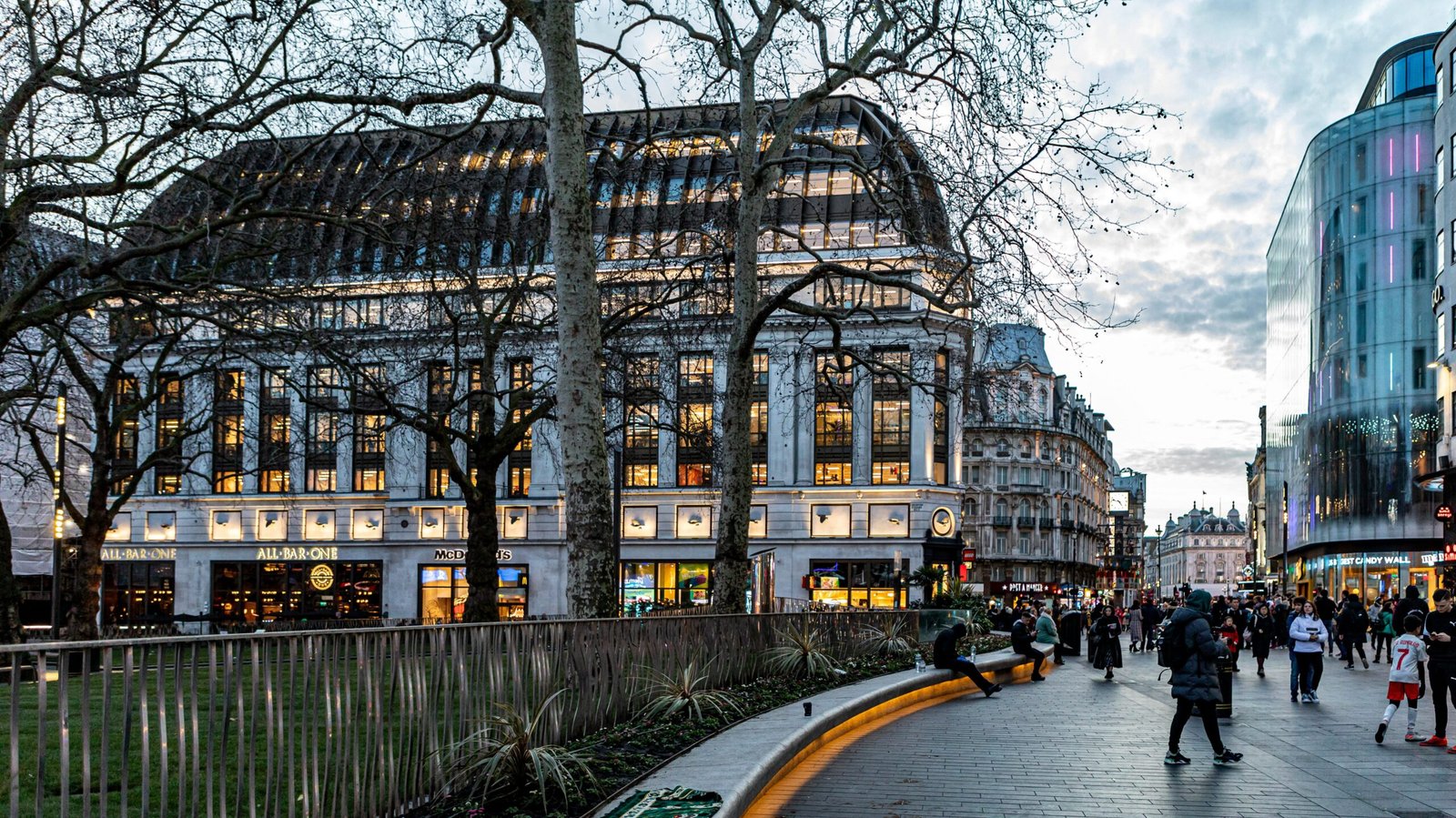
The walk starts at the top of St James’s Street and finishes in Leicester Square, close to three kilometres, and takes about an hour at an unhurried pace. Five stops, in this order:
- St James’s Street, for the eighteenth-century clubs
- Piccadilly, for the room beneath the Ritz
- 44 Berkeley Square
- Curzon Street and Hamilton Place, for what Mayfair has left
- Leicester Square, for the Hippodrome
Anyone following it should understand that this is a walk for looking at buildings, since several of the addresses admit members only and several admit nobody at all.
St James’s Street: Where the habit began
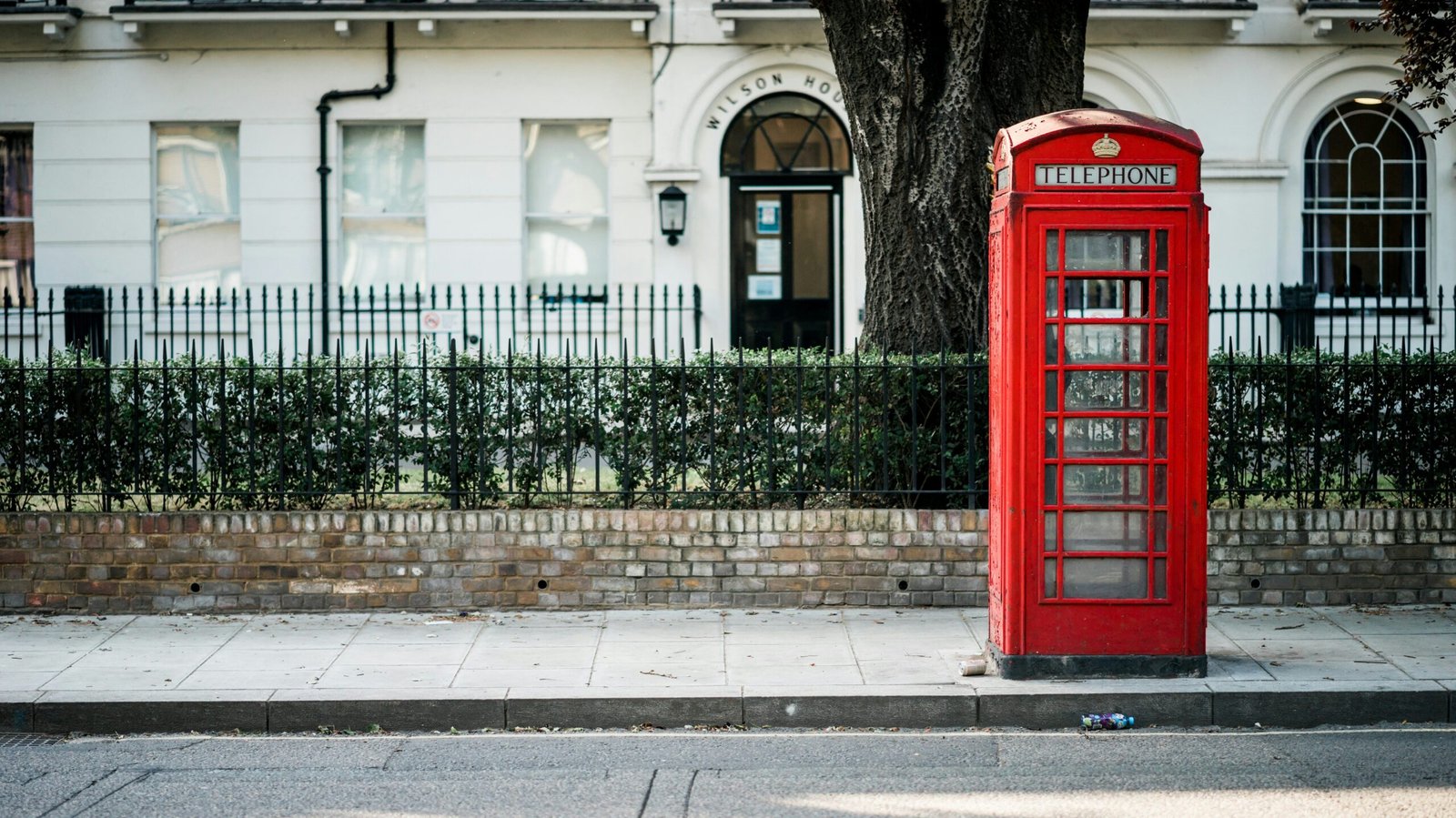
The street drops from Piccadilly to the Tudor gatehouse of St James’s Palace, past bow windows, gas lamps and panelled doors carrying no signage whatsoever. Nothing on the façades announces gambling, which was rather the point, since these buildings were meant to be legible only to people who already belonged.
From chocolate house to card room
White’s opened in 1693 as a chocolate house run by an Italian immigrant, Francesco Bianco, with a room at the back for cards, and it moved to its present address in 1778. Boodle’s had started in 1762 and Brooks’s in 1764. Each acquired a reputation considerably faster than it acquired respectability, and Jonathan Swift called White’s the bane of half the English nobility, which was less a joke than an actuarial observation.
Charles James Fox stood as the emblem of the period, gambling through his twenties on a scale that obliged his father to settle debts running into six figures in eighteenth-century money. He did most of the damage at faro and hazard. Whist ruined people more slowly and just as thoroughly.
The Man at Number 50
No aristocrat ran the most effective operation on the street. William Crockford, the son of an East End fishmonger, opened his house at number 50 in 1828 with the backing of the Duke of Wellington, and he built the business around hazard, an old dice game that later evolved into craps. The maths favoured the bank by a comfortable margin.
Members lost accordingly, and Crockford retired in 1840 with a fortune above a million pounds. He died four years later, the place shut almost immediately afterwards, and the building passed to the Army and Navy Club.
What stands here now: all three of the older clubs still trade on the same stretch of pavement, still vet their membership and no longer offer gaming of any kind. Lunch, a library and a leather armchair.
Piccadilly: The room beneath the hotel
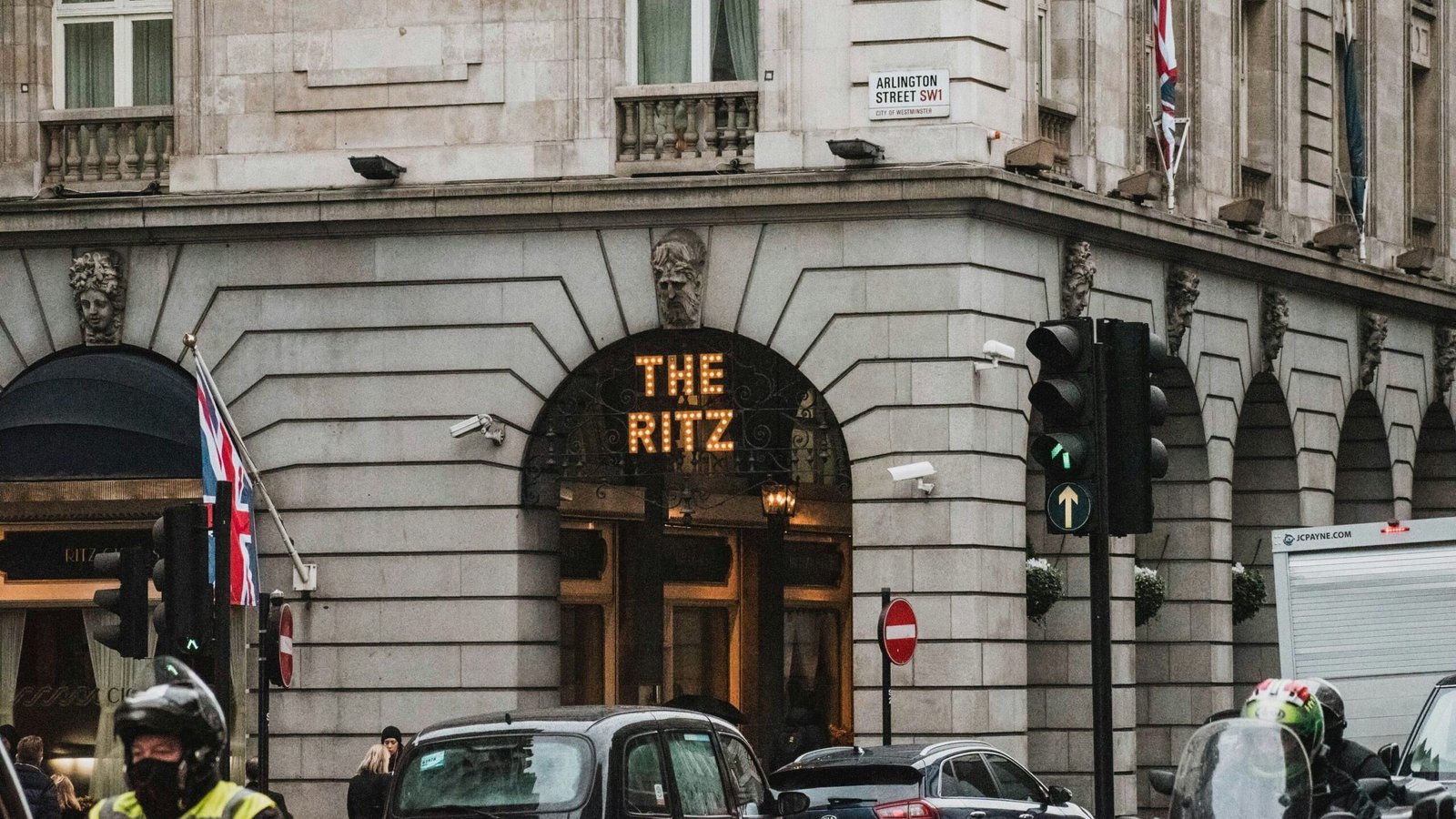
Back at the top of the hill, the Ritz opened on Piccadilly in 1906 and later fitted a casino into its basement ballroom, done out in Louis XVI style with gilt, mirrors and a painted ceiling. It turned up regularly on lists of the handsomest gaming rooms in Europe and served a small number of very large accounts.
The room closed during the 2020 shutdown and never came back, while the hotel above it carried on as normal. From the pavement there is nothing at all to see, which is a fair enough summary of what has happened to high-stakes London.
44 Berkeley Square: A club of two hundred
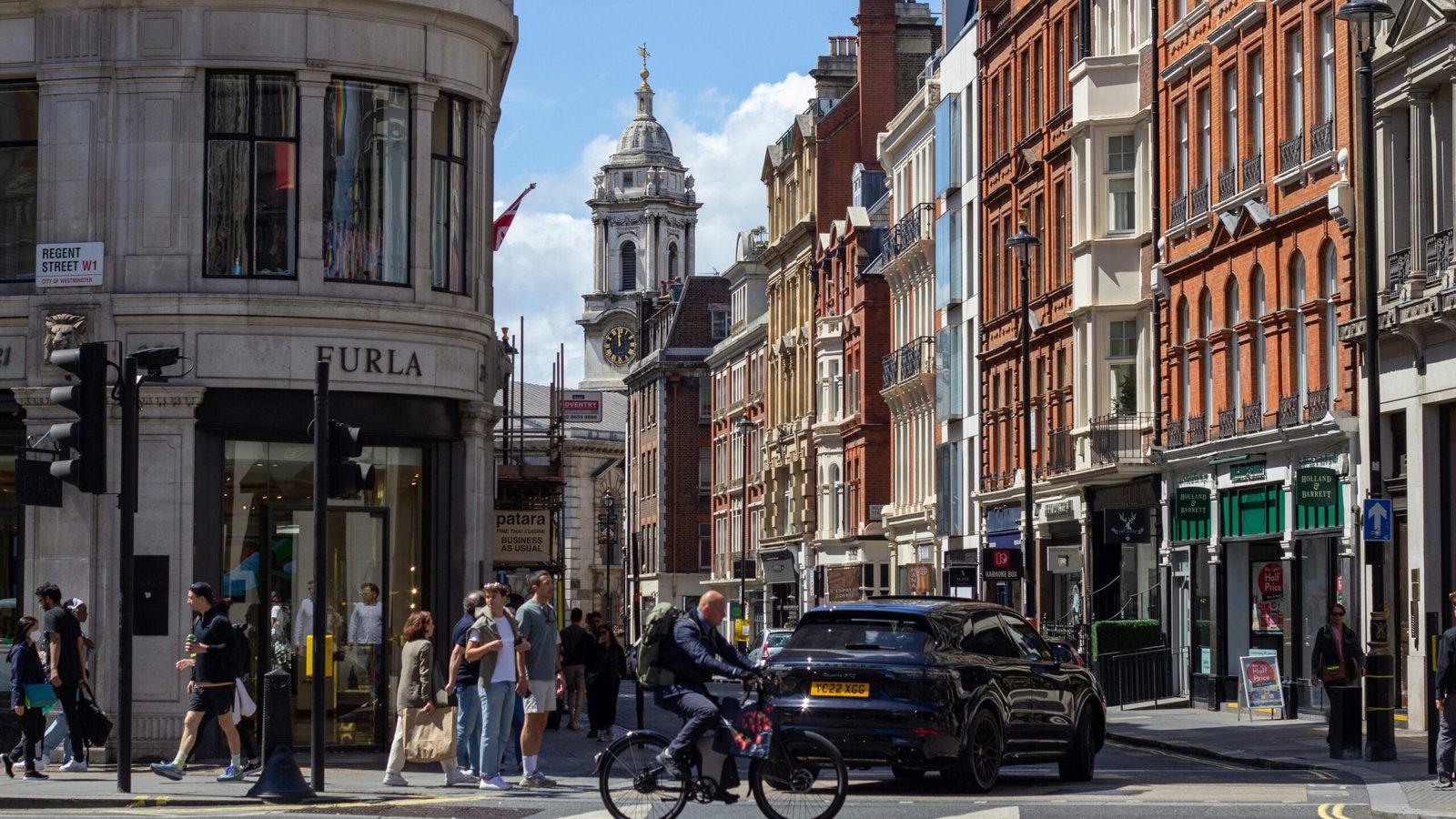
The finest building on the route stands ten minutes west, on the west side of Berkeley Square. William Kent designed number 44 in the 1740s, and guidebooks have called it the best terraced house in London for the better part of a century, largely on the strength of its staircase.
John Aspinall took the lease in 1962 and opened the Clermont, the first London casino licensed under the Betting and Gaming Act 1960. His founding list ran to five dukes, five marquesses, twenty earls and two cabinet ministers. Nobody bought a membership here. It was extended, or it was not.
Lord Lucan belonged, and the address appears in every account of his disappearance in November 1974. That episode has attracted enough words already.
The Clermont closed in 2018, and Annabel’s, the nightclub that had occupied the basement since 1963, moved a few doors along the square. Two hundred names were never going to keep a Kent townhouse in Mayfair solvent, and the exact quality that made the room exclusive is what made it fragile.
Curzon Street and Hamilton Place: What Mayfair has left
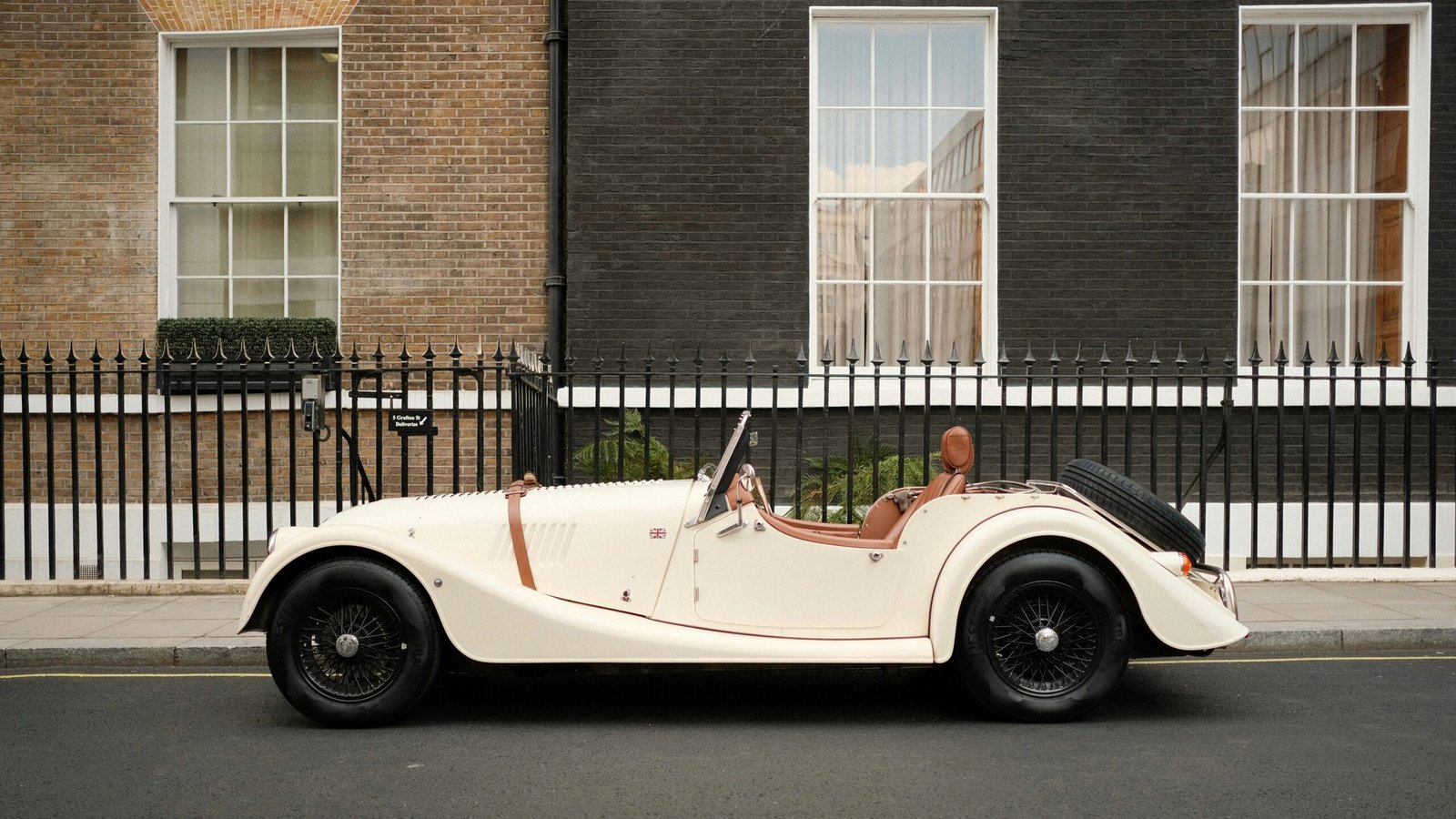
Five minutes south, the Crockford name reappears, having returned in 1928 as a bridge club on Hertford Street before settling at 30 Curzon Street, which preserved a line of sorts back to the Regency. Its Malaysian owner wound the operation up in October 2023, citing a combination of factors that had left high-end London rooms at a competitive disadvantage, and roughly a hundred jobs went with it. The lease sits empty.
The addresses that still deal
Two Mayfair rooms are still trading. The one at 27 to 28 Curzon Street, founded by Aspinall in the 1960s, passed through Australian ownership and took a new name in June 2025 when an American resort group completed its purchase. It remains private.
Les Ambassadeurs has held the same Grade II listed house at 5 Hamilton Place since 1950, and the house has a stronger film history than anything else on this route. Sean Connery plays chemin de fer in those rooms in Dr No and introduces himself by name on film for the first time. The Beatles shot a sequence in the same building for A Hard Day’s Night.
Neither address lets the public in, so look at the doorways from the street and keep walking.
Leicester Square: A theatre’s fourth life
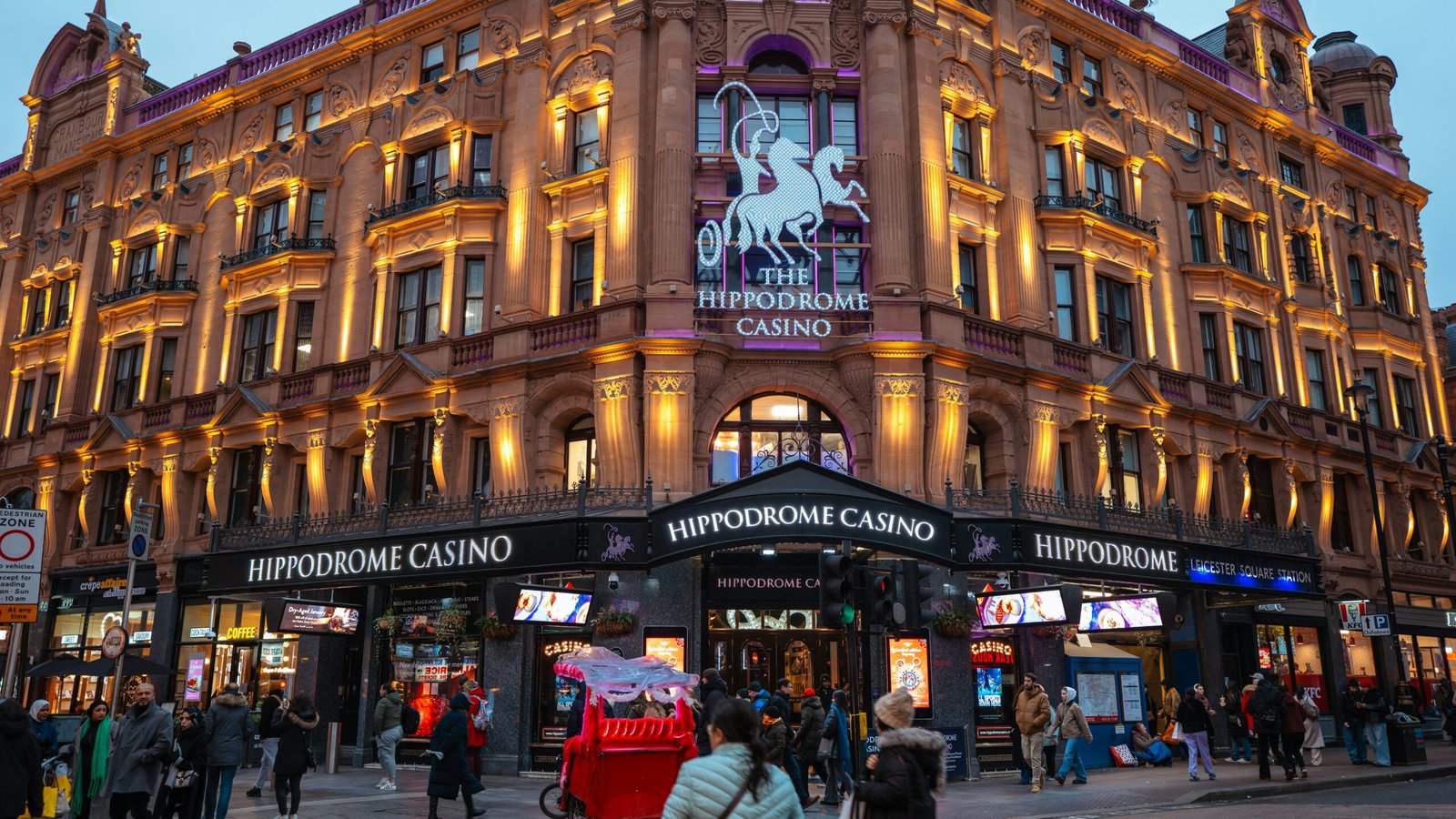
Frank Matcham designed the Hippodrome, which opened in 1900 as a circus and variety house with a water tank under the stage and holds a Grade II listing today. From 1958 to 1982 it traded as the Talk of the Town, a supper club whose stage carried Judy Garland, Shirley Bassey and the Supremes, and it reopened as a casino in 2012 after a long restoration.
The building makes no attempt to behave like a museum. Its auditorium survives, the Minstrels’ Gallery survives, and tables now stand where the stalls once did. Entry costs nothing and requires nobody’s word.
Three centuries on from White’s, the door is simply open.
Before you walk it
Dress codes differ by venue, photography is restricted almost everywhere indoors, and any London casino list published before 2024 deserves to be treated as fiction until checked.
| Address | Then | Now |
|---|---|---|
| St James’s Street | Georgian gaming clubs | Private clubs, no gaming |
| The Ritz, Piccadilly | Basement casino | Closed 2020, hotel trading |
| 44 Berkeley Square | Clermont Club, 1962 | Closed 2018 |
| 30 Curzon Street | Crockfords | Closed October 2023 |
| 27 to 28 Curzon Street, 5 Hamilton Place | 1960s private clubs | Private clubs |
| Hippodrome, Leicester Square | Variety theatre, 1900 | Casino, open to all |
What the Route Shows
The walk from the top of St James’s Street to Leicester Square takes about an hour, and the whole argument sits inside it. Entry once depended on who would vouch for you, then on a subscription and a licence. At the far end it depends on nothing beyond the door being unlocked.
None of this amounts to nostalgia. Arithmetic closed the rooms that closed, and the buildings have outlived every rule that ever governed what went on inside them. London tends to work that way.