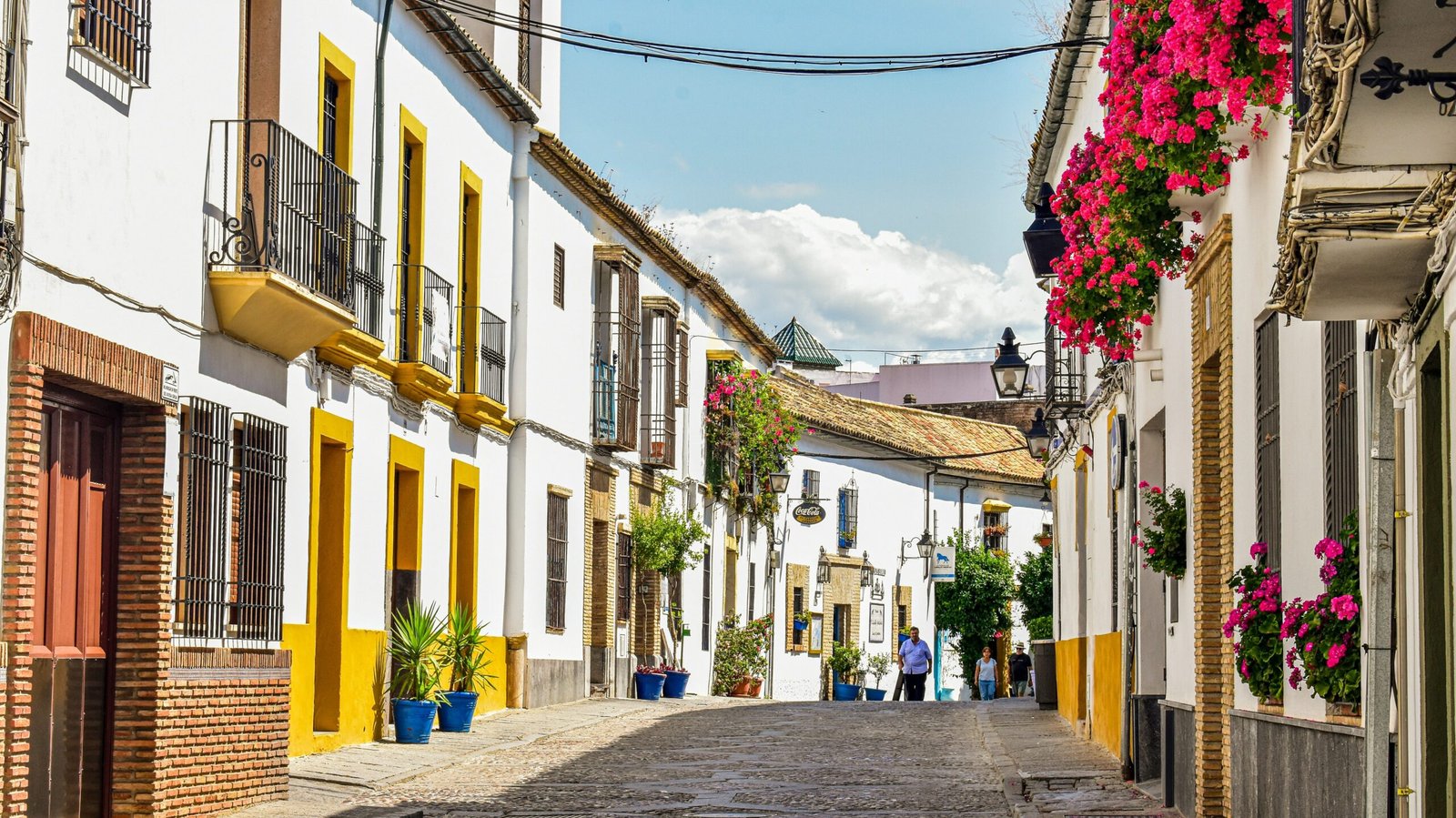
Seville and Córdoba both make the mistake of looking like they need a car. They don’t. Both historic centres are mazes of one-way alleys and pedestrian streets where driving in actively works against you. Several experienced Andalucían drivers put it plainly: they don’t drive in Seville. They park outside and walk.
Doñana sits 60 kilometres south of Seville. Most visitors never make it there. The Sierra Norte villages are an hour out and feel like they belong to a different century. Ronda looks invented. The olive country east of Córdoba in October smells extraordinary.
A car gets you to all of it. Without one, none of it is practical.
The approach that works: arrive in Seville, spend the first two or three days on foot, pick up a car when you’re ready to move, park it at the hotel when you’re back in the city.
Worth renting or not?
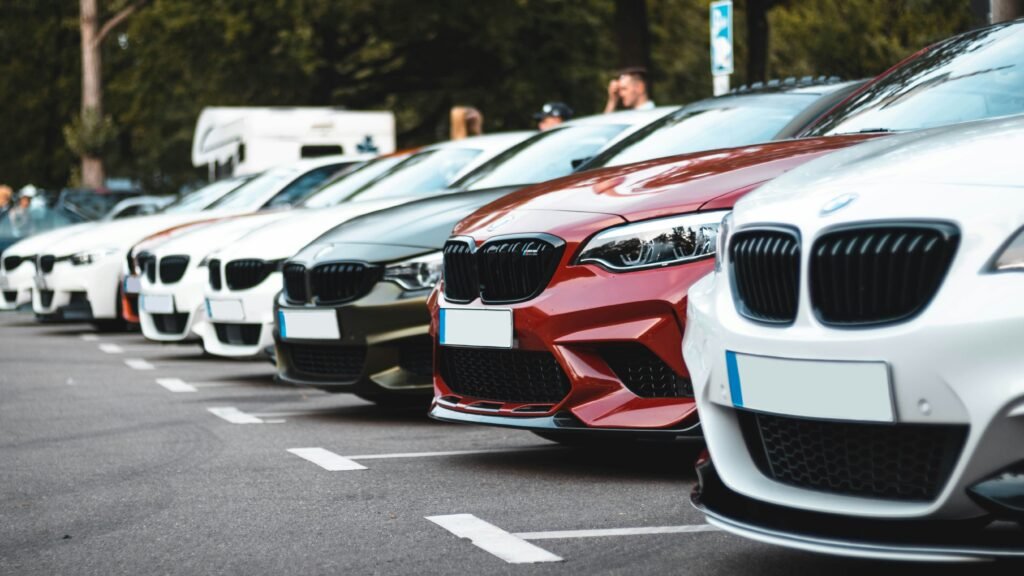
Seville on foot works fine. Tram, buses, walking. The Alcázar and the Cathedral and Triana are all there without a car. Parking in the Casco Antiguo runs €2 to €3 per hour when you can find a space, which is not always.
Córdoba is harder to park in, not easier. The streets around the Mezquita haven’t changed much since the medieval period. Leave the car outside and walk.
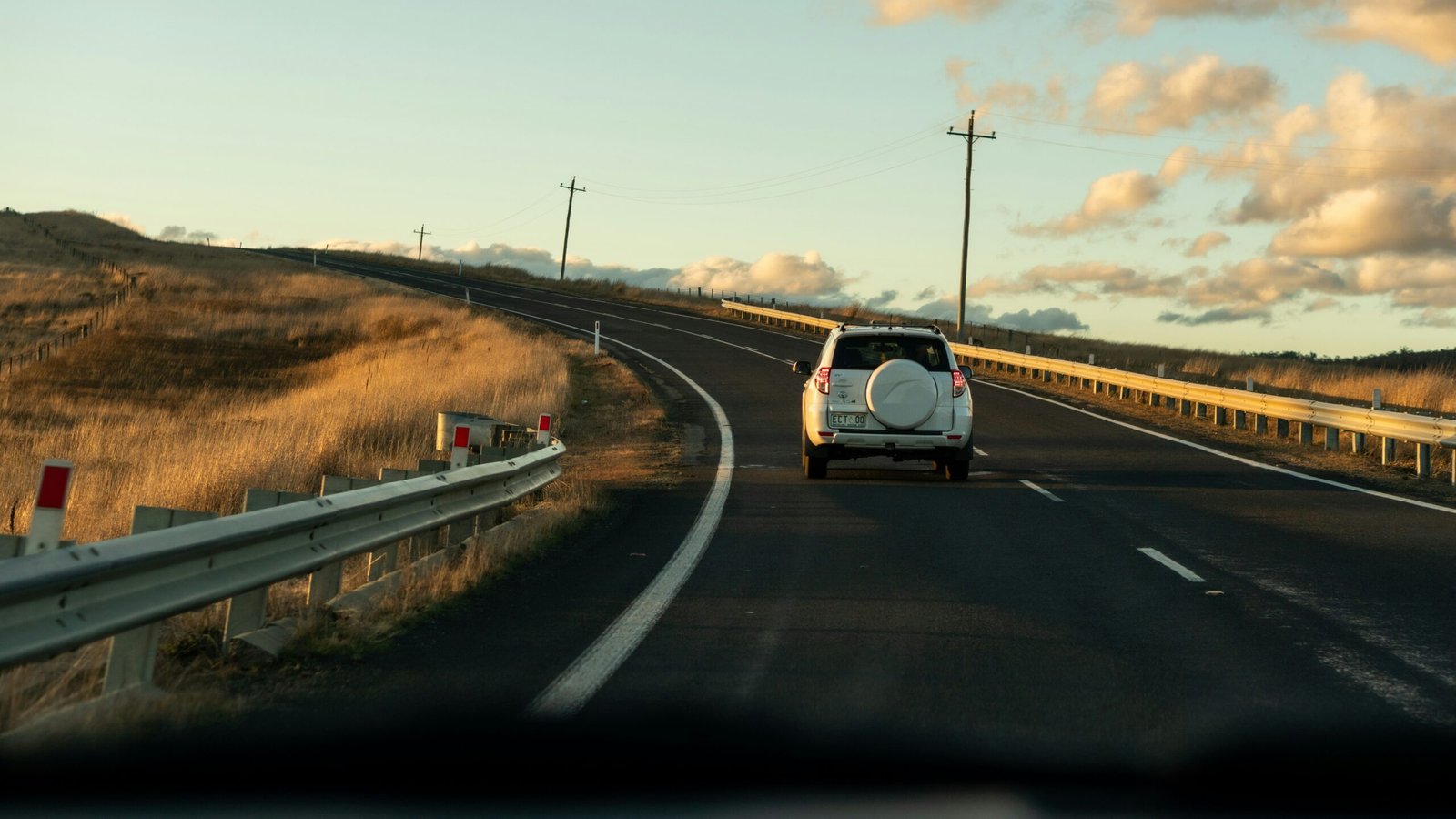
Where a car becomes the obvious choice: anything outside the cities. The drive between Seville and Córdoba on the A-4 takes about an hour and a half. Granada is two hours from Córdoba. Ronda from Seville is a spectacular drive through the Serranía. Carmona, Écija, the villages of the Subbética in southern Córdoba province: none of these work on public transport at any practical frequency.
Picking up the car: What to know first
Seville Airport has all the major brands at the terminal. Santa Justa train station in the city has rental offices too. Picking up there rather than the airport typically saves €10 to €15 per day and makes more sense if the AVE is bringing you from Madrid.
Córdoba has fewer options: train station and a handful of city offices. If you’re picking up there, book early. Spring is particularly thin because Semana Santa and the Patio Festival bring enough visitors to clear out the available fleet.
Standard booking covers the base price, insurance with an excess and a fuel policy. At the desk: deposit on the card, insurance offers that aren’t compulsory, anything not selected during booking. Age minimum 21. Under 25 typically triggers a surcharge of €9 to €20 per day. EU and EEA licenses are fine. US, Canadian, and Australian drivers need an International Driving Permit. Get it before you leave home.
At Seville Airport, international chains and local operators compete for the same bookings. A platform like EconomyBookings shows supplier ratings at that specific location, which is more useful than one that only shows you the price.
Prices, seasons, and what catches people out
November through February: small cars are around €17 to €25 per day. April is expensive. Semana Santa and Feria de Abril push Seville prices up significantly. December averages around €40 per day, which surprises people expecting low season prices.
Santa Justa consistently comes out cheaper than the airport. Check both before committing.
On the platform: base rate, insurance, fuel policy, any extras. EconomyBookings shows the full price without adding charges at checkout. At the desk: deposit, upsells, add-ons not in the original booking. Full-to-full fuel policy means you collect full and return full. The rental company’s refueling rate is not the same as the pump price. Fill up on the way back.
Local companies sometimes add charges that weren’t obvious in the booking summary. Less common with established platforms but the terms are still worth reading before you confirm.
Parking: The part nobody reads until it’s too late
Seville’s Casco Antiguo and Triana have restricted traffic zones. Cameras around the clock, no tourist exceptions. Hotel inside one of these zones: call them before arrival and sort out access. Not when you get there with luggage and nowhere to park.
Cartuja’s ZBE is separate and covers emissions classifications. Modern rental cars usually pass but worth confirming when you book.
Street parking in the centre blue zone, paid on weekday mornings and afternoons and Saturday mornings. Underground car parks run €2 to €3 per hour. For a full day, peripheral car parks with bus connections into the centre cost significantly less.
Córdoba’s Low Emission Zone covers the historic centre. Camera-enforced since October 2025, €200 fines. Foreign-registered rental cars are still read by the cameras. Alcázar Viejo or Paseo de la Victoria sit just outside the boundary. South bank near the Calahorra Tower is free, twelve to fifteen minutes across the Roman Bridge.
Which car actually makes sense
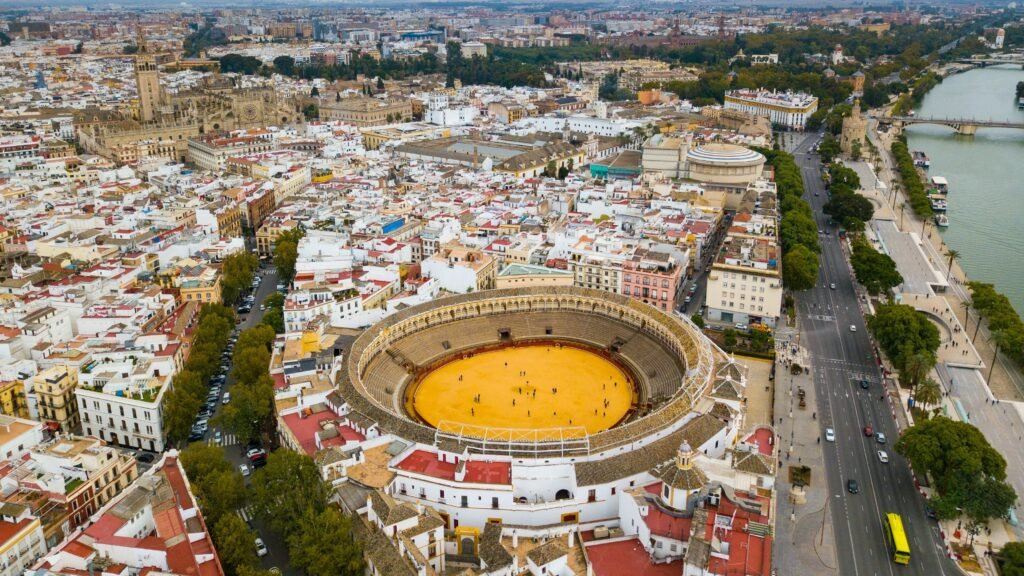
Compact. Narrow streets, tight parking. A smaller car fits where a larger one doesn’t and parks in spaces that eliminate a lot of frustration.
Highways between Seville, Córdoba, and Granada are straightforward. Ronda’s mountain roads are narrow and winding but fully paved. Four adults with a proper week of luggage need at least a mid-sized vehicle. Doing that trip in a Fiat 500 in August in Seville is genuinely uncomfortable.
What I did and what I’d do differently
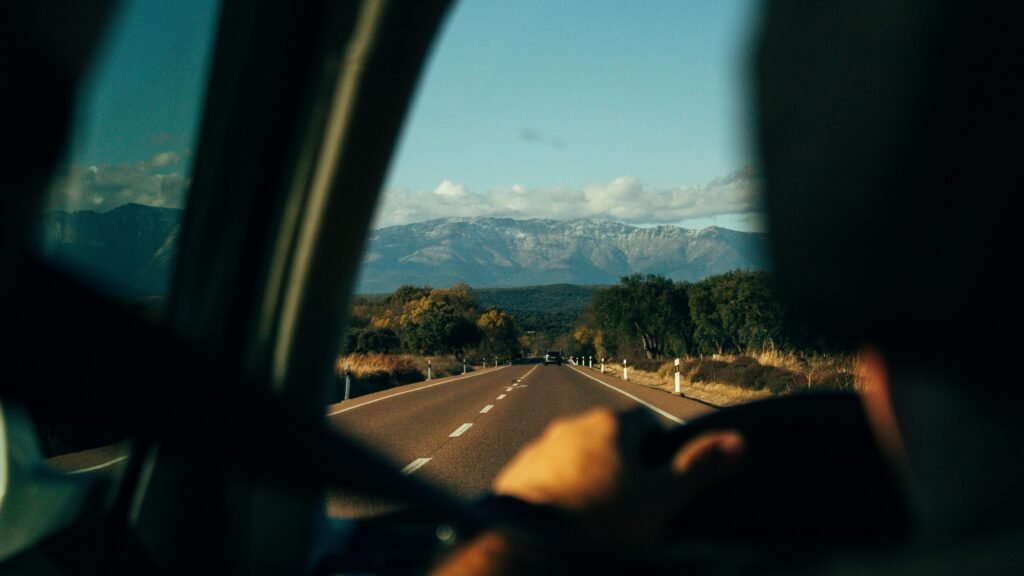
Santa Justa, not the airport. Cheaper and straightforward. Filtered by supplier rating before price on EconomyBookings. Compact automatic with full coverage included.
Carmona that afternoon. Thirty-five kilometers east, completely different pace. Then Córdoba the next day, Paseo de la Victoria, twelve minutes on foot to the Mezquita. No parking drama once you stop trying to get closer than that.
Back via Écija. The A-4 is faster, but the secondary road adds 45 minutes and a completely different version of southern Spain with incredible views.
For four days with full coverage and fuel, the total cost was around €180.
On the road: What to expect
Right-hand side. 120 km/h motorways, 90 km/h secondary roads, 50 km/h in town, 30 km/h in the central zones.
The A-4 between Seville and Córdoba is toll-free. Most motorways are free. The AP-4 to Cádiz has toll sections, worth checking before you go that route.
Andalucían drivers are direct and confident. Overtaking on two-lane roads is normal. On the highway it’s straightforward. In the city centres, patience.
July and August in both cities regularly exceed 40°C. Nothing of value in a parked car. No children or animals in a vehicle even briefly.
Download offline maps before you leave the hotel. GPS in the Casco Antiguo routes you through pedestrian zones. Signs are sometimes halfway up building walls and easy to miss at speed.
Where to book
EconomyBookings covers Seville Airport and Santa Justa with competitive pricing and supplier ratings at each location. Use Skyscanner for a quick price scan before committing.
Before you go
Both cities work without a car. Everything around them doesn’t.
Santa Justa over the airport. A compact vehicle works best. Park outside the old towns and walk in. Read the traffic zone rules before you drive into either city centre. Take a secondary road at least once.
FAQ
Do I need a car in Seville or Córdoba?
Not for the cities. Both are walkable. For Doñana, Ronda, the white villages or anywhere in the Andalucían countryside, yes.
Is it cheaper to pick up at Seville Airport or the train station?
Train station, usually. Airport surcharges add €10 to €15 per day. Compare both when you search.
Are there traffic restrictions in Seville’s old town?
Yes. Casco Antiguo and Triana have restricted zones enforced by cameras around the clock. If your hotel is inside one, arrange access through them before you arrive.
What about Córdoba’s low emission zone?
Historic centre, camera-enforced since October 2025, €200 fines. Foreign rental cars are still read. Park at Paseo de la Victoria or south of the Roman Bridge and walk in.
What size car for Andalucía?
Compact for most things. Mid-size for four adults with luggage.