
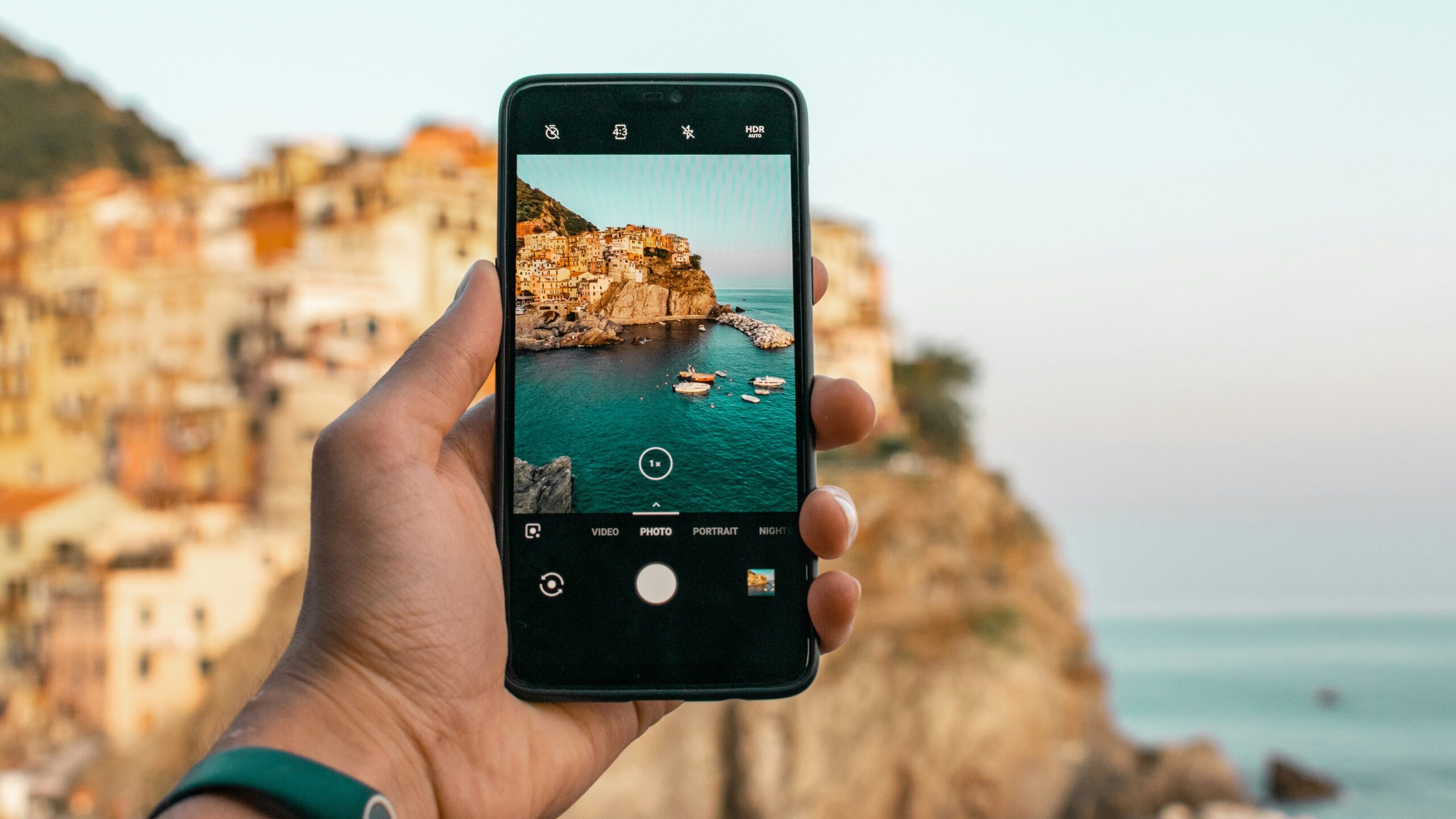
Most travellers now rely on their smartphones for almost everything from boarding passes and hotel check-ins to navigation, banking, and staying in touch with family. While this convenience makes travel easier, it also means your phone carries a large amount of sensitive personal information wherever you go.
The good news is that improving your digital safety doesn’t require technical knowledge or complicated tools. A few simple habits can significantly reduce your risk while you travel.
1. Turn on multi-factor authentication for key accounts

Passwords alone are no longer enough to keep accounts secure, especially when travelling and connecting to different networks and services. If someone gains access to your password, they may be able to log into your email, banking, or travel accounts.
Multi-factor authentication (MFA) adds an extra layer of protection by requiring a second step to verify your identity, such as a code sent to your phone or an authentication app.
Enabling MFA on essential accounts like email, banking apps, and travel platforms helps ensure that even if your password is compromised, your accounts remain protected.
2. Be careful when using public Wi-Fi abroad
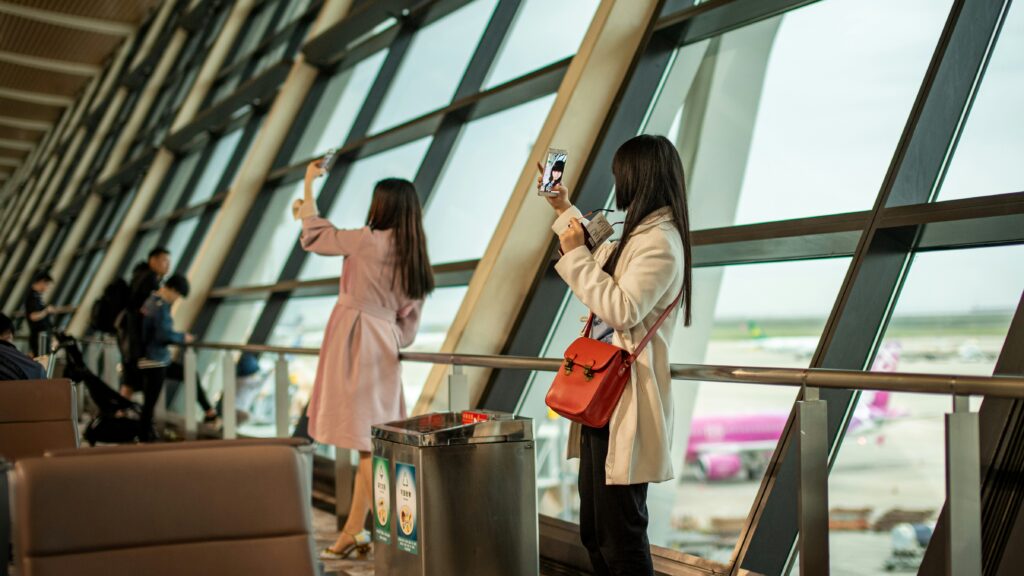
Free Wi-Fi in airports, hotels, cafés, and train stations is incredibly convenient when travelling, but it’s not always secure. Public networks can expose your data to others on the same connection if proper protections aren’t in place.
A simple way to reduce this risk is to use a trusted VPN for iPhone or Android when connecting to public Wi-Fi. A VPN encrypts your internet connection, making it much harder for anyone to view your activity or access sensitive information while you browse.
If you frequently check emails, use banking apps, or manage bookings while abroad, this is a particularly useful habit to adopt.
3. Review app permissions before and during travel
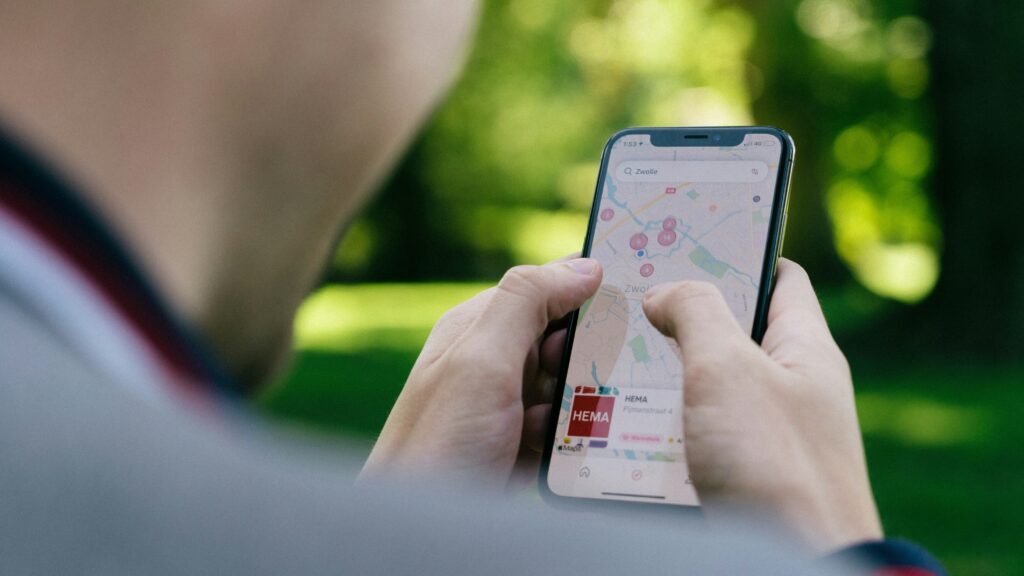
Many apps request access to data they don’t necessarily need, such as your location, contacts, photos, or microphone. Over time, this can create unnecessary exposure, especially when you’re travelling and using new apps more frequently.
Before a trip, it’s worth reviewing your phone’s app permissions and adjusting what each app can access. On most smartphones, you can set location access to “While Using the App” or disable it entirely for apps that don’t require it.
This small step helps reduce background data sharing and ensures you only share information when it’s genuinely needed.
Final thoughts
Travelling with your smartphone is now part of everyday life, but it also means carrying your digital identity with you wherever you go. By adopting a few simple security habits, you can continue using your phone confidently while reducing unnecessary risks.
A more mindful approach to smartphone security helps make travel smoother, safer, and less stressful so you can focus on the journey rather than what might go wrong. Whether you’re planning a trip to Toronto, a Christmas market in Berlin, or to the Costa del Sol to enjoy some sun, your smartphone’s security shouldn’t be ignored.