

Europe is one of those places where the gap between a stressful trip and a smooth one often comes down to preparation. You can book the best hotels, plan the most detailed itineraries, and still find yourself standing at a train station in a foreign country, unable to read the departures board, unsure what currency is in your wallet, or scrambling to find a decent restaurant in an unfamiliar neighbourhood. What closes that gap for most modern travellers is having the right apps on their phones before they leave home.
Navigation and getting around
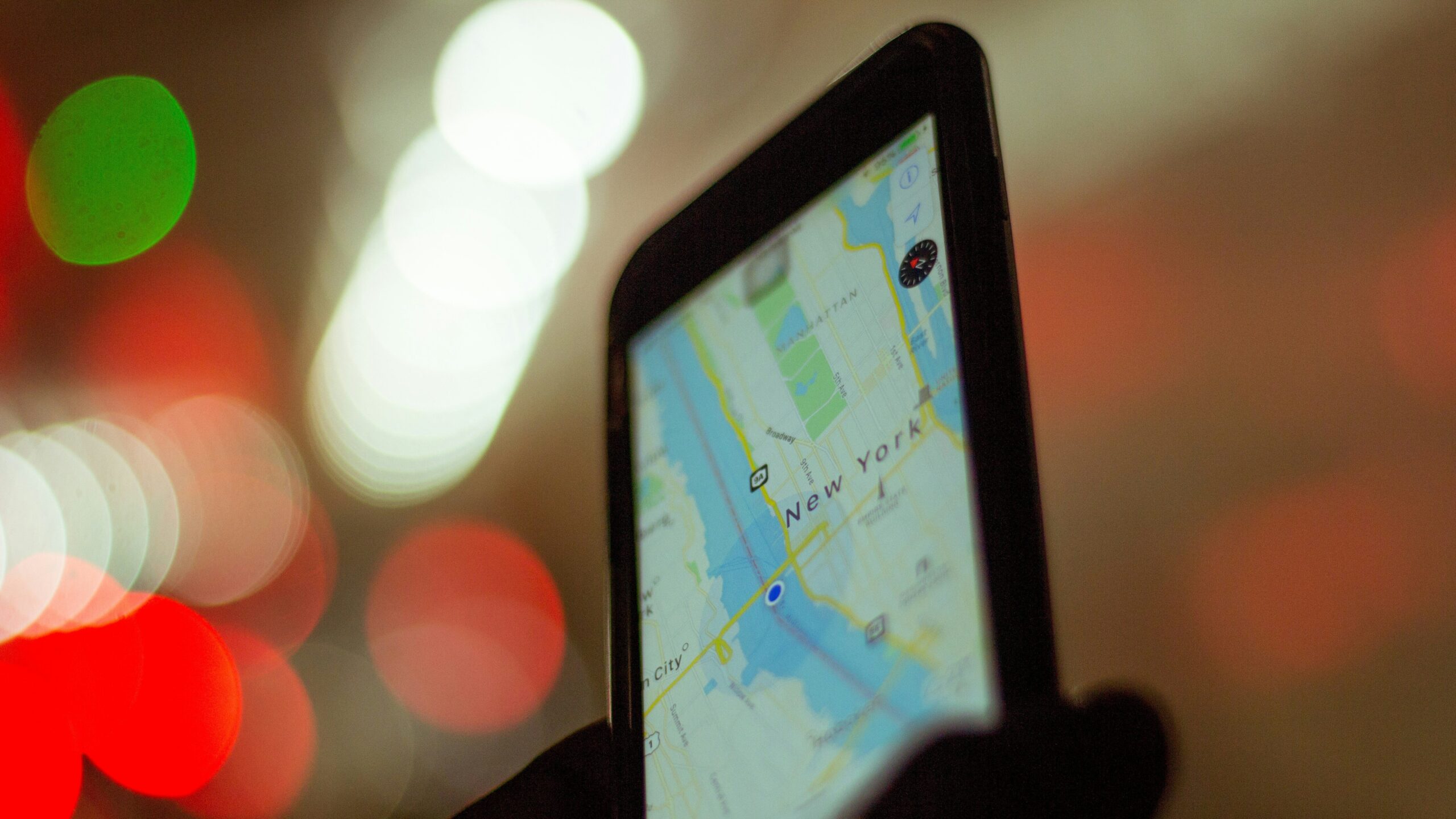
Getting around Europe is rarely as simple as it looks on a map. Cities like Rome, Prague, and Lisbon have historic centers that were not designed with modern navigation in mind. Public transport networks vary wildly from country to country. And if you are crossing borders, the logistics can get complicated quickly.
Google Maps remains the most reliable all-round navigation tool available, and it works well across Europe. Its offline map feature is particularly valuable; you can download an entire country or region before you travel and navigate without using any mobile data. It also covers public transport routes, walking directions, and estimated travel times with a reasonable degree of accuracy in most European cities.
For rail travel specifically, Trainline is the app that serious European travellers tend to rely on. It aggregates train routes, prices, and schedules across dozens of European rail operators, allowing you to book tickets from a single platform rather than navigating each country’s individual rail website. It covers operators including SNCF in France, Deutsche Bahn in Germany, Renfe in Spain, and many others. The app also stores your tickets digitally, which removes the need to print anything or queue at a ticket machine.
Rome2rio is another tool worth having, particularly when planning journeys between destinations. It compares all available transport options (train, bus, ferry, flight, and even car) and gives you a clear breakdown of costs and journey times for each. It is especially useful when you are trying to travel between two cities that are not well-connected by rail.
Financial apps and staying secure with your money
Managing money across multiple countries is one of the most practical challenges of European travel. Exchange rates, foreign transaction fees, and the risk of carrying too much cash all create unnecessary friction. Financial apps have changed this significantly, but it is important to know which ones actually deliver on their promises.
Apps like Revolut, Wise, and N26 have become standard tools for frequent travellers, and for good reason. Revolut allows you to hold and exchange money in over 30 currencies, typically at interbank exchange rates with no hidden markups. You can convert euros to Czech koruna, Polish zloty, or Norwegian krone in seconds, directly within the app. Wise operates on a similar principle, offering real mid-market exchange rates and low, transparent fees. N26 is a fully licensed European bank that offers a mobile-first account with no foreign transaction fees, making it a strong option for those spending extended time across the eurozone and beyond.
One important safety question when using financial apps is whether the platform you are transacting through is properly licensed and regulated. This matters more than many travellers realize. A reputable financial app will clearly display its regulatory credentials. Revolut, for instance, holds banking licenses in multiple European jurisdictions, while Wise is regulated by the Financial Conduct Authority in the UK and equivalent bodies in the EU and the US.
This principle also applies equally to other apps and platforms you might use for transactions while travelling, including niche platforms such as online casino sites. Those who play mobile slots and other casino games while on the road need to ensure they are doing so on verified, licensed platforms, ones that display their licensing information transparently and are regulated by a recognized gaming authority.
Language and communication: Bridging the gap abroad
Europe has 24 official EU languages, and that does not even account for the many regional dialects and languages spoken across the continent. Even in countries where English is widely spoken, having a translation tool on hand makes a meaningful difference.
Google Translate is the obvious starting point, and its camera translation feature has become one of the most practically useful tools available to travellers. Point your phone camera at a menu, a sign, or a shop label, and the app overlays a live translation onto your screen.
DeepL is increasingly regarded as producing more natural and nuanced translations than Google Translate for written text, particularly for European languages like French, German, Italian, Spanish, and Polish.
Accommodation and experience planning

Knowing where to sleep and what to do each day might seem like the basics, but having the right tools to manage these things on the go makes a real difference once you are actually travelling.
Booking.com and Hostelworld, between them, cover the full range of accommodation types across Europe, from budget hostels in Lisbon to boutique hotels in Florence. Both apps allow last-minute bookings, which is useful if your plans change mid-trip. Booking.com, in particular, has strong coverage of apartments and smaller guesthouses that may not appear on larger platforms.
For experiences and day tours, GetYourGuide and Viator are the two dominant platforms. Both allow users to choose among a variety of guided tours, museum tickets, day trips, and unique local experiences across thousands of European destinations. Booking in advance through these apps often means you can skip the queues at popular attractions, which is a meaningful advantage at places like the Colosseum in Rome, the Sagrada Família in Barcelona, or the Anne Frank House in Amsterdam.
Staying safe and connected while travelling
Connectivity underpins almost every other aspect of modern travel. Without a reliable data connection, most of the apps mentioned in this guide become considerably less useful.
Airalo is an eSIM marketplace that lets you purchase and activate a local or regional data plan directly from your phone, without needing a physical SIM card. For European travel, regional plans covering the EU and wider Europe are available at competitive rates, and activation takes only a few minutes.
For privacy and security on public Wi-Fi networks, something that matters when you are logging into banking apps or making payments from a hotel lobby or airport lounge, a reliable VPN is worth having. Options like NordVPN or ExpressVPN encrypt your internet connection, making it significantly harder for third parties to intercept your data over unsecured networks.