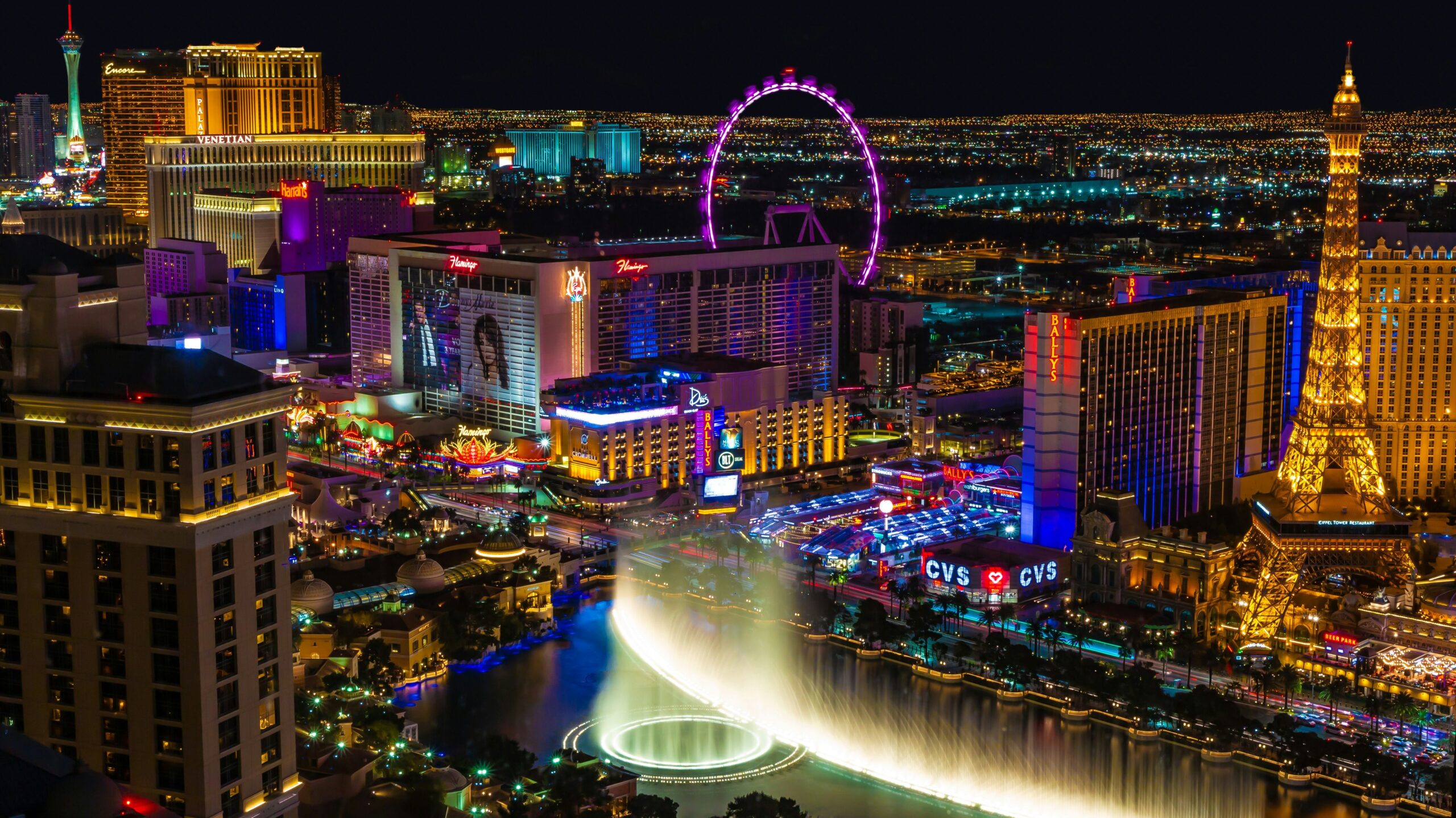

Algorithms decide what travellers will see before they even buy tickets. Booking apps, social media, maps — everything runs on machine learning that filters millions of options and shows a dozen. The problem is that Cadillac Escalade rental Dubai and other practical things get lost behind pretty pictures the algorithm considers “suitable”. Car rental Dubai might not make the top recommendations simply because photos of an office get fewer likes than beach sunsets.

Artificial intelligence learns from user data. Millions of clicks, likes, and bookings form patterns. If most people choose five identical attractions, the algorithm will promote exactly those. Everything else moves to the second or third page of results, where almost no one looks.
Trinity Rental offers new cars with minimal mileage, including 2024 models, but finding such a service through regular search is harder than stumbling onto hyped tourist traps. Car delivery to any location, payment by cash, card, or crypto, full tank as a gift — these details get lost in the information flow that algorithms consider less important.
Filter bubble in travel

Social media shows content based on previous interests. Watched posts about beaches — get more beaches. Liked mountain photos — here are ten climber profiles. The algorithm creates a bubble where everything looks similar.
Daily car rental rarely appears in feeds because it’s not visually appealing. But sunsets, food, and selfies against skyscrapers generate engagement. The algorithm reacts to metrics: likes, comments, shares. Practical information loses to emotional content.
A dedicated manager at Trinity Rental helps solve issues quickly, but such service is hard to show in photos. If needed, with a driver option is available — this convenience that algorithms don’t consider worthy of promotion. 300 km per day is included in the rental, tax included in the price. These facts matter, but they don’t create viral content.
Travellers see the same places:
- Burj Khalifa in Dubai — millions of photos, an algorithm promotes it automatically.
- The Eiffel Tower in Paris — a classic that gets shown to everyone.
- Colosseum in Rome — mandatory program item according to social media.
- Taj Mahal in India — a country symbol that overshadows everything else.
The algorithm amplifies the popularity of the popular, creating a closed loop.
Search engines and commercial interests

Google, Yandex, and other search engines run on advertising. First lines of results are often paid placements. Dubai car rental at the top might not be the best deal, just the one who paid more for ads.
SEO optimization turned into a game with algorithms. Site stuff keywords, buy links, create content for search engine requirements. Service quality takes second place. Main thing — get into the TOP 10 results where 90% of clicks happen.
Luxury car rental pops up in search results, but often these are aggregators with 20-30% commission, not direct providers like Trinity Rental. The algorithm ranks sites by traffic volume, backlinks, and time spent on page. Small companies with good service lose to large platforms with big marketing budgets.
Map applications also filter information:
- Google Maps shows places with high ratings, but the rating depends on the number of reviews, not quality.
- Popular spots get more attention and even more reviews — snowball effect.
- Lesser-known but interesting locations remain beyond the first screens.
The algorithm prefers proven and mainstream over unverified and unique.
Recommendation systems in booking
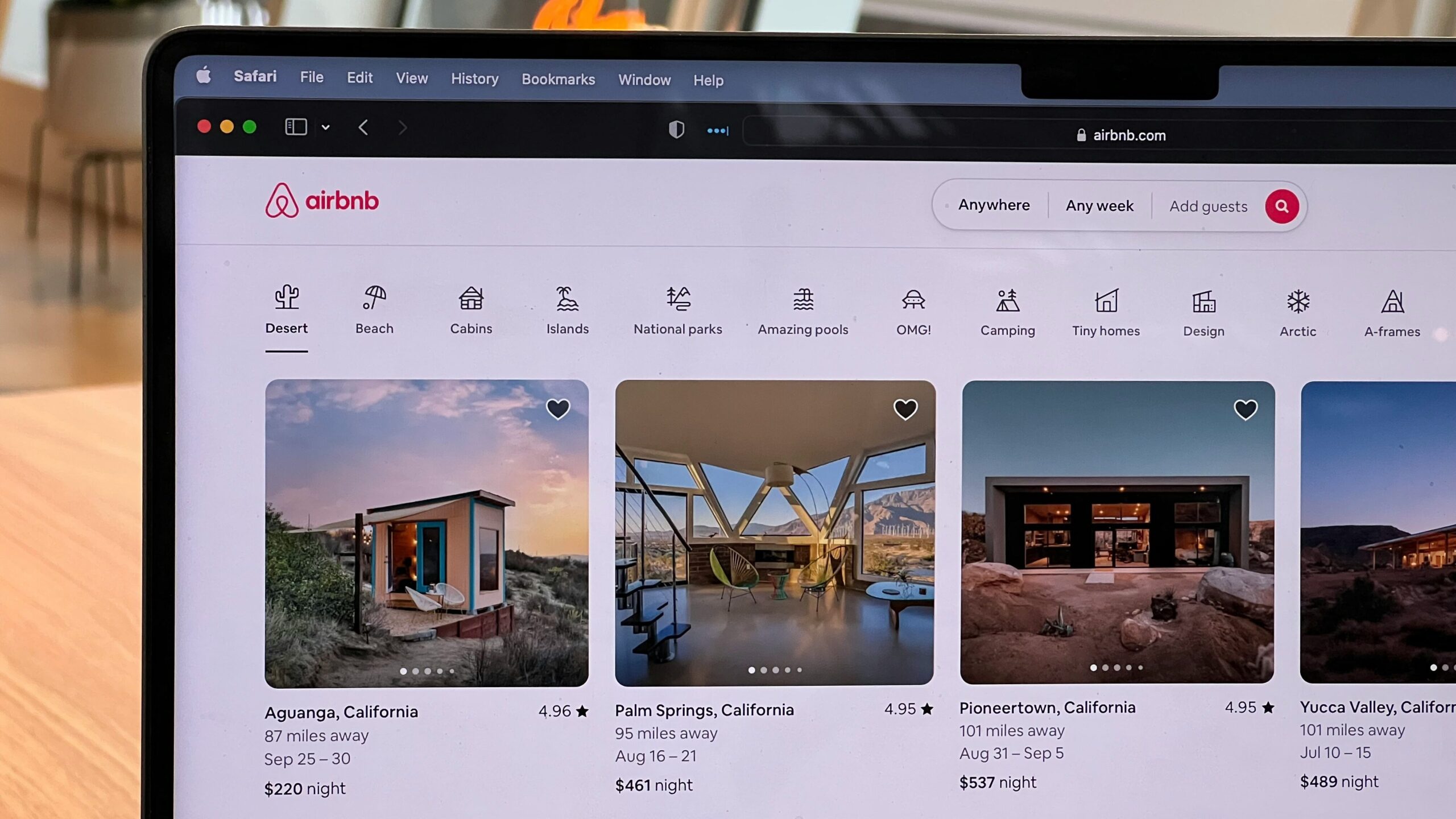
Booking, Airbnb, and other platforms use machine learning for personalized offers. The algorithm analyzes search history, bookings, and clicks. Shows options similar to what the user chose before.
Booked budget hostels — get more hostels. Searched hotels with a pool — here are ten more. The system reinforces behavior patterns. VIP car rental might not appear in recommendations simply because the user didn’t search for Premium class cars before.
Luxury services like Trinity Rental get lost in the mass of offers if the algorithm doesn’t consider them relevant for a specific user:
- Platforms promote partners who pay commission — independent companies stay in the shadows.
- New offers get less visibility than proven ones — even if they’re better.
- Geographic binding works strangely: search in Dubai, get shown options from Abu Dhabi or Sharjah.
Algorithm optimizes for platform revenue, not user convenience.
Booking systems hide options. Default filters cut out half the variants. “Recommended” means profitable for the platform. “Popular” means frequently booked, but not necessarily better. Real service quality is hard to determine.
Content marketing and influencers

Bloggers, influencers work with brands. Their posts, videos, stories — this is advertising disguised as personal experience. Social media algorithms promote such content because it generates engagement.
Millions of followers see the same places. A specific beach in Bali exploded in popularity after a couple of viral posts. Now it’s crowded, while neighboring beaches stay empty. The algorithm amplified the effect by showing content to millions of users.
Elite services often remain off camera because they’re hard to package beautifully for Instagram. Car rental with a dedicated manager, tax included, and 300 km mileage per day — this is convenient, but not visual content. Bloggers prefer shooting yachts, villas, and restaurants with panoramic views.
Influencers shape trends. One popular post can redirect thousands of tourists to a specific location. Algorithms pick up the trend and start showing similar content even more. Other places remain invisible.
Paradox of choice: more information makes choosing harder. Algorithms should simplify the task, but instead create an illusion of choice by showing a dozen options from a million. What didn’t make it to the results doesn’t exist for the user.
Language barrier in algorithms

Machine learning trains on data. Most data is in English. Algorithms work worse with other languages. Search in Russian gives fewer relevant results than in English.
Content in popular languages gets more attention. Articles, reviews, and posts in English rank higher. Information in other languages moves to the background. This creates bias toward the English-speaking audience.
Local services like Trinity Rental with multilingual support remain unnoticed if content about them isn’t created in the dominant language. The algorithm considers such content less authoritative, even if the information is more accurate and useful.
Translations through algorithms lose nuances. Google Translate handles basic phrases, but cultural context disappears. Place descriptions, reviews, and recommendations become faceless after machine translation.
What gets lost beyond algorithms
Spontaneity disappears. Travelers used to discover places by accident — turned the wrong way, asked locals, saw something interesting from the window. Now routes are planned by algorithms in advance. Everything is predictable.
Local culture takes a backseat. Algorithms promote what attracts the masses. Authentic cafes, markets, and neighborhoods remain off camera. Tourists see decorations created for tourists.
Non-obvious options get ignored. Car rental Dubai might offer dozens of companies, but the algorithm will show three or four. Rest disappear from view, even if they’re more convenient, cheaper, or better quality.
Human factor gets replaced by data. Friend recommendations, random encounters, local advice — none of this enters the algorithm. The machine doesn’t understand context, emotions, or situation uniqueness.
Travel becomes standardized. Everyone follows the same routes, takes the same photos, and visits the same places. Algorithms create uniformity, packaging unique experiences into reproducible patterns. What used to be an adventure turned into a checklist of top locations everyone had already seen on social media.