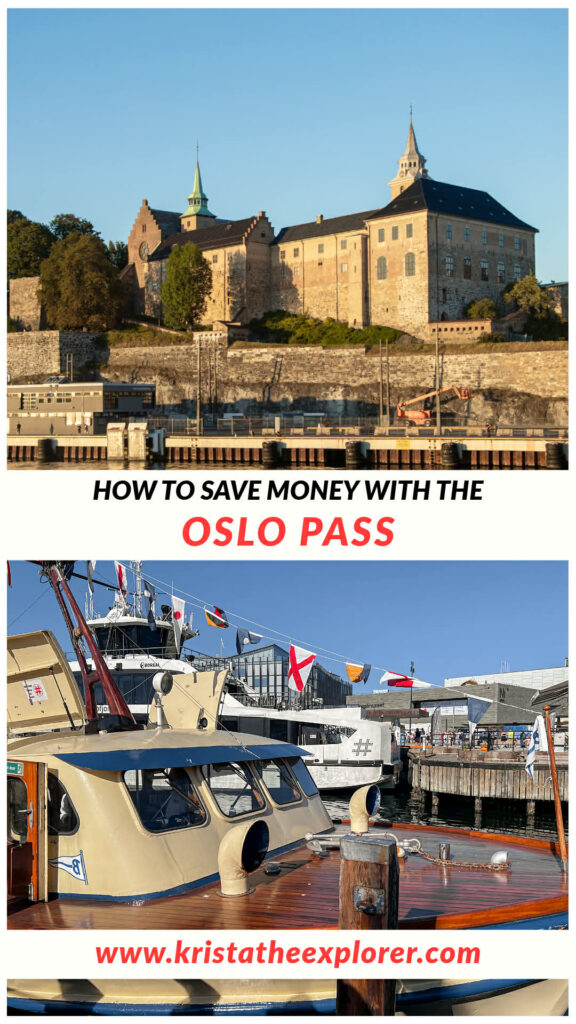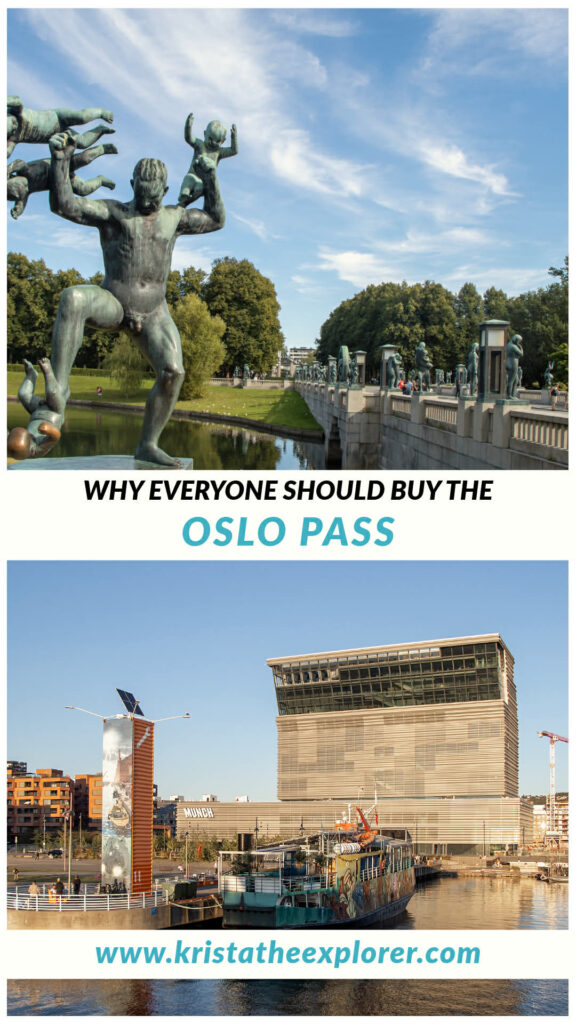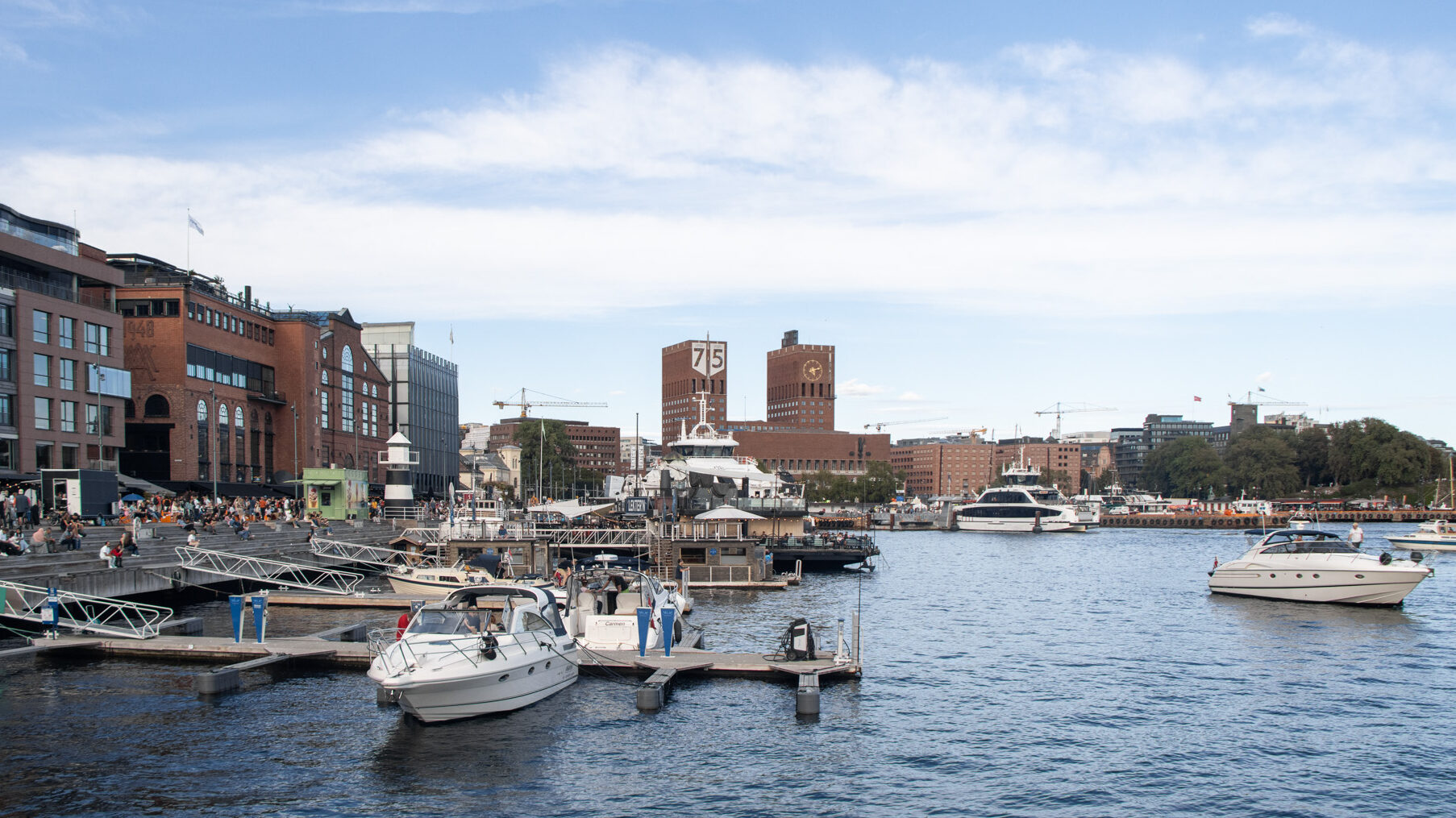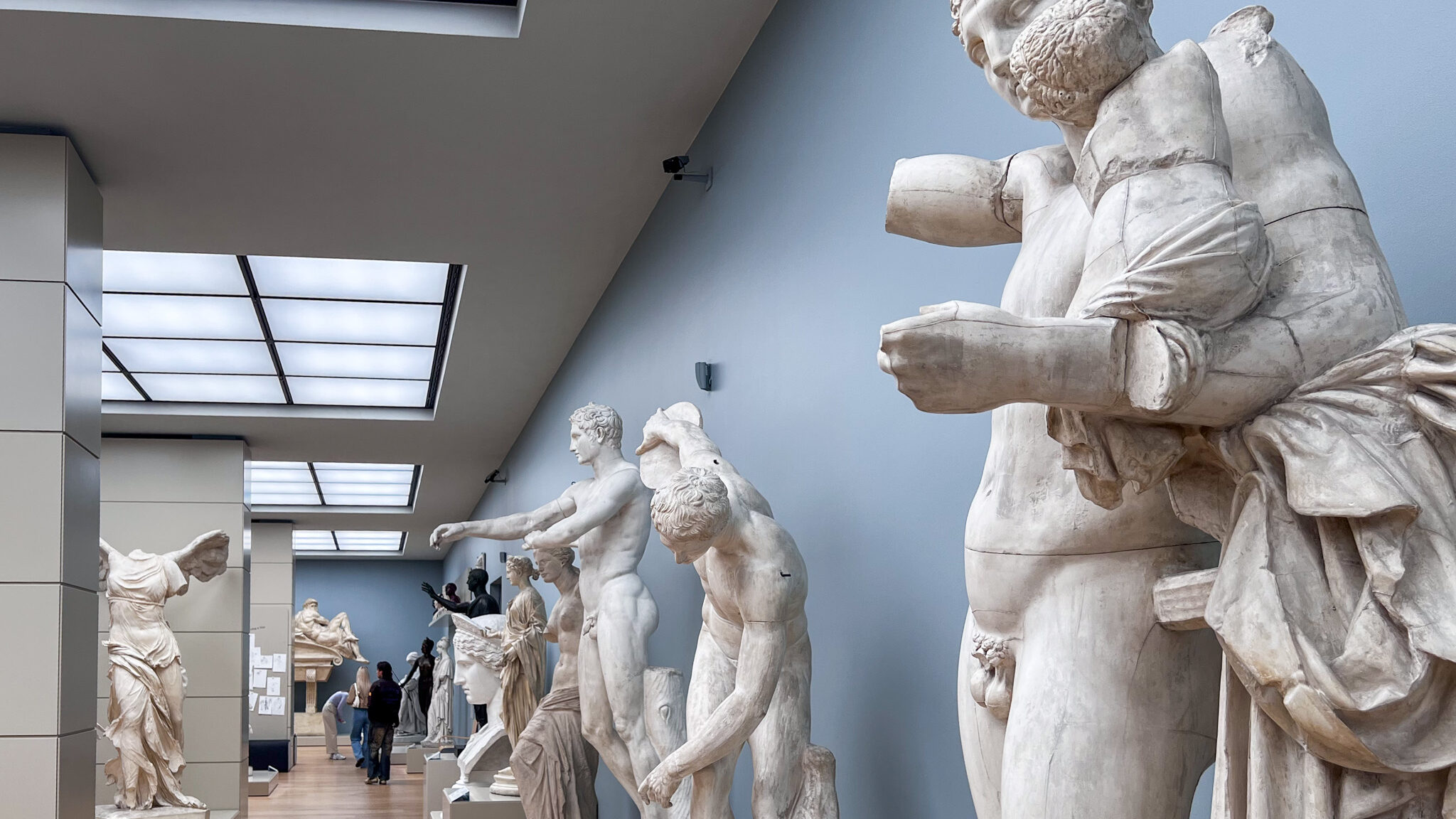
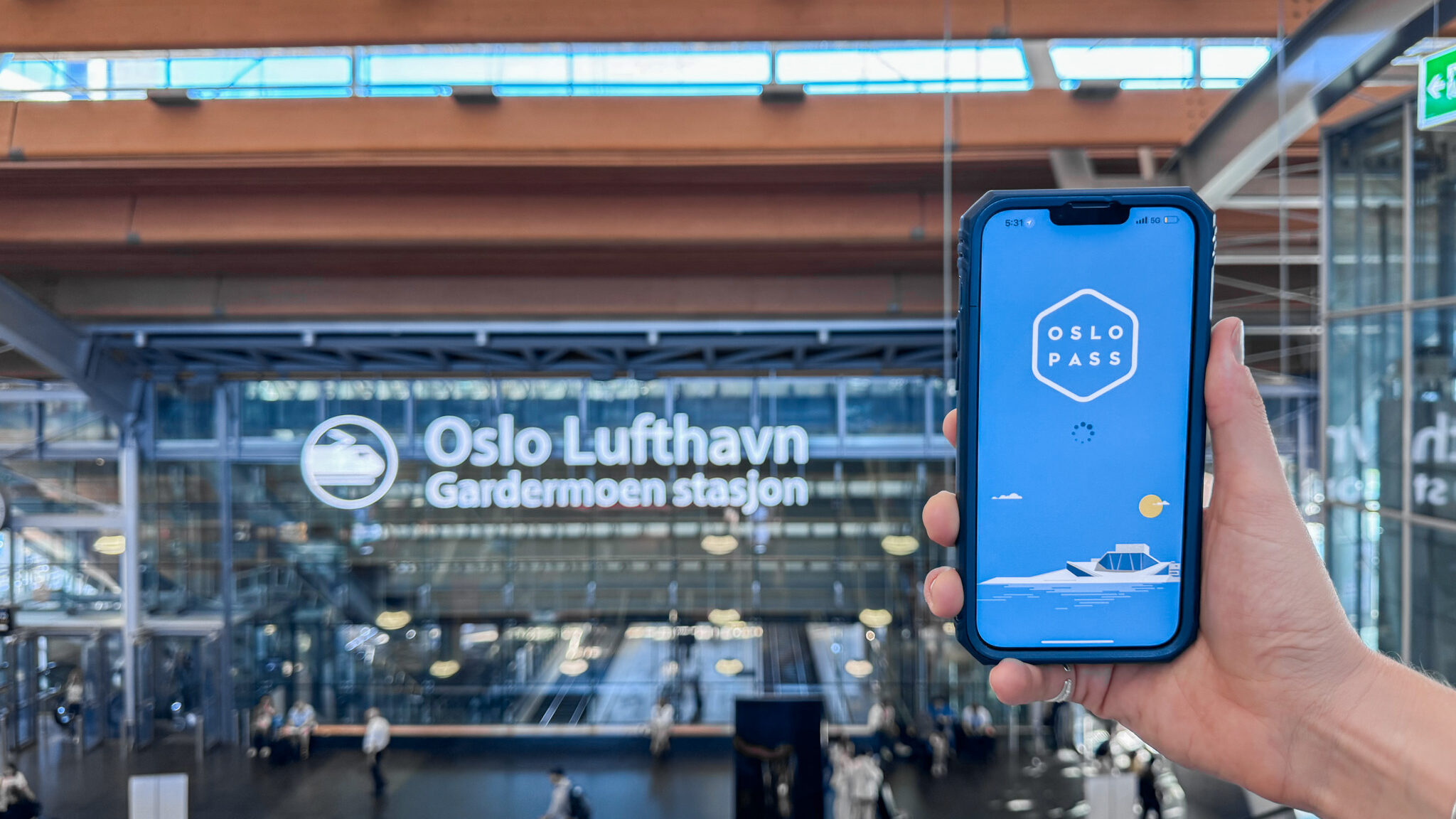
Oslo is known for being a stylish city, with modern buildings, beautiful nature spots, and plenty of history to dive into. It offers a unique mix of world-class museums, cultural attractions, and contemporary architecture. Whether you’re planning a weekend in Oslo or you want to stay for longer, there are a lot of great things to do in Oslo to add to your itinerary. And one of the best ways to save money is by utilizing the Oslo Pass for attractions, transportation, and food.
Although Norway is seen as an expensive country, Oslo can be budget-friendly with the right approach. The Oslo Pass covers entry into a lot of the top attractions in Oslo, including museums, as well as guided experiences and public transport. This is the second time I’ve visited Oslo, and on both occasions I’ve opted to use the Oslo Pass to save money. The city can be far more accessible than its reputation suggests, which is why it should be on everyone’s list of places to visit in Scandinavia.
What is the Oslo Pass?
The Oslo Pass is a sightseeing card that’s designed to help visitors explore the best of the Norwegian capital, without blowing a hole in their budget. It’s available for 24, 48, and 72 hours, and it provides users with free entry into many of the main attractions around the city. It also includes unlimited travel on all forms of public transportation (ferries to nearby islands, too), making it very easy to get around Oslo without worry. Prices for the Oslo Pass start at 580 NOK (€50) and increase based on the length of time.
On top of free transport and admission to attractions, the Oslo Pass also offers discounts on restaurants, shops, and guided tours. To make things easier, the pass is available through a mobile app, so you can activate it whenever you’re ready to start exploring. Travellers who are planning to visit several attractions in a short amount of time will find that the Oslo Pass is the best way to enjoy all the city has to offer, at an overall lower cost.
Does the Oslo pass include public transportation?
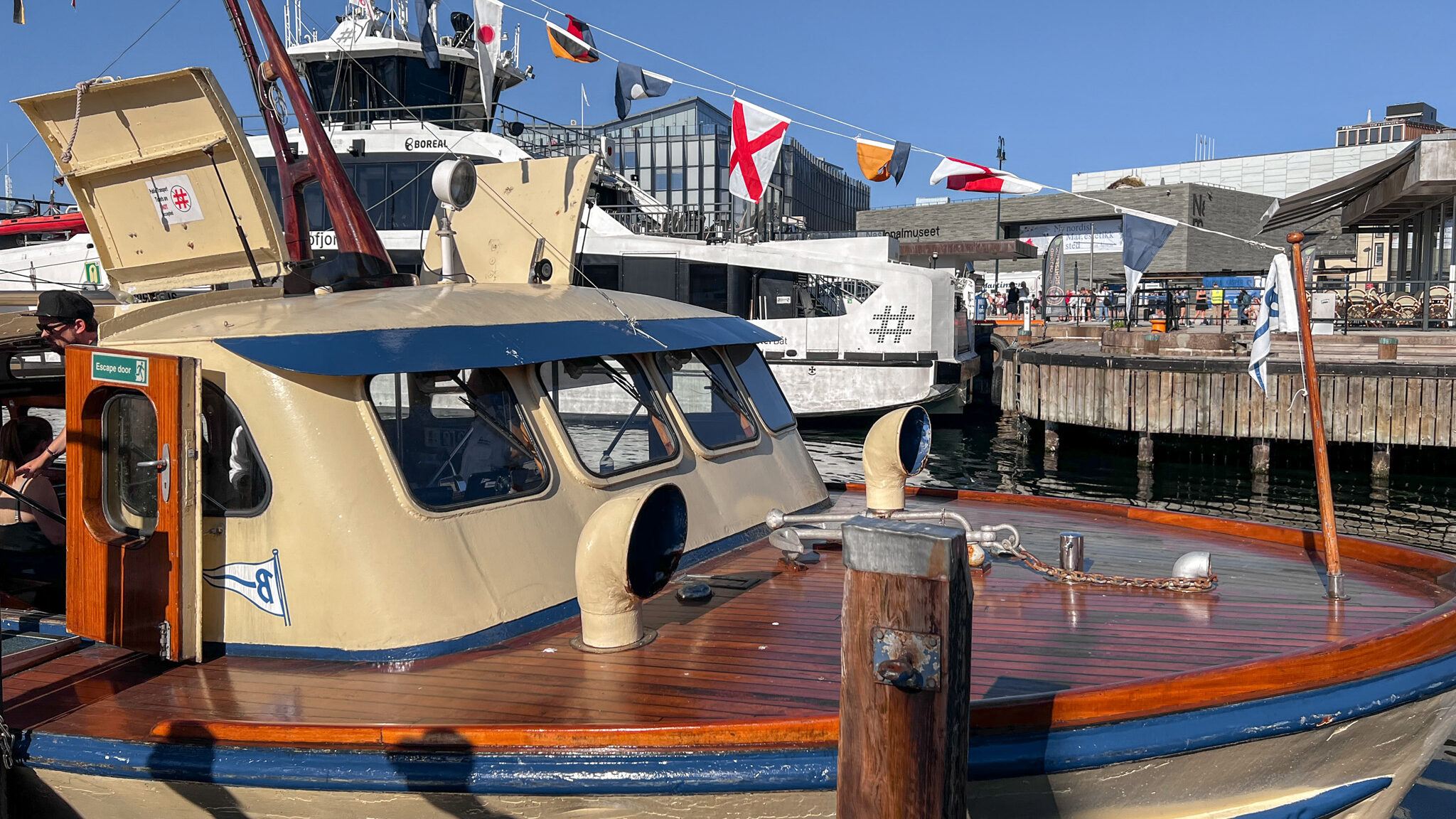
As mentioned above, one of the biggest advantages of purchasing the Oslo Pass is that it includes unlimited travel on the city’s public transportation network within zones 1 and 2. It includes trams, buses, the metro, local trains, and ferries to the Oslofjord islands. This means you can visit Bygdøy and Gressholmen at no extra cost. You can hop on and off as many times as you like using the pass without the need to purchase extra tickets, too. This not only saves money in the long run, but it also makes it more convenient to get around the city. I’d recommend downloading the Oslo Pass app so you always have it ready to use.
Best attractions in Oslo to visit using the Oslo Pass
The Vigeland Museum
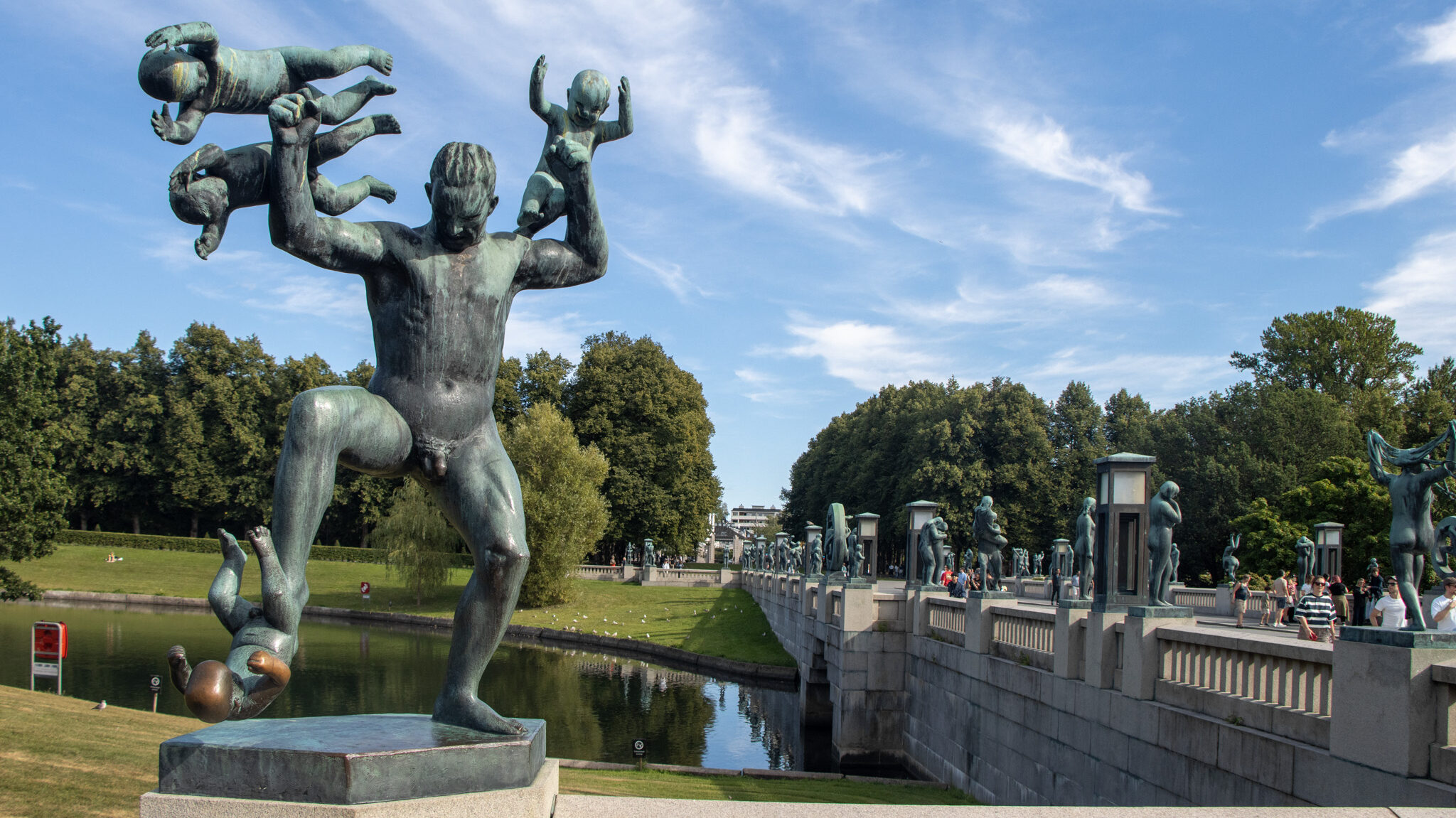
One of the best free things to do in Oslo is visiting the Vigeland Sculpture Park. But did you know there’s a museum about these sculptures, too? The Vigeland Museum is dedicated to Gustav Vigeland, Norway’s most famous sculptor. The museum is located inside his former residence and studio, and it offers a deeper look into the artist. Visitors can learn more about his creative process and look at sketches, models, and finished works. Highlights of the museum include the artist’s personal studio space, preserved as it was when he was alive, and early sculptures. This museum in Oslo pairs perfectly with a trip to the Vigeland Sculpture Park.
Entry costs 120 NOK (€10) for an adult ticket without the Oslo Pass.
Museums in Bygdøy
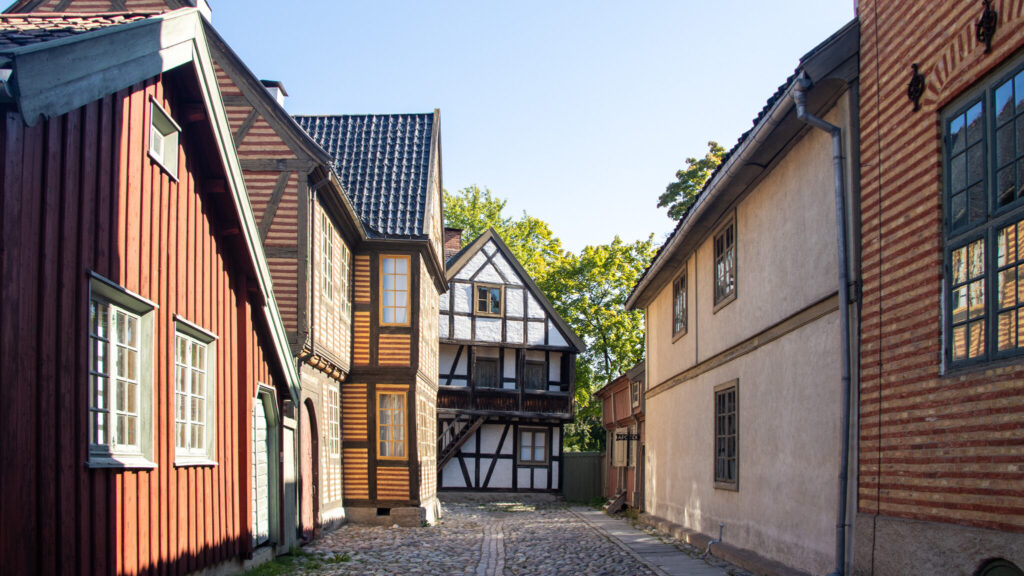
If you’re a fan of visiting museums, you’ll find a lot of unique ones in Bygdøy. This scenic peninsula is one of the best places to use your Oslo Pass, as it’s home to several of the top museums in Oslo. My personal favourite is the Norsk Folkemuseum, where you can walk through Norwegian history and see a stunning historic stave church. Other museums to consider here include the Fram Museum, where you can see a polar expedition ship, the Kon-Tiki Museum, the Norwegian Maritime Museum, and the Holocaust Center. The Viking Ship Museum is also located on Bygdøy, however, it’s closed for renovations until 2027.
Here are the prices of the museums on Bygdøy without the Oslo Pass:
- Norsk Folkemuseum (200 NOK/€18)
- Holocaust Center (120 NOK/€10)
- Norwegian Maritime Museum (180 NOK/€16)
- Fram Museum (180 NOK/€16)
- Kon Tiki Museum (140 NOK/€12)
MUNCH Museum
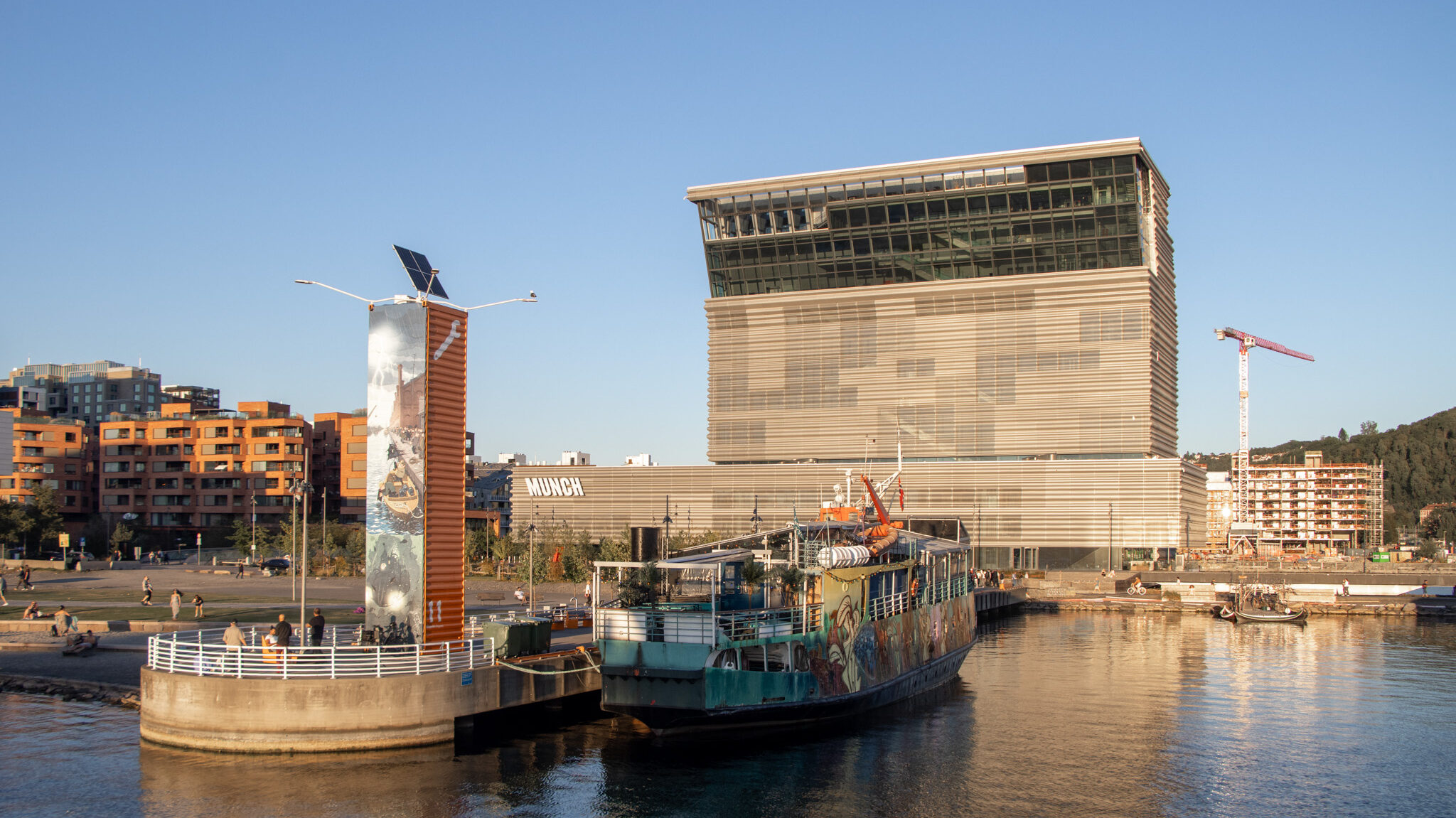
A major attraction not to be missed in Oslo is the MUNCH Museum. It’s home to the largest collection of works by Edvard Munch, including a few variations of The Scream that can be viewed throughout the day on rotation. You’ll also find thousands of other pieces of his artwork spread across multiple floors, with some temporary exhibitions, so there’s always something new to see. Even if you’re not into art, coming to the MUNCH Museum for even an hour is a great way to use your Oslo Pass.
Recently, the museum has moved to a striking modern building along the waterfront, just a short walk from the Oslo Opera House. From the top floor, you’ll have an incredible view of the cityscape, and there’s a nice cafe on the ground floor too, where you can grab a quick snack or a drink before continuing your tour of Oslo.
Entry costs 220 NOK (€20) for an adult ticket without the Oslo Pass.
Akershus Fortress
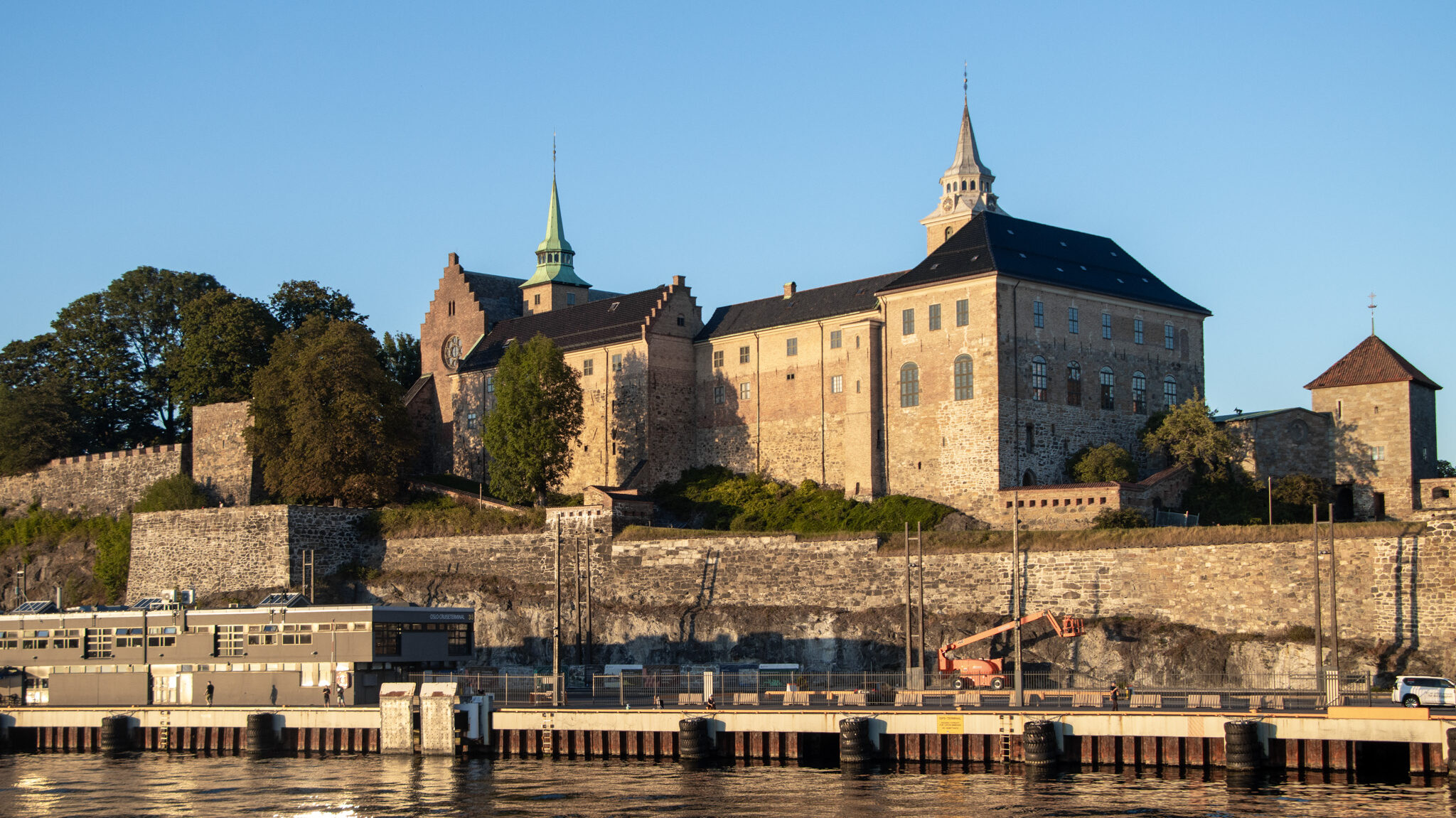
Whether you’re spending a weekend in Oslo or four days in Oslo, Akershus Fortress needs to be on your itinerary. This medieval fortress has protected the city for over 700 years, perched above the waterfront with stunning views over the Oslofjord. It’s considered one of the city’s most iconic landmarks, and the great thing is that visitors can walk around its grounds for free. However, the castle’s interior and museums require a paid ticket to enter.
If you’re short on time, I’d recommend exploring the grounds of the fortress only. You should go inside the Norwegian Armed Forces Museum, though, which is a great free thing to do in Oslo. The inside of the castle will provide you with a better understanding of Norway’s military and royal history, so it’s worth adding to your itinerary, especially with the Oslo Pass.
Entry costs 160 NOK (€14) for an adult ticket without the Oslo Pass.
Norway’s Resistance Museum
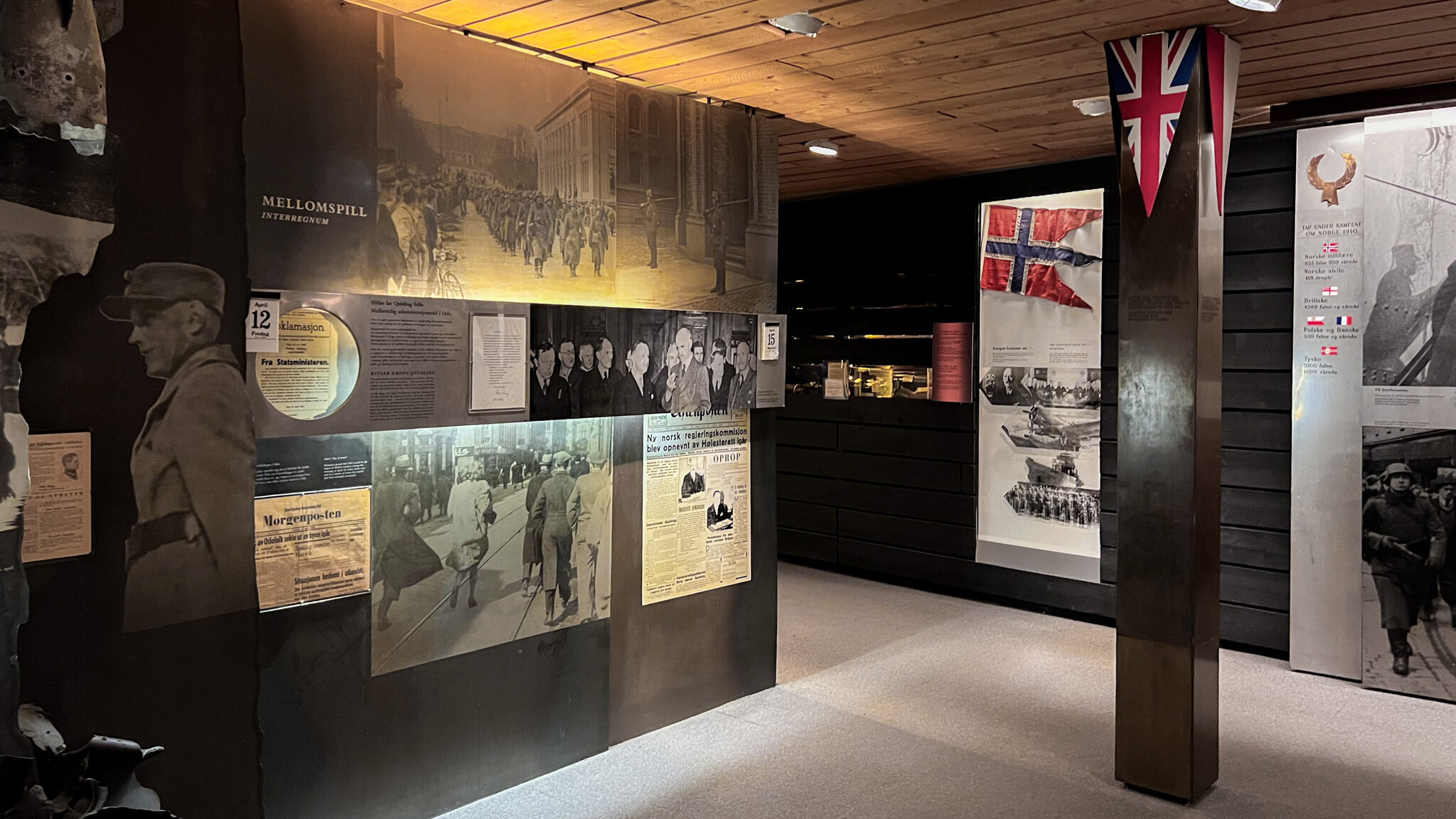
Within the grounds of Akershus Fortress, is where you’ll find Norway’s Resistance Museum. This museum focuses on Norway’s role during World War II and the country’s resistance movement. It’s only a small museum in Oslo, but through artifacts and detailed exhibits, visitors can learn about the challenges Norway faced during the Nazi occupation. While I wouldn’t say this is one of the best things to do in Oslo, it’s certainly worth adding to your list if you’re interested in history.
Entry costs (200 NOK/€18) for an adult ticket without the Oslo Pass.
IBSEN Museum and Theater
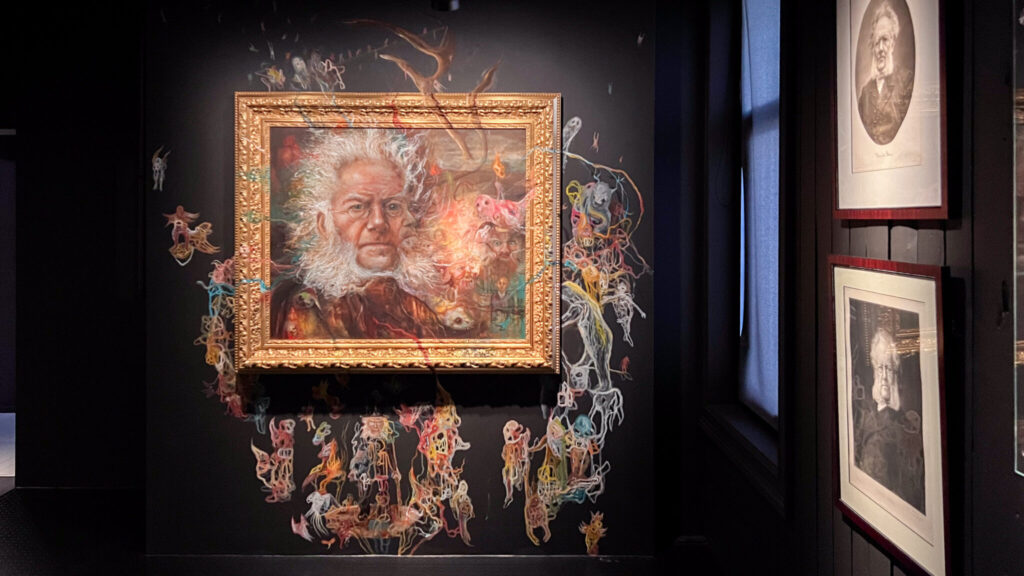
Another museum that may not be on everyone’s list of things to do in Oslo is the IBSEN Museum & Theatre. It’s very small, so it doesn’t take long to go around. However, it does require a guided tour to access the apartments, so you may need to plan ahead of time to ensure you’re able to enter.
The museum is set inside the former home of the playwright, Henrik Ibsen, and it provides visitors with a look at his life and work. His home has been beautifully preserved, and before entering it, you can look around a small exhibit at your own pace. This exhibit is accessible without joining the guided tour, but it’s better to do both if you can.
Entry costs (195 NOK/€17) for an adult ticket without the Oslo Pass.
Nobel Peace Center
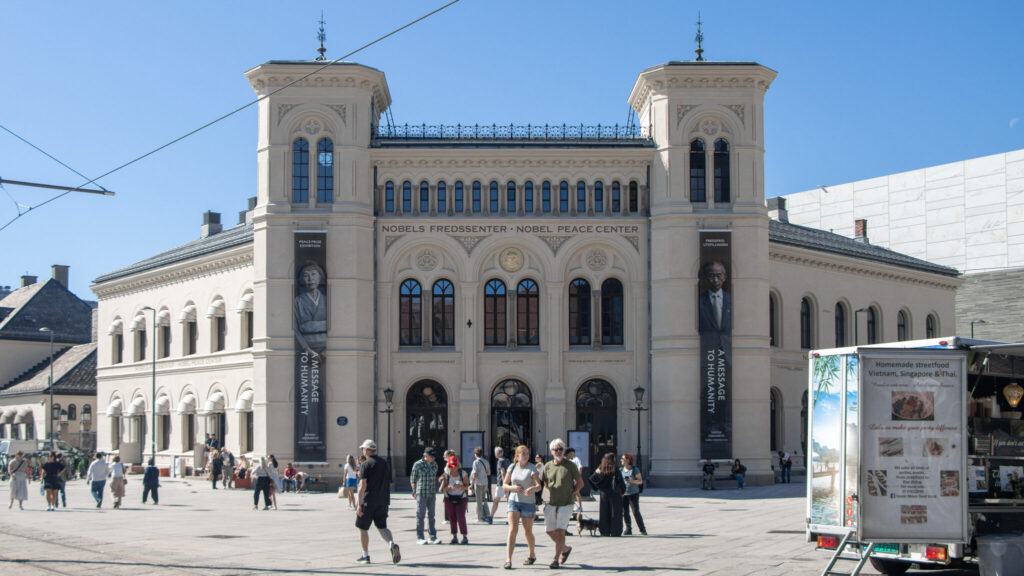
If you’re planning to spend most of your time walking around Oslo’s city centre, a trip to the Nobel Peace Center is essential. This unique museum celebrates the Nobel Peace Prize and its laureates, with a focus on human rights and global peace efforts. Inside, visitors can enjoy a mix of digital installations, interactive exhibits, and personal stories, which make it one of the most engaging modern museums in the city.
This museum isn’t for everyone, but I would recommend spending at least 30 minutes inside if you’ve already purchased the Oslo Pass. Its central location next to the waterfront makes it very easy to add to any itinerary.
Entry costs (180 NOK/€16) for an adult ticket without the Oslo Pass.
National Museum
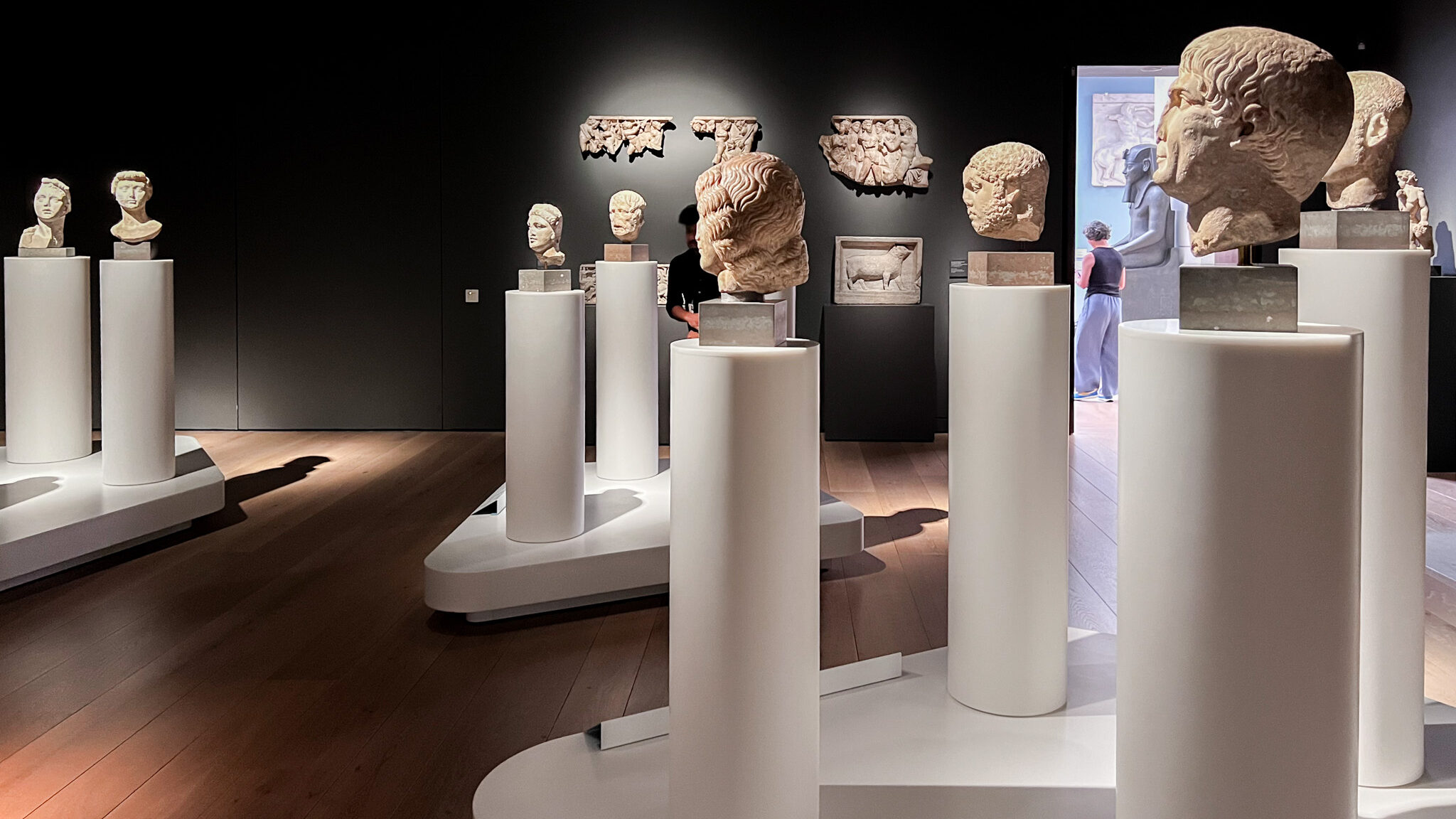
Located behind the Nobel Peace Center is the National Museum, which is the largest art museum in the region. It’s home to a massive collection of Norwegian and international art, including another variation of The Scream. It’s worth going inside to see this artwork if you don’t have time to visit the MUNCH Museum. You can easily spend a full day exploring the National Museum, which has everything from classical paintings and sculptures to contemporary designs.
Entry costs (200 NOK/€18) for an adult ticket without the Oslo Pass.
Holmenkollen Ski Museum

While the Holmenkollen Ski Museum may take the most time to get to, it’s definitely one of the best museums in Oslo. This museum is dedicated to the skiing culture in Norway, with over 4,000 years of skiing history on display through various exhibits. You can see a pair of ancient skis on display, as well as modern Olympic memorabilia. The highlight for most visitors, though, is taking the lift to the top of the ski jump for the best views over the city. Make sure you visit on a clear day; you won’t be able to enjoy the view properly, if at all, if it’s cloudy or foggy.
Entry costs (200 NOK/€18) for an adult ticket without the Oslo Pass.
Is the Oslo Pass worth it?
So, is buying the Oslo Pass worth it? That depends on what you intend to see during your time in the city. Oslo is known for its high prices, so if you want to explore its main attractions and travel around using public transportation, the pass will probably save you quite a lot of money.
Museum tickets typically cost between €14 to €20 each, which can add up quickly and eat into your budget. Visiting just a few attractions included in the Oslo Pass and using transport regularly will be enough to make the pass pay for itself. Using the pass also makes things more convenient, so if you’re planning to do some sightseeing or it’s your first time in Oslo, purchasing the pass will probably be the best option for you.
If you have any questions about the Oslo Pass, such as how to use it or what the best attractions in Oslo are, please get in touch. You can reach out via email or through the contact form on my website. Don’t forget to follow my travels on Instagram and TikTok as well, where you can find more travel tips and inspiration.
This post may contain affiliate links, which means I may earn a commission from the discount codes used or when a link/ad is clicked. All purchases made will come at no extra cost to you, and I only include products and services that I would personally recommend.
Pin this blog post for later!