
Oslo may be the capital of Norway, but it’s still a highly underrated city in Europe among travellers. It was founded over a thousand years ago, and since then, it’s evolved from a Viking settlement into a vibrant city where modern design is merged with its rich heritage. From exploring medieval fortresses and royal landmarks to visiting unique museums in Oslo and enjoying the scenic waterfront, there’s a lot that this city has to offer. And, despite it being a relatively expensive city, there are many interesting free things to do in Oslo to help keep your budget under control.
Oslo is filled with free public parks, museums, and cultural experiences, making it an ideal destination for all budget-conscious people. If you want to avoid the colder temperatures, I’d recommend visiting between April and November, which is when you’ll find it the most comfortable to walk around. Travellers who are seeking a mix of nature, culture, and affordability need to have Oslo high on their list.
Best free things to do in Oslo, Norway
Akershus Fortress
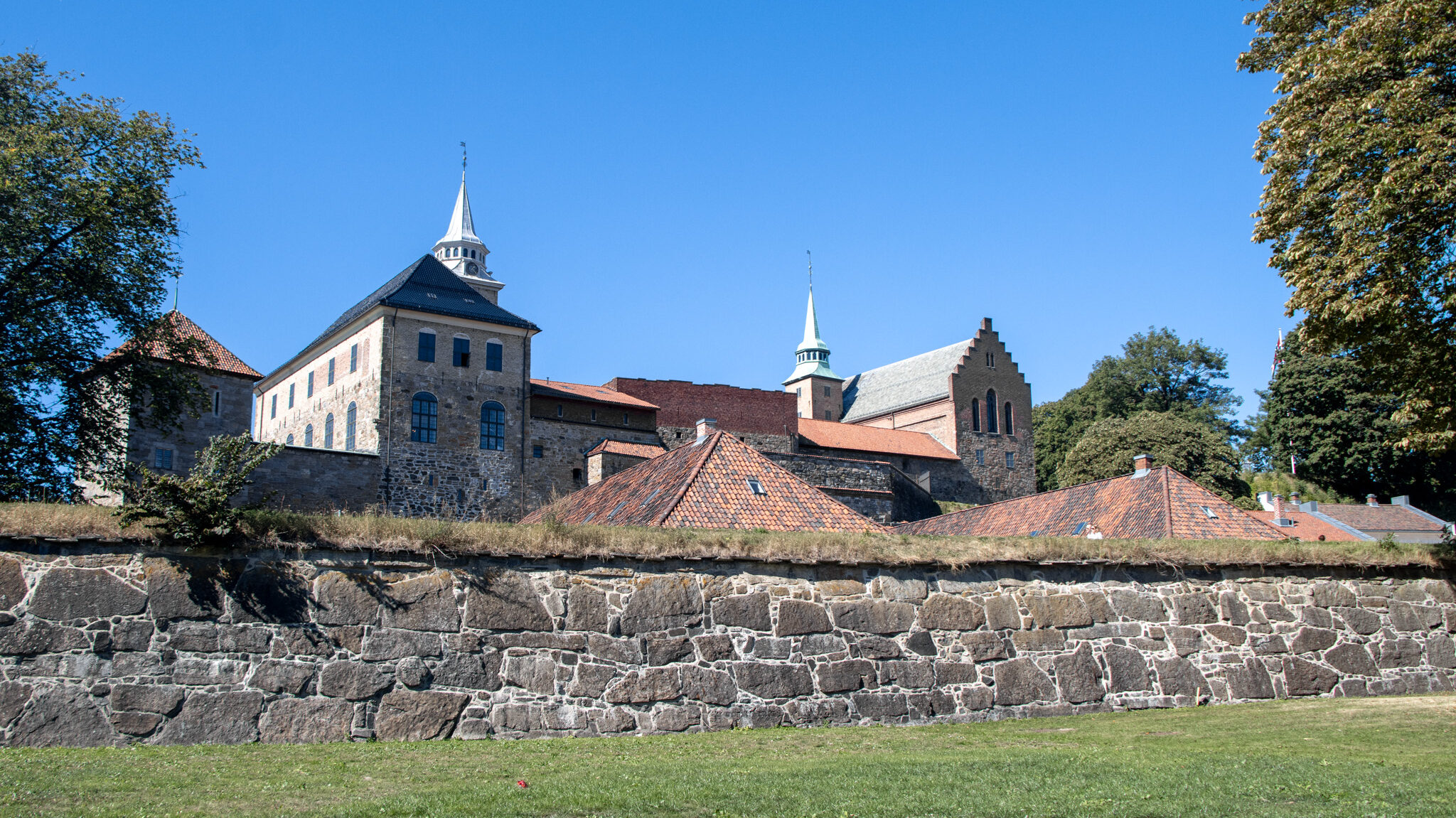
One of the most historically important attractions in Oslo is Akershus Fortress. It was built in the 13th century to defend the city from invasions. Since then, it’s survived numerous sieges, and today it’s completely open to the public. The fortress has served as a military base, royal residence, and a prison, so it’s very interesting to explore both inside and out. This is also where you’ll find a few museums in Oslo that are either free or cost very little to enter.
The grounds of Akershus Fortress are free to access, including the courtyards and many scenic viewpoints. One of my favourite things about the fortress is the stunning panoramic view over the Oslofjord, which is especially nice at sunset. Visiting Akershus Fortress is easily one of the best free things to do in Oslo at any time of the year.
Walk along the harbourfront
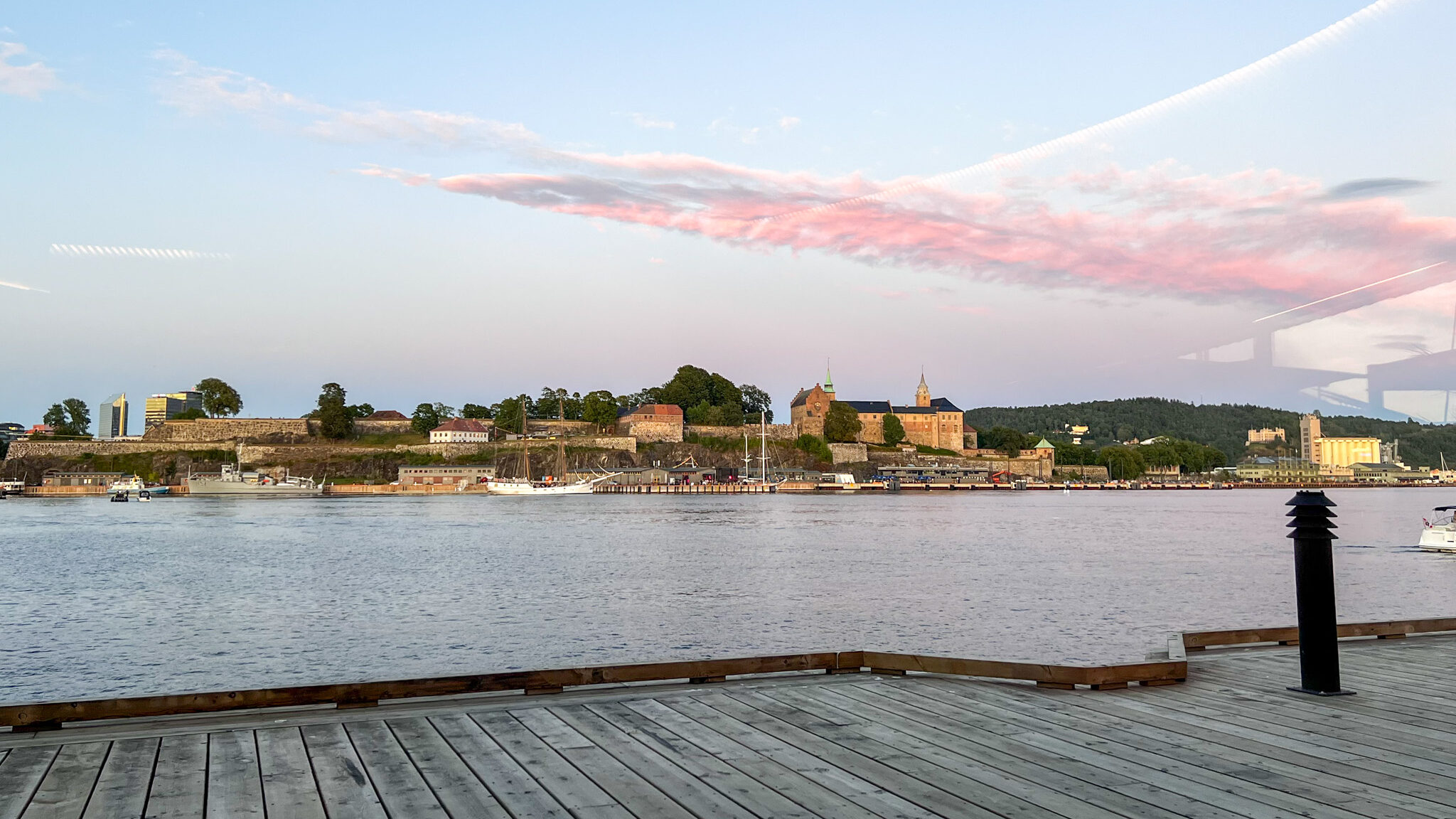
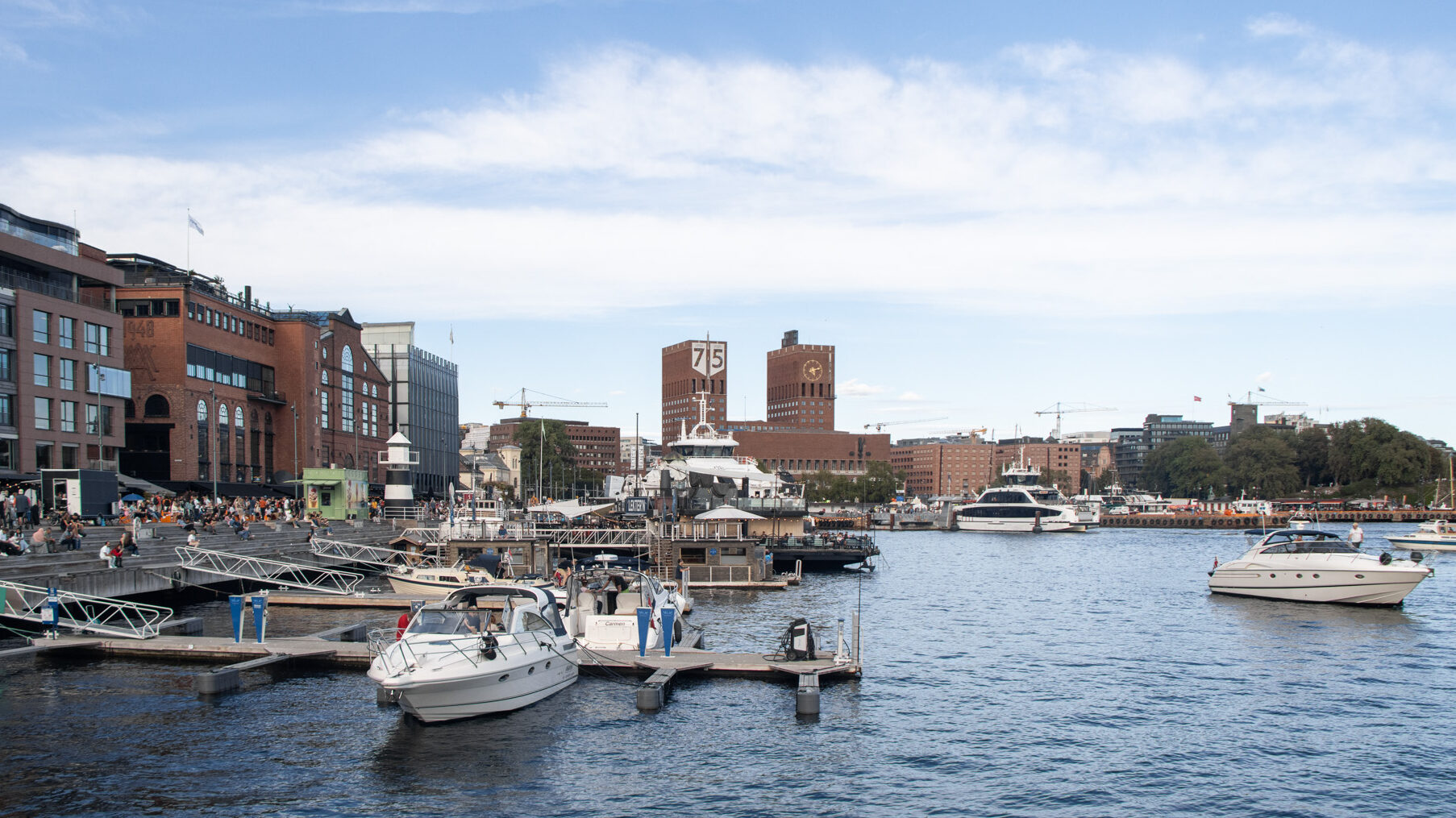
Oslo’s harbourfront was once an industrial dockland, but in recent years it’s been fully transformed into a stunning pedestrian-friendly space where locals and visitors can enjoy scenic views and stop for a bite to eat or a casual drink. My favourite area is Aker Brygge, which is filled with floating walkways, art installations, and unique architecture. If you continue your walk past Aker Brygge, you’ll find it less crowded, especially in the summer months.
Not only is strolling along the harbourfront one of the best free things to do in Oslo, but it’s also where you’ll find connections to the fjord and where the tour boats and dinner cruises in Oslo leave from. Since the harbourfront is centrally located, it’s an ideal place to come after a long day of exploring the city, where you can relax and enjoy the views at sunset.
Oslo Opera House roof
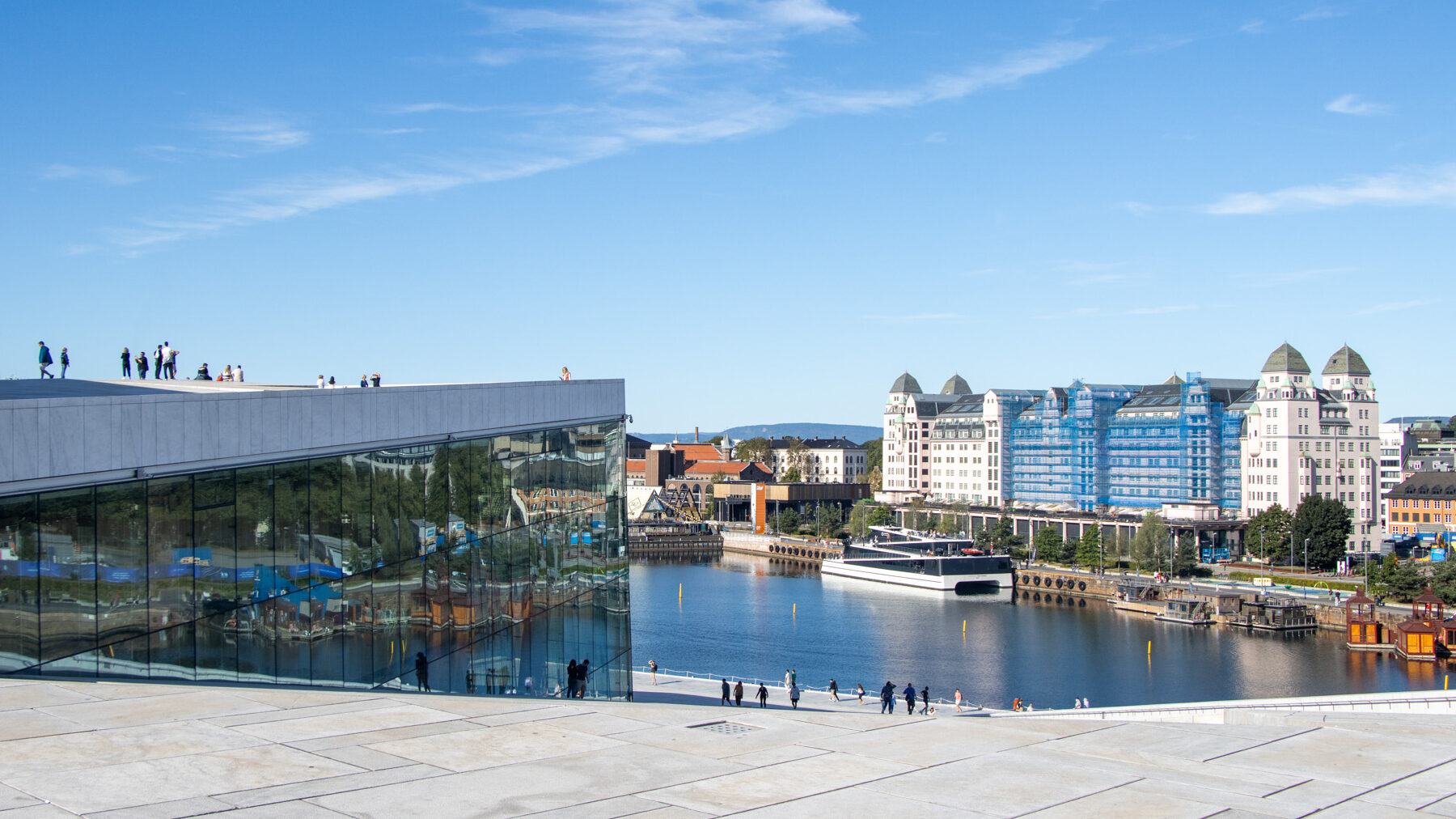
If you’re interested in unique free things to do in Oslo, look no further than the Oslo Opera House. While seeing a show here isn’t free, walking on its roof is. The Oslo Opera House is an iconic symbol of Oslo, appearing to rise directly out of the water like an iceberg. Unlike most cultural venues, visitors are encouraged to interact with the building by walking all the way up to its rooftop to take in the sweeping views of the city and the Oslofjord.
As you can imagine, this is a very popular activity in Oslo to partake in. Because of this, I’d highly recommend arriving as early as possible to beat the crowds and get the perfect photo. If you can’t visit early in the day, the changing light throughout the day provides a different feel depending on when you visit. The Oslo Opera House is located very close to Oslo Central Station, too, so it’s very accessible and a great way to start your list of free things to do in Oslo.
Find some historic streets
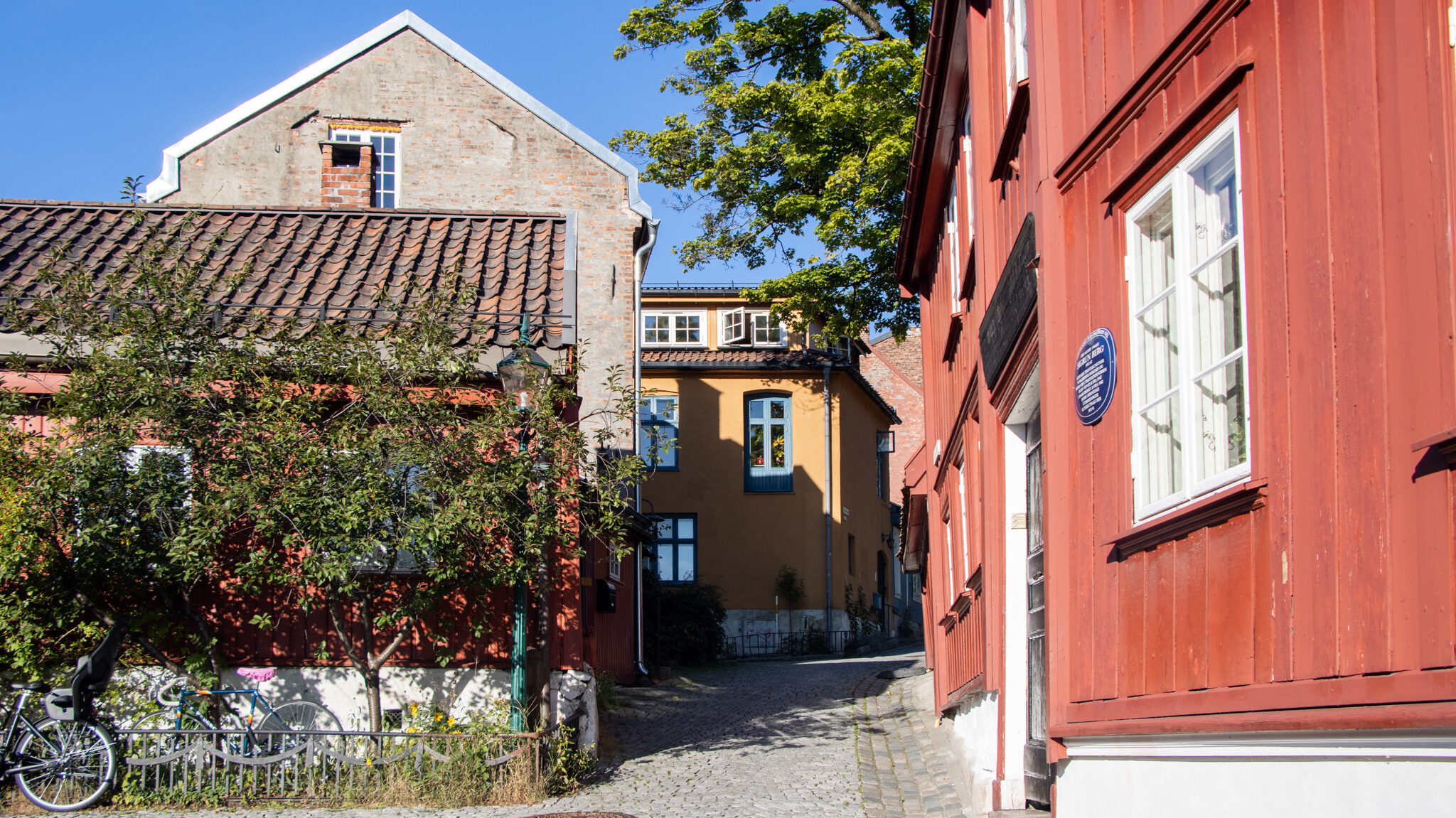
Oslo is very well known for its modern architecture, but that doesn’t mean its historic buildings are completely non-existent. Streets such as Telthusbakken and Damstredt are perfect for photos, lined with beautifully preserved wooden houses that have been colourfully painted. These streets provide a rare insight into what Oslo looked like in the 18th and 19th centuries.
Both streets are worth visiting if you have the time, and they’re located just a short distance from the city centre. If you do visit, please keep in mind that it’s a residential area, so be respectful of the buildings and try not to make too much noise.
Walk along the Akerselva River
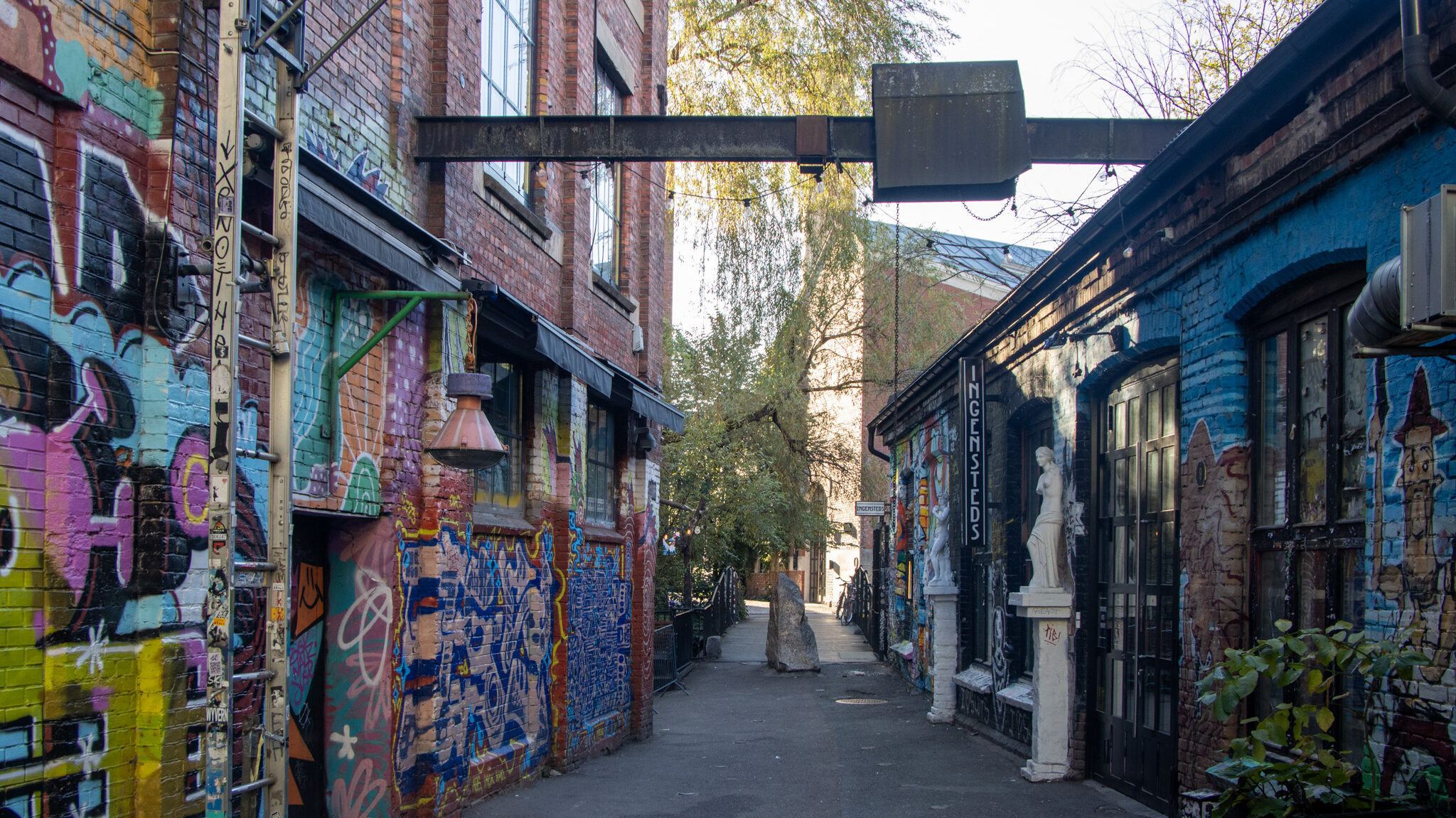
Those of you who enjoy walking may want to add the Akerselva River to your itinerary. This river walk stretches for around 8 km and passes by industrial-era landmarks, parks, beautiful neighbourhoods, and waterfalls. Following the riverside path is one of the top free things to do in Oslo, and it will bring you further away from the main tourist routes.
Along the way, you’ll come across the Grünerløkka neighbourhood, which is home to Brenneriveien – a famous street known for its artwork and grungy appearance. This is one of my favourite areas of Oslo outside of the city centre. If you don’t have time to walk the entire trail, you can pick it up at various points along the way as it’s easily accessible.
Karl Johans Gate
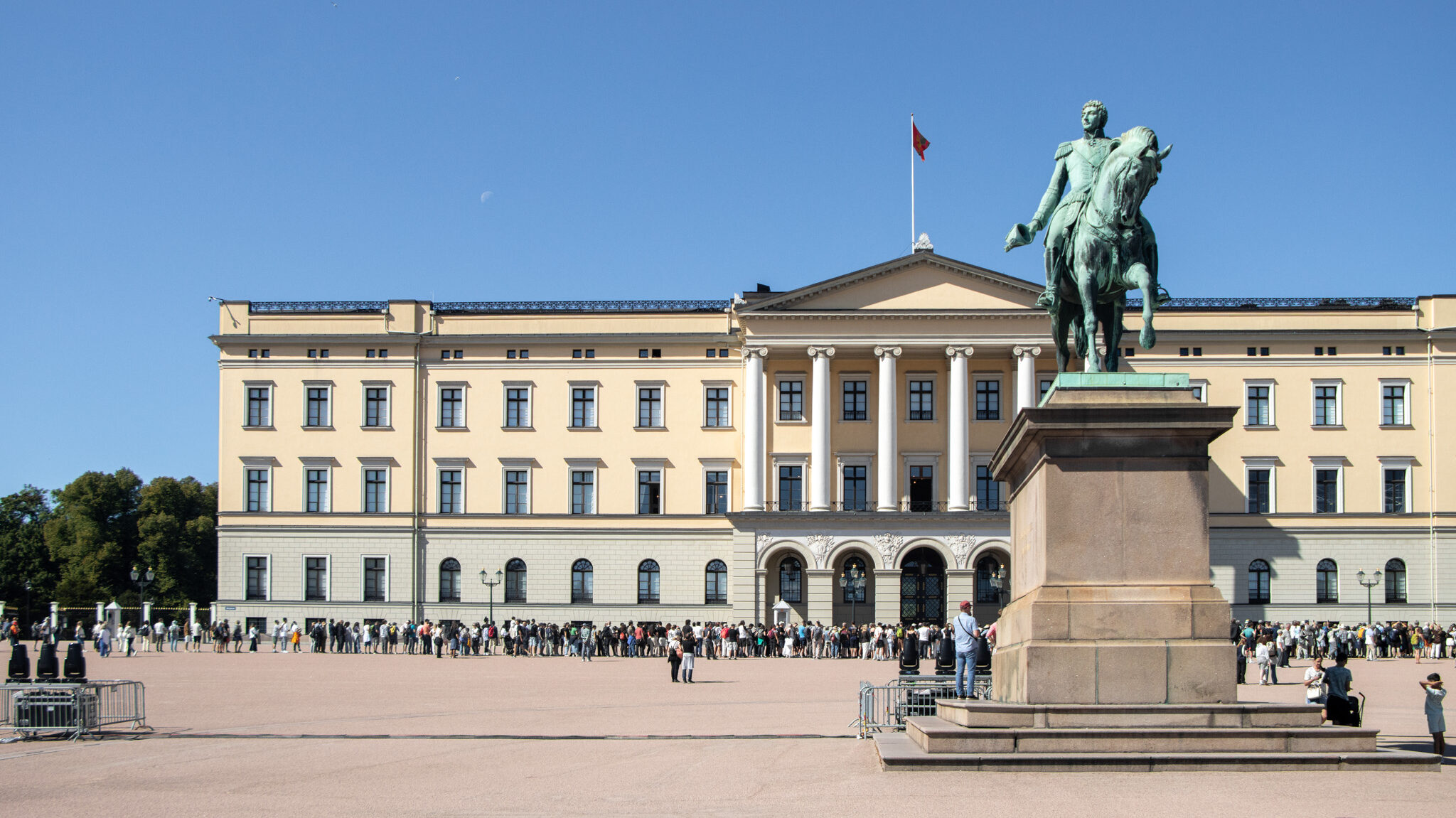
If you’re only spending a weekend in Oslo, you’ll probably want to see as many landmarks as possible. A great place to start is Karl Johans Gate, which stretches from the Royal Palace down to Oslo Central Station. This famous street is lined with historic buildings, cafes, and shops, on top of landmarks, so it’s always a busy area with lots going on.
Notable landmarks along Karl Johans Gate include the Stortinget, the National Theatre, Oslo Cathedral, and, of course, the Royal Palace. In the warmer months, you may even see events or street performances taking place here. Since it’s centrally located, you’ll no doubt walk along it more than once during your trip to Oslo.
Vigeland Sculpture Park
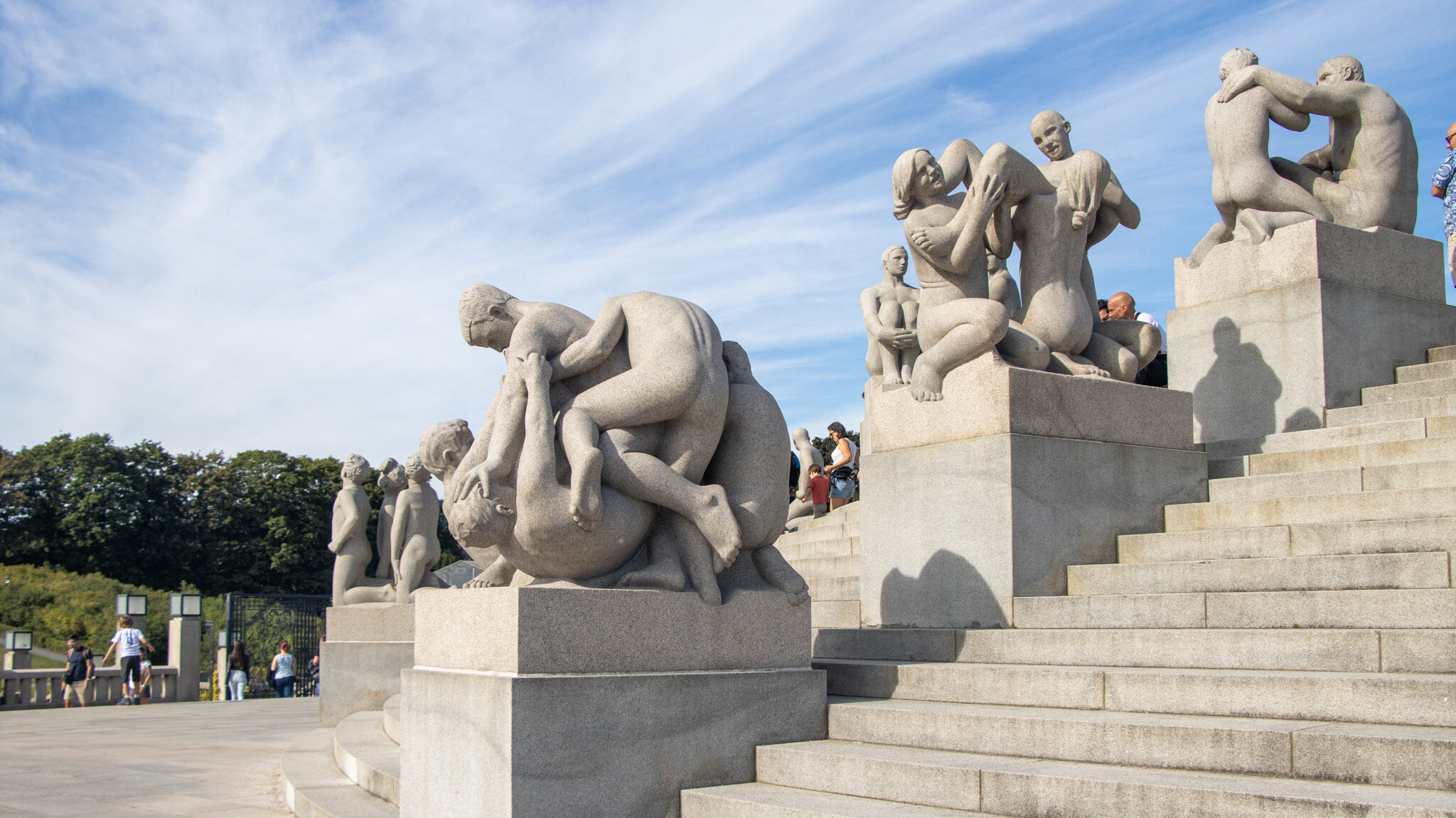
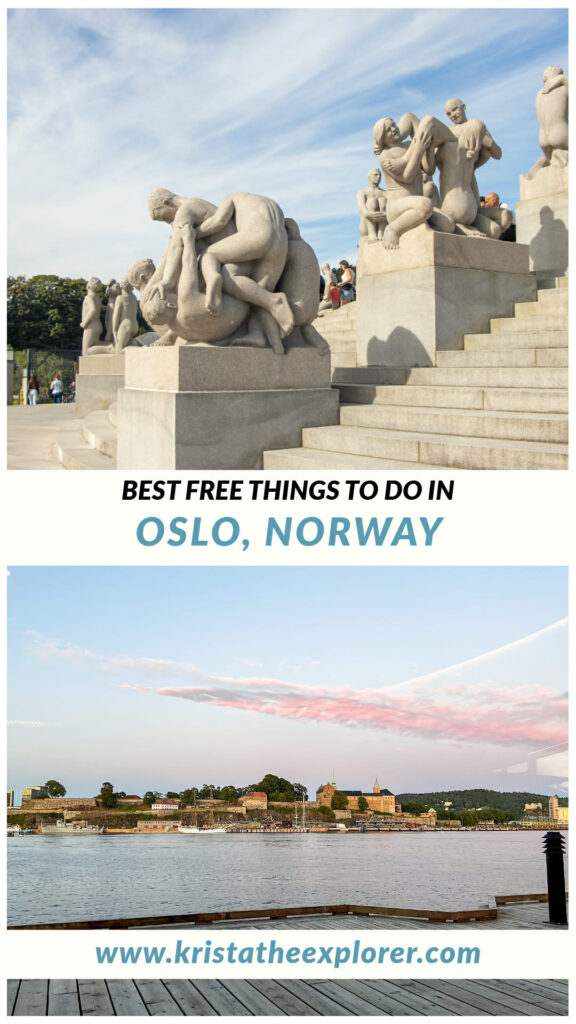
There are a lot of unique things to do in Oslo throughout the year, but visiting the Vigeland Sculpture Park might be the best of them all. It’s one of the largest sculpture parks in the world dedicated to a single artist, featuring over 200 sculptures that explore themes of human life and emotion. This may seem like something you need to pay to see, but the Vigeland Sculpture Park ranks highly among the top free things to do in Oslo.
The highlight of the park is the Monolith that’s carved from a single block of stone. There are several other notable sculptures to admire, too, such as the Angry Boy statue, which has become somewhat of an unofficial symbol of the park. I’d recommend hopping on a tram or bus to get to the Vigeland Sculpture Park, as it’s quite a distance from the city centre.
Oslo City Hall
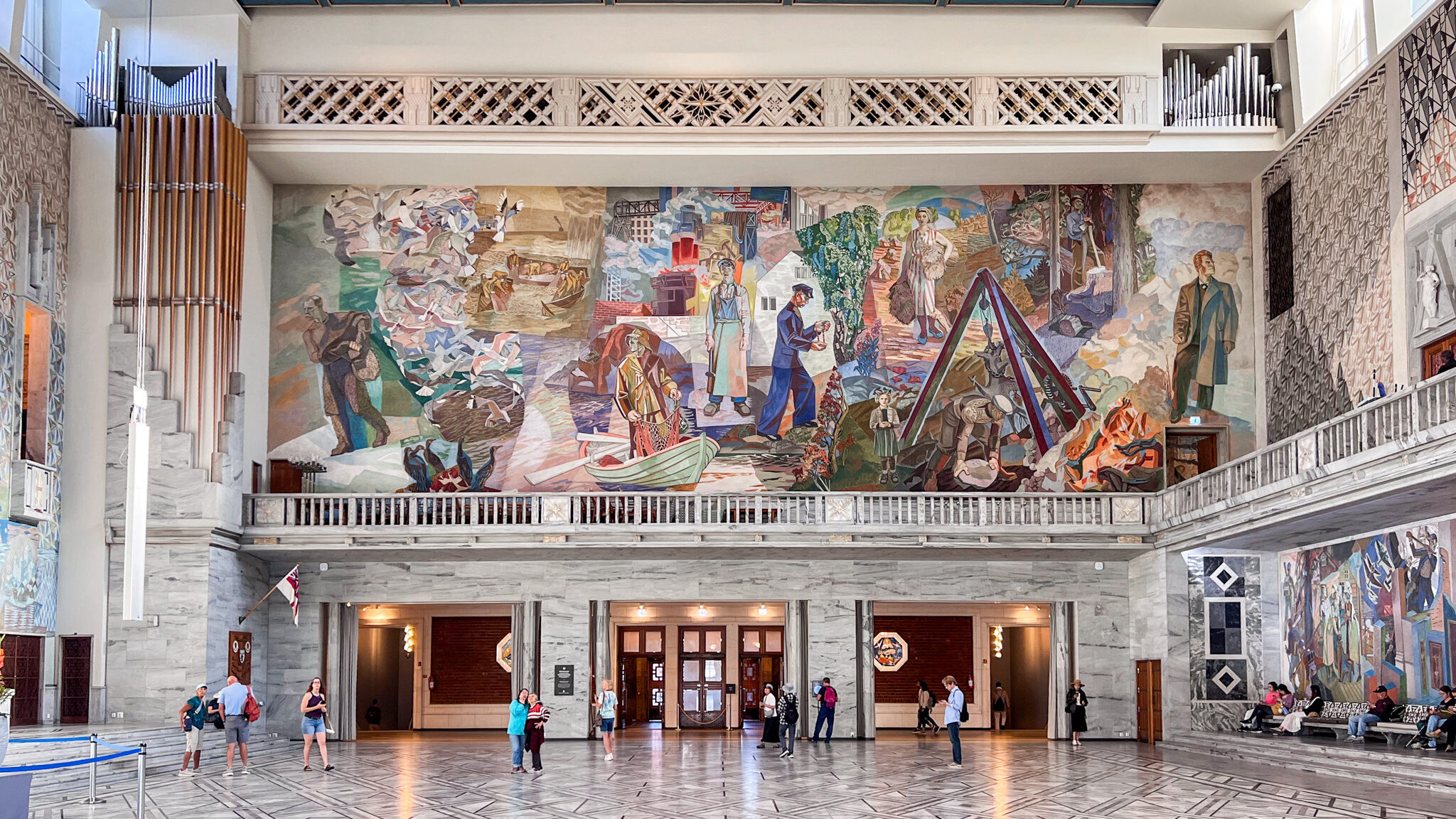
While spending time along the harbourfront, don’t forget to head inside Oslo City Hall. This may not sound very interesting, however, once you step inside, you’ll soon realize why it’s considered one of the best free things to do in Oslo. The building was completed in the 20th century, and it’s well known for being the location of the Nobel Peace Prize ceremony held annually.
My biggest advice is to arrive when it opens to avoid the large queue that forms by midday. Inside, visitors can explore the large main hall that’s adorned with colourful murals featuring scenes from Norwegian life, history, and mythology. Oslo City Hall is an easy stop to make if you’re in the city centre, so make sure it’s on your list of things to do in Oslo.
Changing of the guard
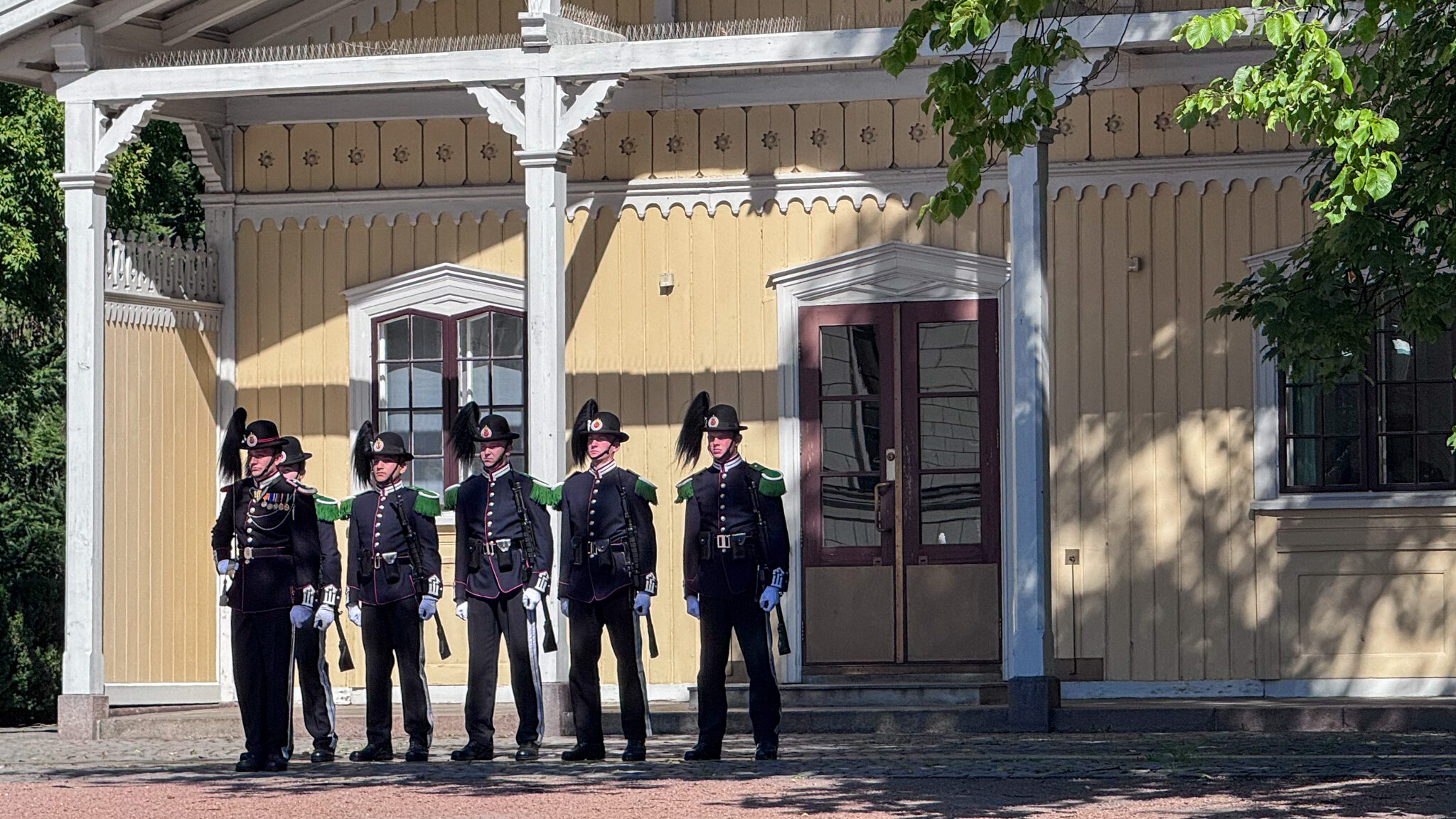
A big highlight of any trip to Oslo is visiting the Royal Palace. Whether you buy a ticket to explore its rooms inside or not is up to you. If you’re visiting Oslo on a budget, you may just want to walk around its exterior instead. It’s a good idea to time your visit with the changing of the guard ceremony, which takes place daily at 13:30 and lasts around 40 minutes.
The ceremony is very similar to those in other European capitals, but it’s the location that adds to the charm. Once you’ve watched the ceremony, you can then make your way to the surrounding gardens for a stroll. The changing of the guard in Oslo is a popular event, so if you want to get a good view, arriving 30 minutes early is recommended.
Where to stay in Oslo
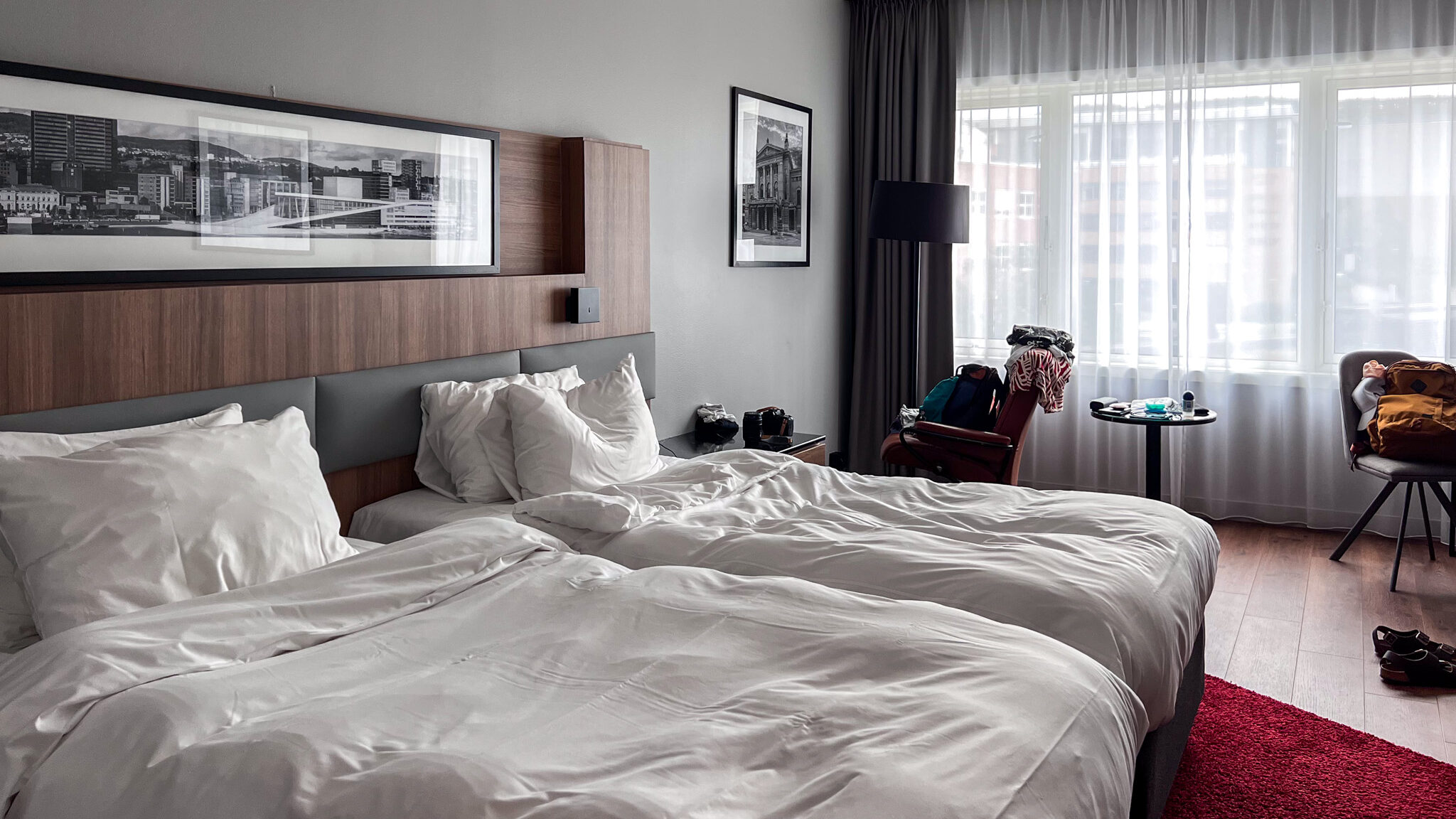
When looking at where to stay in Oslo, the best option for many people is the city centre. Budget-friendly and mid-range hotel options like Karl Johan Hotel or the K7 Hotel Oslo are great options that are within walking distance of many of the main sights and transport hubs. Alternatively, you can stay a short tram ride from the centre to save money. The Radisson Blu Nydalen Hotel is set along the Akerselva River, so it’s much quieter while still being well-connected to the city centre. This is where we stayed during one of our trips to Oslo, and it turned out to be the perfect option.
Is Oslo worth visiting?
Is Oslo worth visiting? In my opinion, that’s a big yes. Oslo is a destination that perfectly blends history, culture, and nature in a way that many European capitals don’t. It offers a relaxed atmosphere with world-class architecture and easy access to the fjords and nearby nature spots. Add to this that there are many free things to do in Oslo as well, and the city becomes far more accessible and budget-friendly than it gets credit for. If you’re looking for a trip that’s a little different, with fewer crowds but plenty of things to do, Oslo is definitely worth adding to your travel plans.
If you have any questions about visiting the Norwegian capital or other free things to do in Oslo, please get in touch. You can reach out via the contact form on my website or by email, and I’ll reply as soon as possible. Don’t forget to follow along with my travels on Instagram and TikTok as well, where you’ll come across more helpful travel tips and ideas about where to explore next.
This post may contain affiliate links, which means I may earn a commission from the discount codes used or when a link/ad is clicked. All purchases made will come at no extra cost to you, and I only include products and services that I would personally recommend.
Pin this blog post for later!