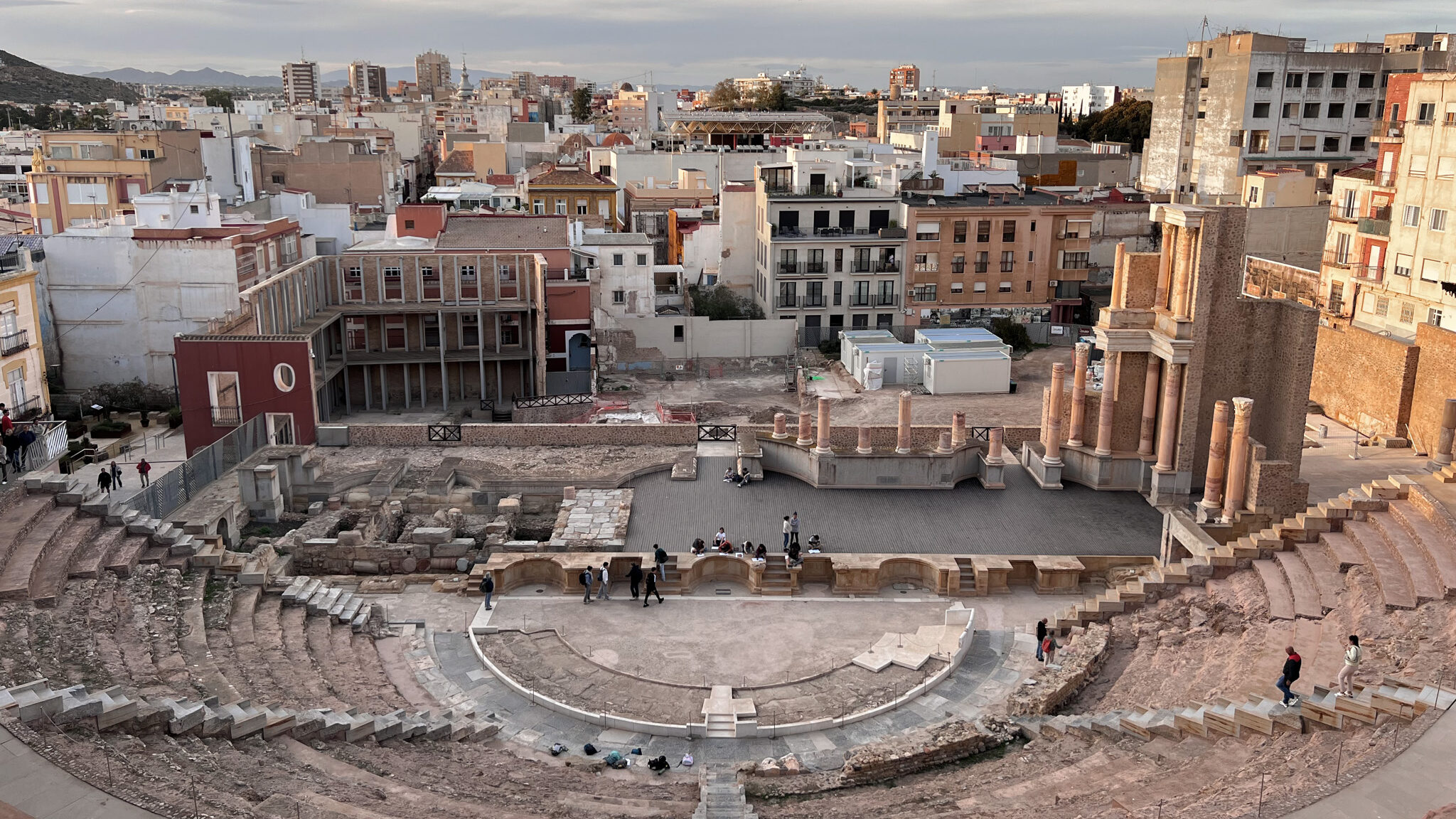
On the southeastern coast of Spain sits the ancient port city of Cartagena – one of the oldest continuously inhabited settlements in the country. It was originally founded by the Carthaginians in the 3rd century BC, and later it was transformed into a key stronghold for the Romans. With over 2,000 years worth of history to explore, it’s easy to see why its layered past still shapes the modern city. From the beautifully preserved Roman theatre to the city’s historic defensive walls and its modern port area, there are a lot of things to see and do in Cartagena, Spain.
Although it has a unique history and offers visitors a stunning coastal setting, Cartagena still flies under the radar compared to other coastal destinations such as Malaga and Cadiz. Many travellers pass through Murcia province for its beaches, or they head straight to Andalusia. This means there’s a relative lack of mass tourism in Cartagena, which is what makes it a very appealing part of Spain to explore at any time of the year.
Where is Cartagena, Spain?
As mentioned above, Cartagena is located on Spain’s southeastern coast, sitting within the autonomous Region of Murcia. The city is situated within a naturally sheltered bay surrounded by low hills, which is a key reason it was such a strategically important naval port for centuries. Today, Cartagena is a popular place to add to beach-oriented itineraries, but it also serves as a historic cultural stop between popular Spanish destinations like Almeria and Alicante.
Best things to do in Cartagena (Murcia), Spain
Teatro Romano de Cartagena
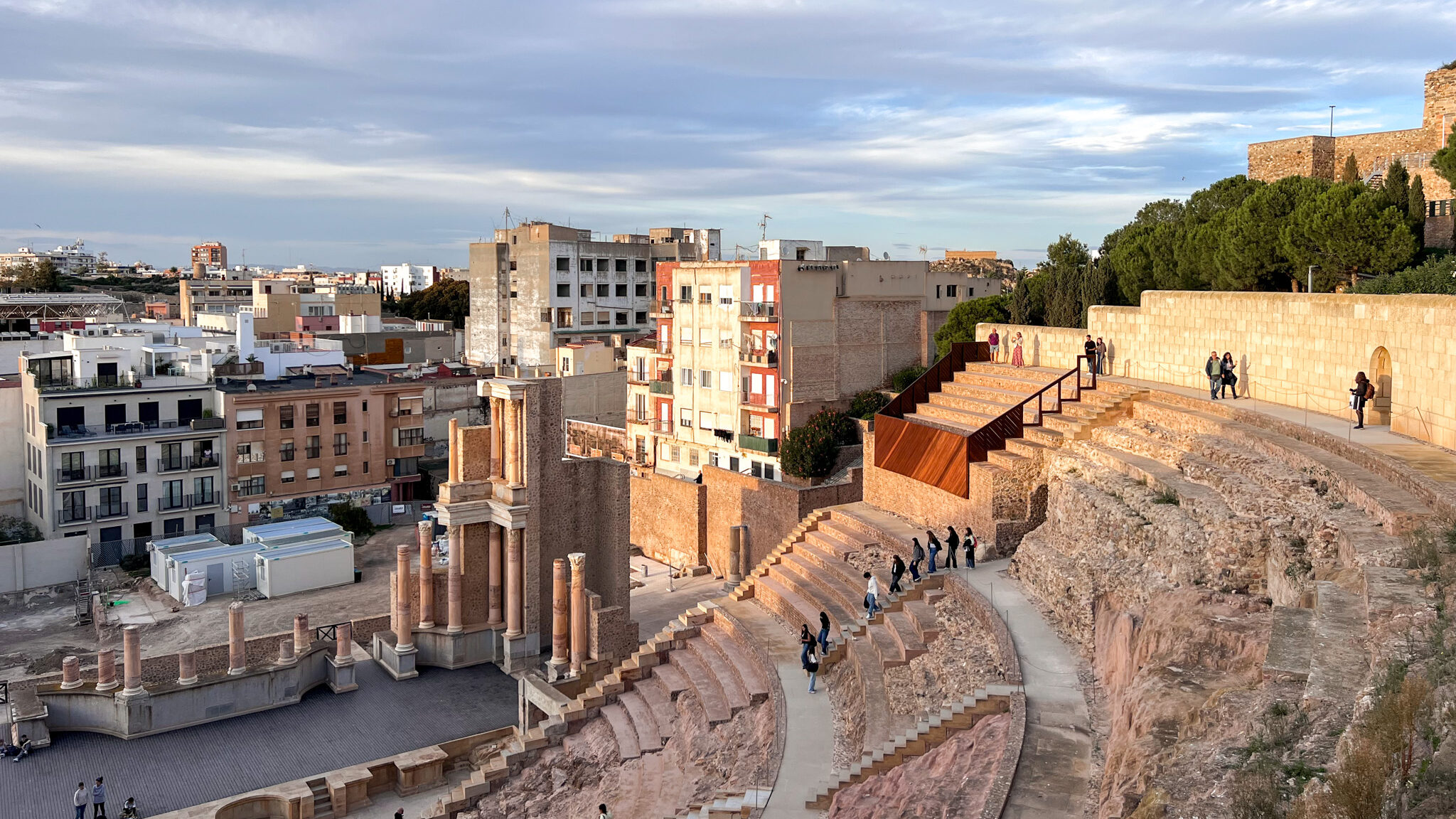
There are a lot of interesting things to do in Cartagena, Spain, but one attraction you shouldn’t miss is the Teatro Romano de Cartagena. This Roman theatre was built in the 1st century BC, during the reign of Emperor Augustus. It still stands as one of the most impressive archaeological discoveries in Spain, hidden for centuries beneath newer buildings. The theatre once seated approximately 6,000 spectators, and it formed part of the Roman colony of Carthago Nova (New Carthage).
Today, visitors can walk through the ancient stage area and seating tiers thanks to careful restoration works. The site is paired with a museum that helps people understand what they’re seeing before they enter the open-air theatre. I’d recommend visiting the Roman theatre near sunset when the lighting is softer and there are fewer crowds. If you don’t want to pay to go inside the theatre, you can climb a set of steps on the outside of it to get a fantastic view of the complex from above.
Catedral de Santa Maria
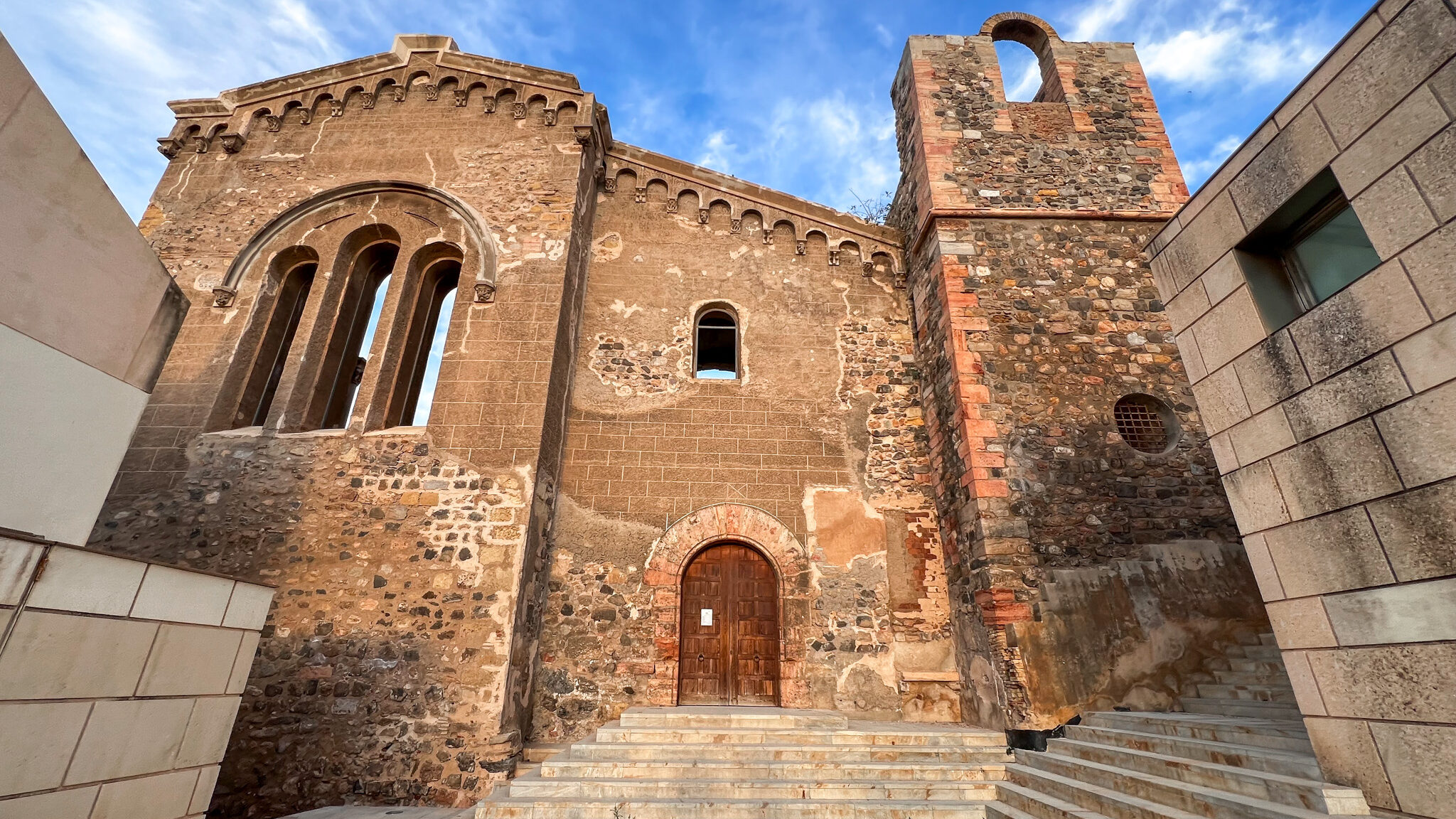
One site that visitors often miss is the Catedral de Santa Maria. It was originally constructed in the 13th century at the side of the Roman theatre, after the Christian reconquest. Over the centuries, it has undergone several architectural changes, and it was heavily damaged during the Spanish Civil War; it has since been largely left unrestored. Entry to the cathedral is usually restricted due to preservation work, but it’s very easy to view it from both inside and outside the Roman theatre.
Immerse yourself in Cartagena’s Roman past
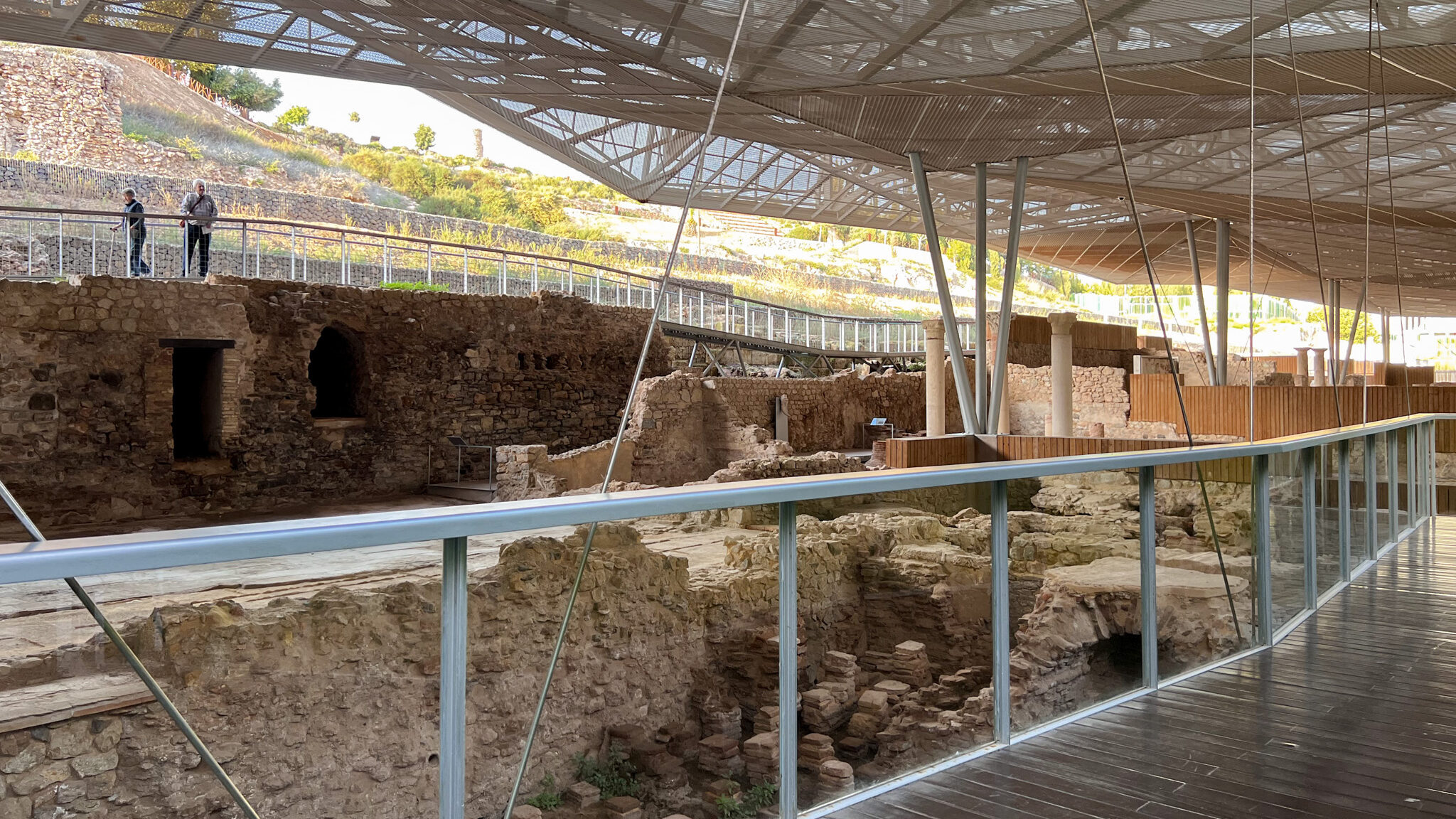
If there’s one thing Cartagena isn’t short of, it’s Roman ruins. Beyond its famous Roman theatre, the Molinete Roman Forum is another fantastic historic attraction in Cartagena to visit. It stands as one of the largest Roman archaeological zones in Spain, and the Forum Museum is where many of the archaeological finds are on display. I’d recommend planning at least 2 hours here if you want to see the complex in its entirety.
To save money, you can combine your ticket with other Roman sites as well as a transportation pass.
Find the Estatua De Augusto
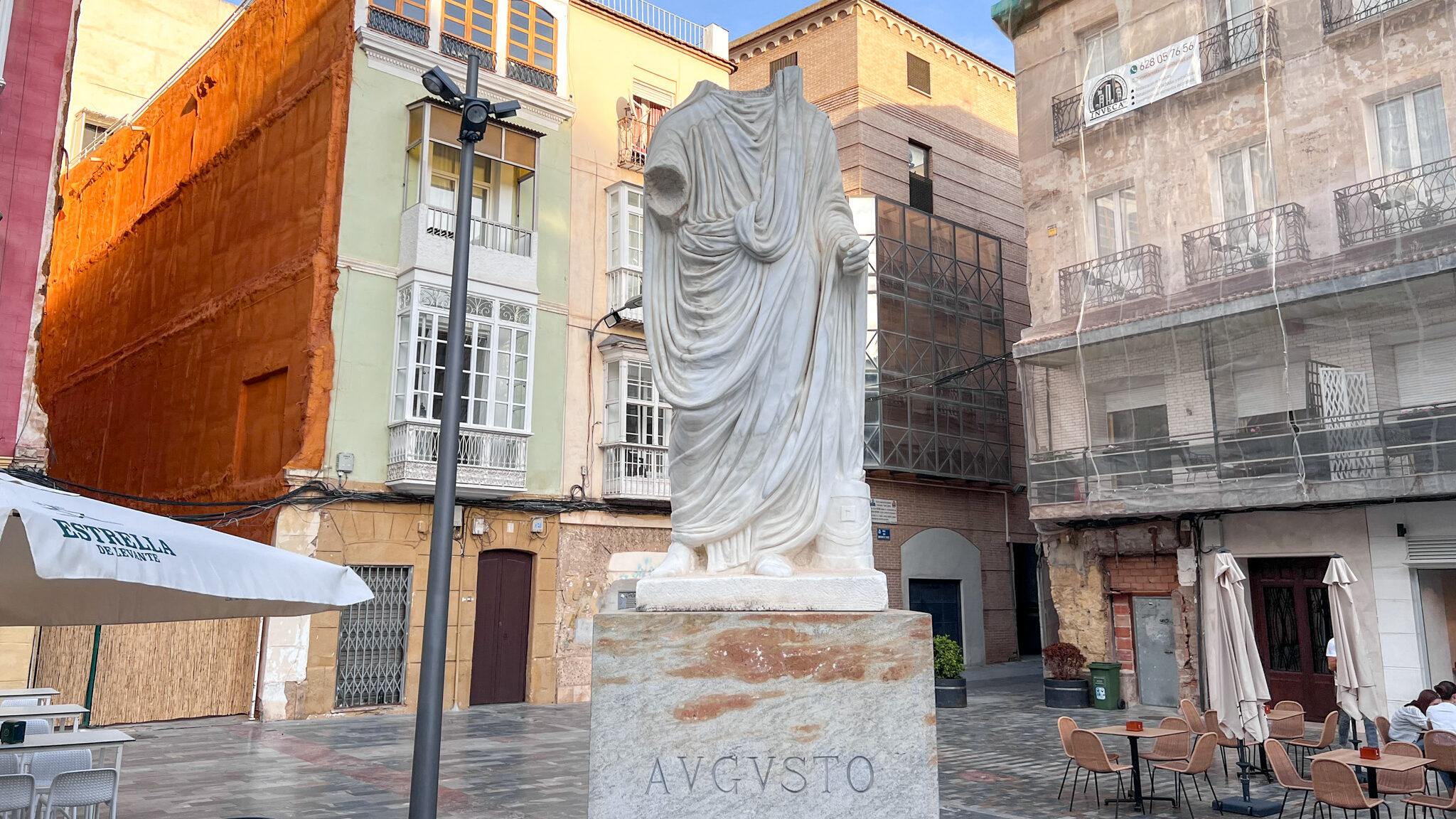
Did you know there’s a statue of Emperor Augustus in the heart of Cartagena? The Estatua De Augusto is located at one end of Plaza de San Francisco. It celebrates the ruler who granted the city colonial status and helped transform it into a major Roman city. The statue honours his legacy and symbolizes Cartagena’s deep Roman roots. Thanks to its very central location (close to the Roman Forum), it offers a quick photo opportunity before you head off to other parts of the old town.
Walk around Plaza de San Francisco
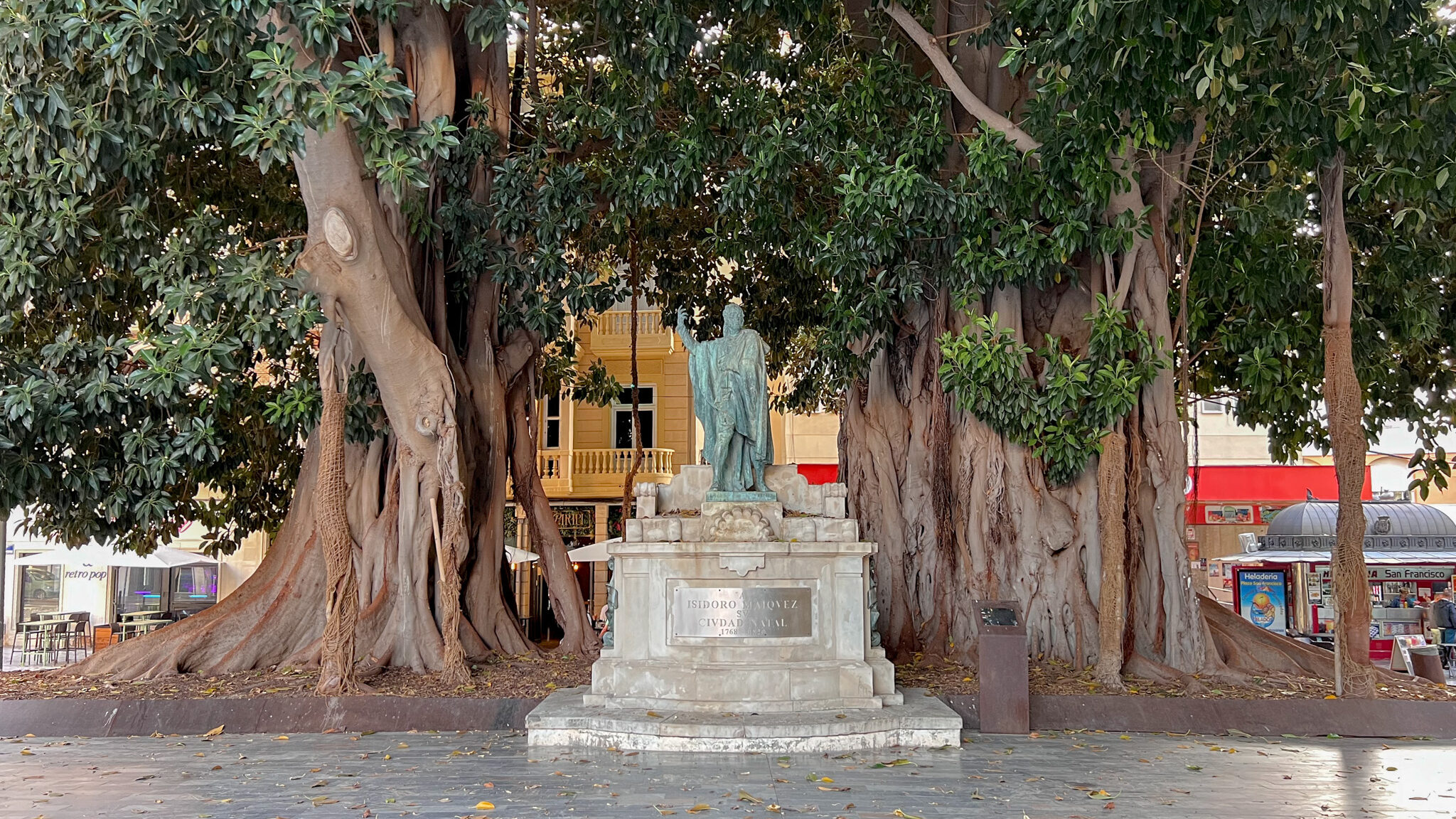
One of the liveliest historic squares in Cartagena is Plaza de San Francisco. The plaza is lined with elegant buildings, traditional balconies from the 18th and 19th centuries, and large shaded trees. It has long functioned as a social hub where gatherings, markets, and civic life unfolded, and it hasn’t changed much today. This is where you’ll find an abundance of cafes and restaurants, and it becomes even more atmospheric in the evening when the lights illuminate the historic façades. This area wasn’t too busy when we visited midday, so it offered a welcome retreat from the busier parts of the old town.
Admire the street art

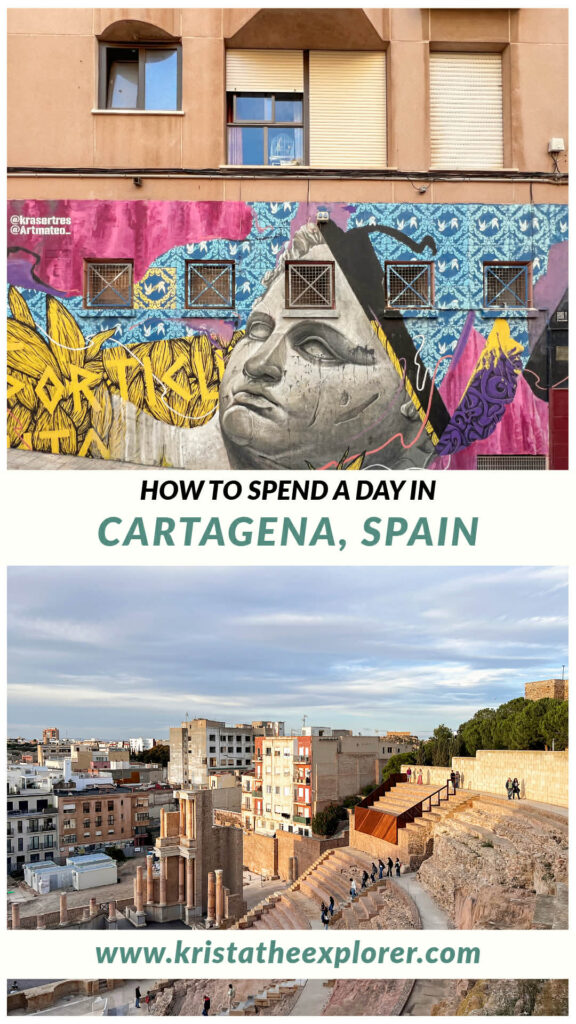
Cartagena may be known for its history, but there are also plenty of modern aspects to it. In recent years, Cartagena has picked up a reputation for its colourful street art that vibrantly contrasts with its historic streets and ancient ruins. Throughout the old town, you’ll find large murals that beautifully blend local heritage with modern themes. You don’t need a strict plan to enjoy the street art in Cartagena either. You’ll no doubt come across a couple of them as you casually wander through the city’s streets. There are some very impressive ones near the Roman theatre, so keep your eyes peeled.
Stroll through Cartagena’s old town
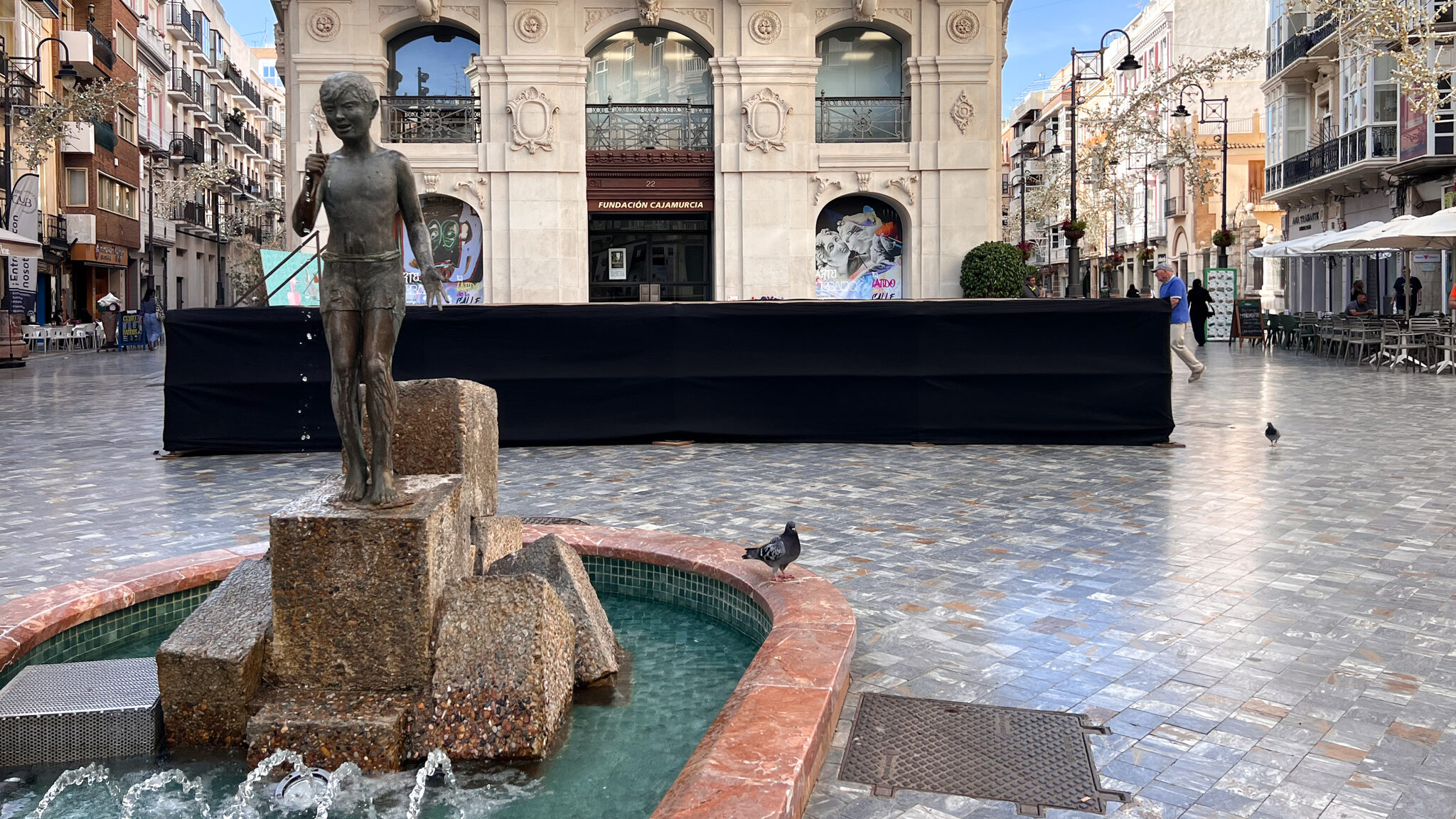
Cartagena’s old town isn’t huge, but it’s very rich in medieval streets, architectural layers, and Roman foundations. During the late 19th-century mining boom, wealthy families commissioned elaborate Art Nouveau buildings that still line the main pedestrian avenues today. As you walk through the old town, you’ll find colourful tiles, decorative balconies, and carved stonework at almost every turn. The historic centre is almost completely pedestrianized too, making it ideal for slow exploration without the worry of traffic.
If you’re planning to visit certain museums or restaurants, make sure you check their opening hours beforehand. Many places close during siesta hours (mid-afternoon).
Take a tour of Palacio Consistorial de Cartagena
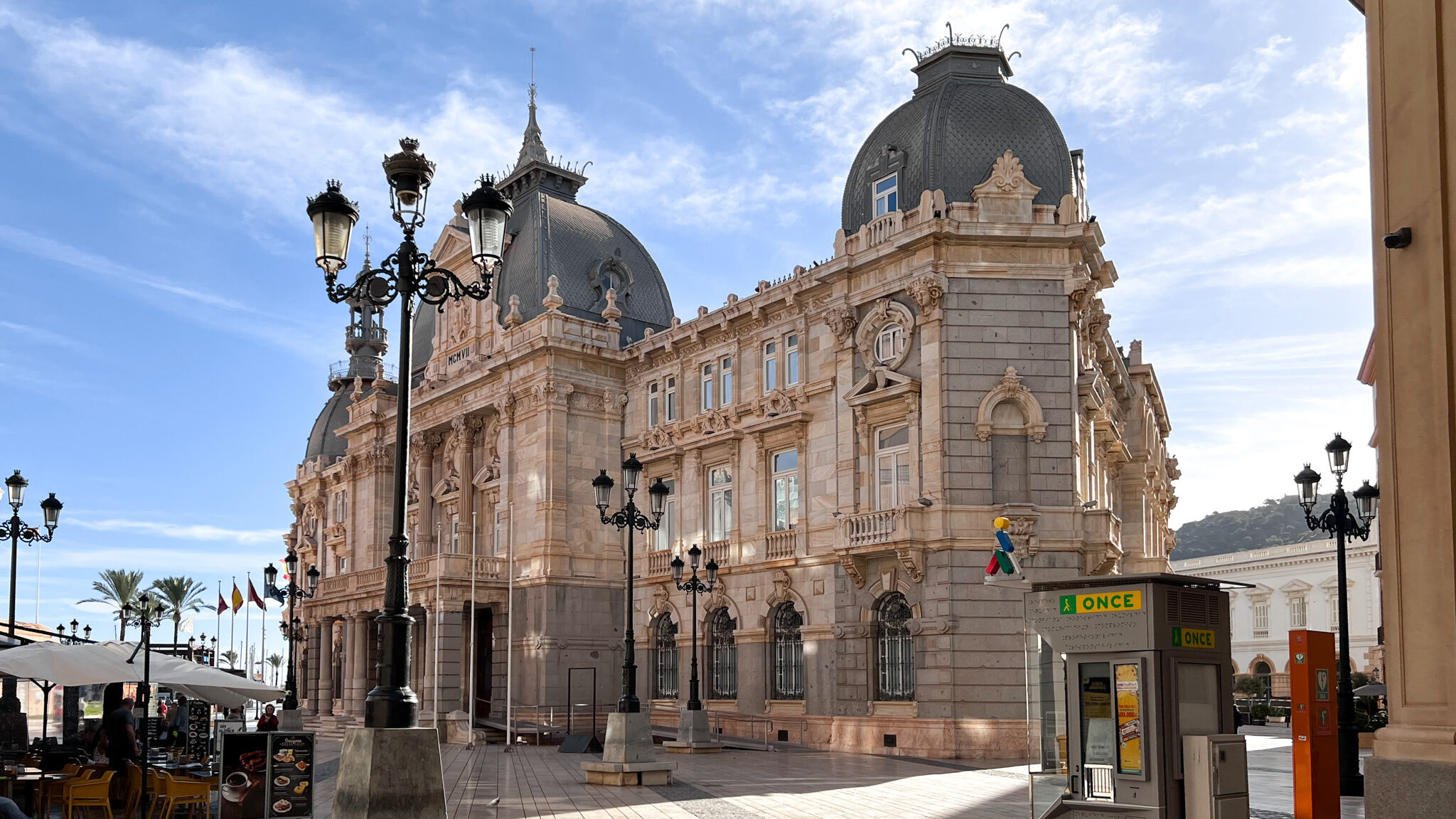
Palacio Consistorial de Cartagena was completed in the 20th century, and it’s one of the finest examples of modernist civic architecture in Spain. The city hall was designed during a period of economic growth, so you’ll see a lot of lavish decorations inside. The building still functions as the municipal headquarters today, but guided tours allow visitors to see its most attractive areas.
When we visited, there were no tours taking place; it does seem like a popular activity in Cartagena for first-time visitors, though. The tours are relatively short, and it’s recommended that you book ahead at the tourist office to avoid disappointment, especially in the high season.
Parroquia Castrense de Santo Domingo Cartagena
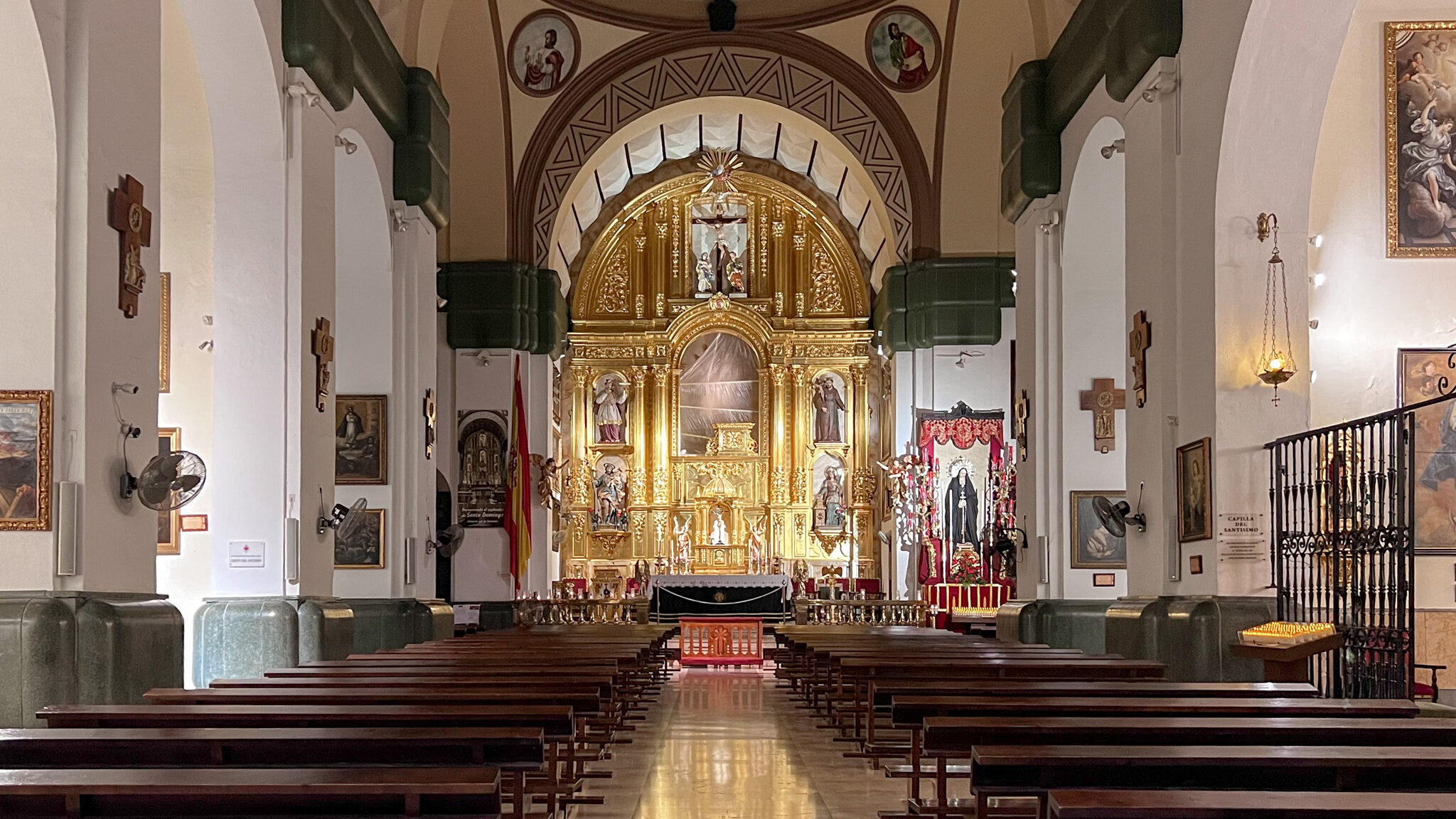
As you walk around Cartagena, you’ll come across several stunning churches that blend in with the rest of the historic centre. Parroquia Castrense de Santo Domingo Cartagena is one that’s easily missed, despite being located along one of the city’s main shopping streets. It was established in the 17th century by Dominican monks, and over time it became associated with Cartagena’s military community (it’s referred to as the military parish). Entry to the church is free, and outside of service times, the doors are usually open for people to come and go freely.
Muralla del Mar
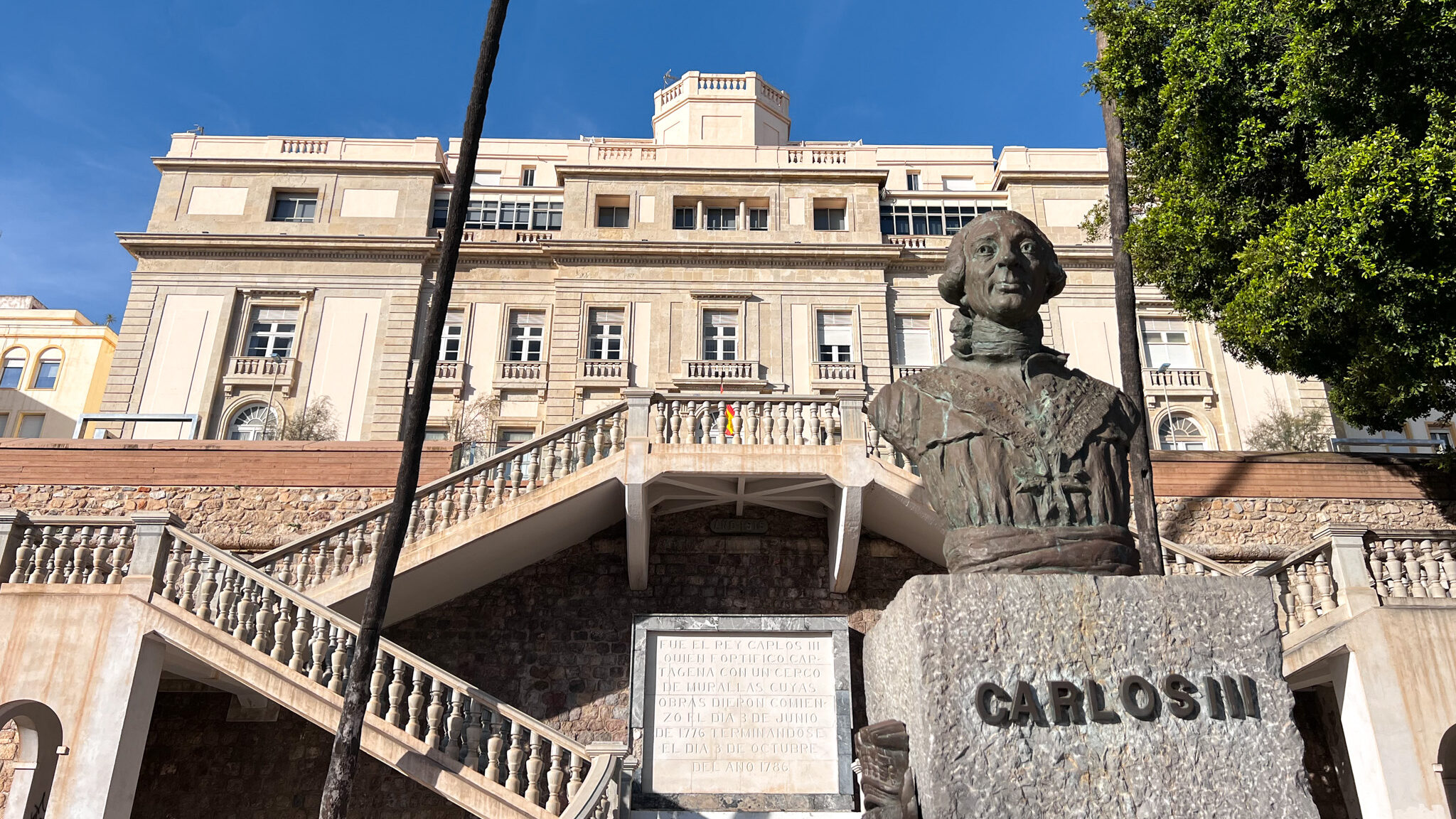
Located close to the harbour is the Muralla del Mar – a scenic promenade built along the historic defensive walls of Cartagena. This walkway largely dates to the 18th century, when the fortifications were reinforced to defend Spain’s Mediterranean fleet. It’s a lovely area to walk along, blending the city’s historical remains with a scenic coastal path. From the top of the walls, you can enjoy a fantastic view of the port, and you’ll find plenty of benches and shaded areas along the route so you can pause when necessary.
Enjoy the views at Puerto de Cartagena
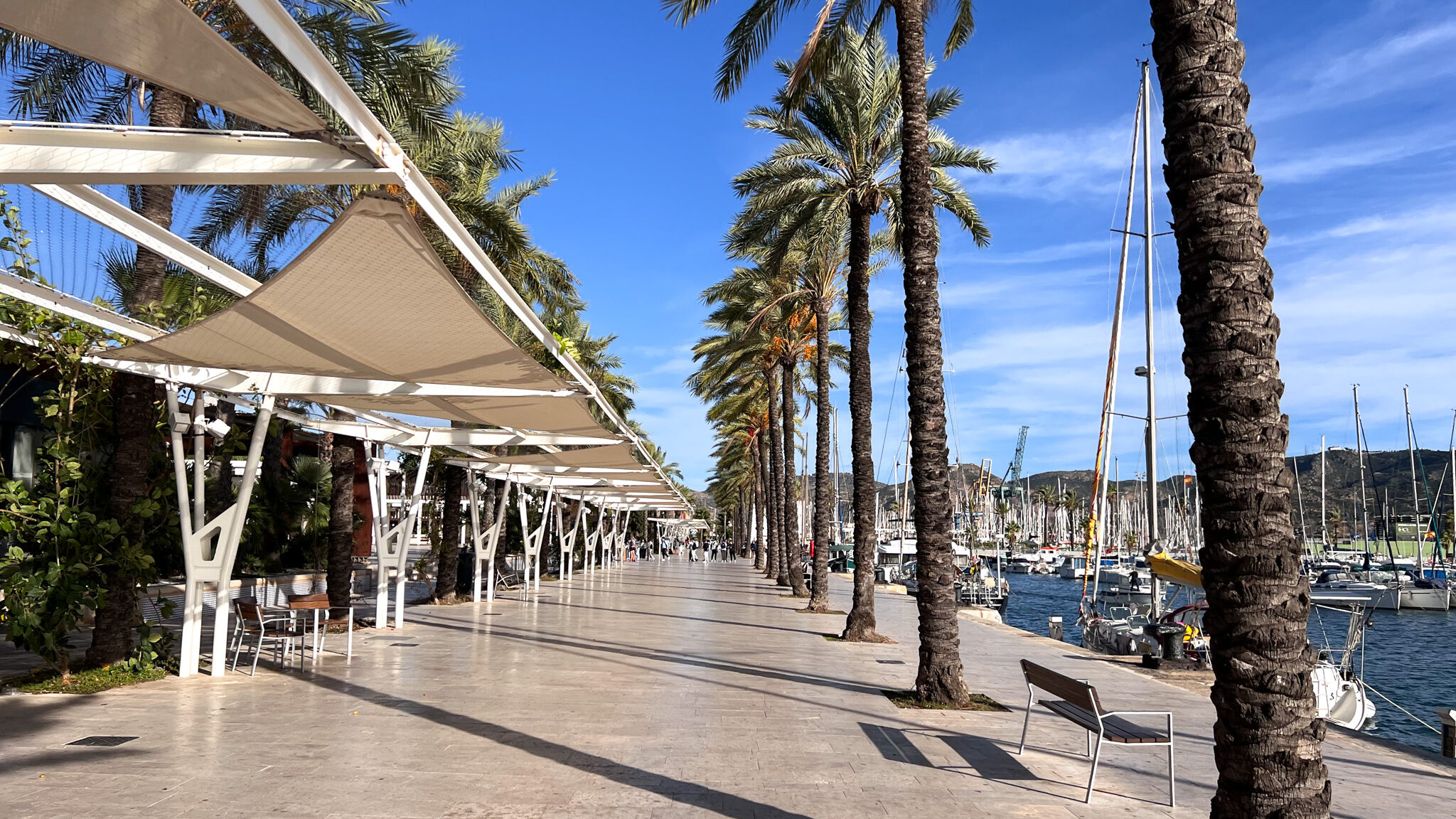
One of my favourite things to do in Cartagena is to walk along its natural harbour. Puerto de Cartagena has played a big role in shaping the city since it was founded over 2,000 years ago. Its deep, sheltered waters made it very valuable in terms of strategic locations in the western Mediterranean. Today, the port still hosts naval operations alongside leisure marinas, fishing boats, and cruise ships. The waterfront has been modernized too, making it an attractive public space that’s still strongly linked to its history. For a quieter experience, I’d recommend visiting near sunrise or sunset.
Where to eat in Cartagena, Spain
CafeLab
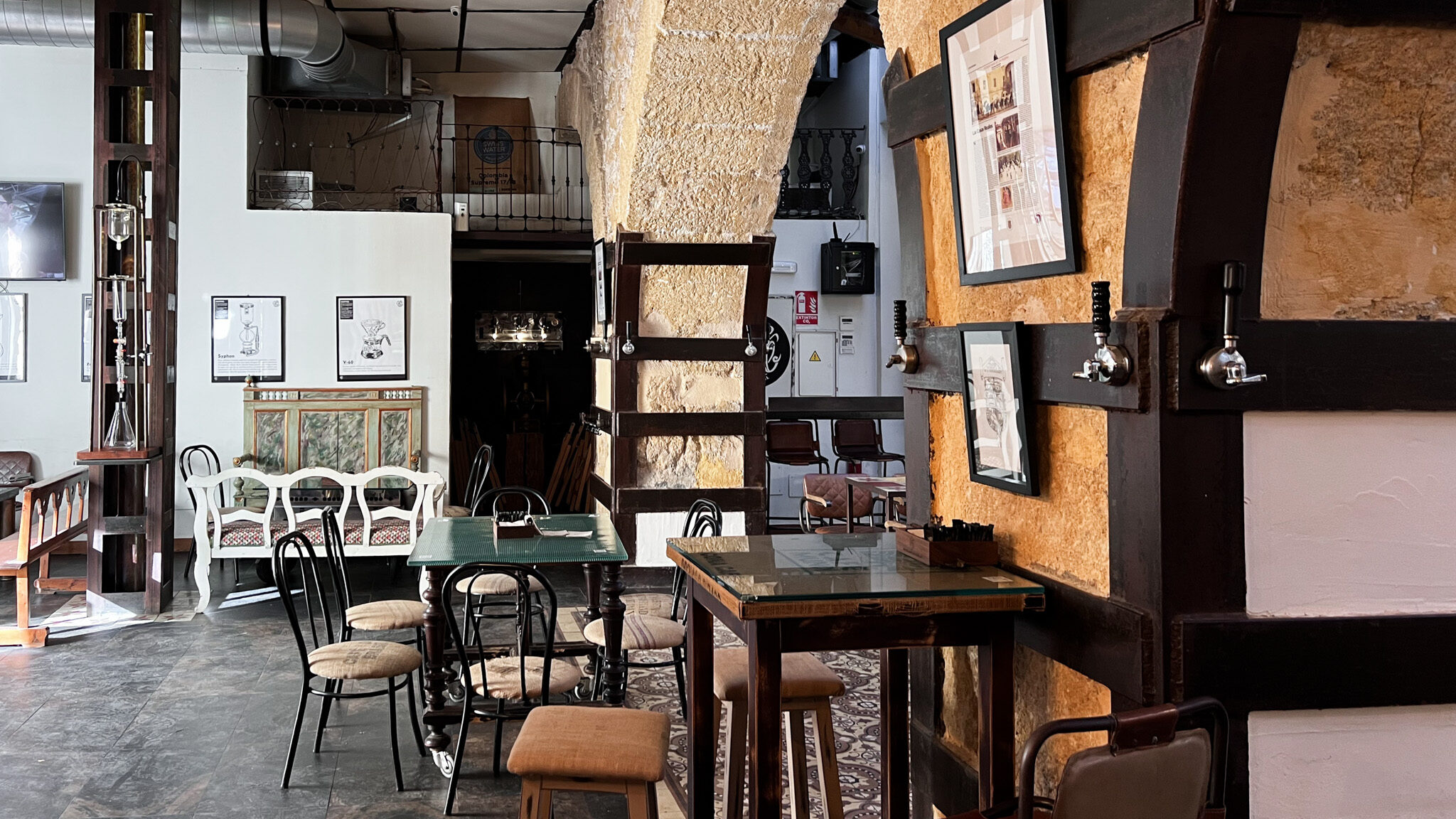
If speciality coffee is your thing, you’ll love CafeLab. This coffee shop in Cartagena offers a relaxed atmosphere with a modern design and deliciously tasting coffee. Apart from drinks, their menu focuses on homemade cakes and light brunch options such as breakfast bowls and toast. It’s also a great workspace that’s ideal for remote workers or digital nomads. We only stopped in for a quick drink, but the cakes did look very inviting.
CafeLab is located right in the heart of the old town, tucked away down a narrow side street. They place a sign on the main road to point you in the right direction, though, so it’s easy to find.
La Cartela

La Cartela is a great restaurant in Cartagena’s old town, known for its high-quality tapas dishes that celebrate classic Spanish and Murcian cuisine. There are plenty of options on the menu, including tasty croquettes, grilled meats, and fresh seafood. La Cartela is particularly popular with locals, which is always a good sign. We ordered a variety of tapas dishes, with the broken eggs and croquettes both being highlights for me. If you have nice weather while visiting Cartagena, you can enjoy sitting outside, but you’ll also find plenty of seating inside.
Kasumi Sushi Buffet

Kasumi Sushi Buffet is a nice place to eat in Cartagena if you’re looking for an all-you-can-eat Japanese dining experience. On the menu you’ll find a wide range of sushi, noodles, hot Asian dishes, and grilled items, so even if you aren’t a fan of seafood, you’ll no doubt find something you like. The non-seafood sushi options aren’t amazing, though, which was a little disappointing for me. However, the price is very reasonable for dining in the evening, and the portions of the other dishes are generous.
Chamfer Burger

Smash burgers are a trending topic in the food world, and Cartagena has some great options. Chamfer Burger has quickly built a reputation for being one of the top gourmet burger spots in Cartagena. They offer both regular and smash burgers, but you can turn any of their burgers into a smash version if you want. We thoroughly enjoyed everything we ordered, from the loaded nachos to the smash burgers topped with macaroni cheese. Evenings can get very busy here, so try to arrive close to its opening time to secure a table.
Rivareno Gelato

I always enjoy trying gelato in new cities, and Cartagena didn’t disappoint. We tried a few spots during our two nights in Cartagena, but one that really stood out was Rivareno Gelato. Their Italian gelato is produced in small batches using traditional methods, so you won’t find a huge selection of flavours here. However, what they do have is exceptionally well-made. The chocolate gelato is very strong, and it pairs well with their other traditional flavours. Don’t be surprised if there’s a queue here in the evening, as it’s very popular with locals and visitors alike.
Alternatively, Tiramisu Gelateria Artigianale and Smooy (yogurt-based) are both good options in the historic centre.
Where to stay in Cartagena, Spain
B&B Hotel Cartagena Cartagonova

If you’re looking for a reliable, mid-range hotel in Cartagena, B&B Hotel Cartagena Cartagonova is a solid option. We stayed here for two nights and found the room to be very comfortable and spacious. The rooms are simple and clean, but don’t expect too much from them. A continental breakfast is available in the morning, and if you book it the night before, you’ll receive a small discount. The location is perfect too, with plenty of on-street parking available nearby, and key attractions just a short walk away.
There are lots of alternatives to choose from as well. For a hotel that’s facing the waterfront, Hotel Cartagena Puerto is a nice choice. There’s also the elegant historic Hotel Sercotel Alfonso XIII, or the reliable NH Campo Cartagena. All of these hotels offer easy access to the main dining areas and cultural attractions in the city.
Is Cartagena, Spain worth visiting?
Cartagena, Spain, is well worth visiting if you enjoy destinations that include coastal scenery, historic attractions, and a relaxed atmosphere. Very few cities in Spain offer such an incredible mix of remarkably preserved Roman ruins, lively tapas plazas, modernist architecture, and a scenic waterfront that’s all compact and easily walkable. Whether you’re exploring Murcia, looking for unique day trips in Spain, or you want to plan a short stay somewhere worthwhile, Cartagena delivers a lot more than many visitors expect. I only spent one full day in Cartagena, so I’m excited to return and see what else I can uncover.
If you have any questions about planning a trip to Cartagena, Spain, or you’re not sure where to eat in Cartagena, please get in touch. You can reach out via email or through the contact form on my website. Don’t forget to follow my travels on Instagram and TikTok as well, where you’ll come across helpful travel tips, ideas about where to visit next, and more.
This post may contain affiliate links, which means I may earn a commission from the discount codes used or when a link/ad is clicked. All purchases made will come at no extra cost to you, and I only include products and services that I would personally recommend.
Pin this blog post for later!