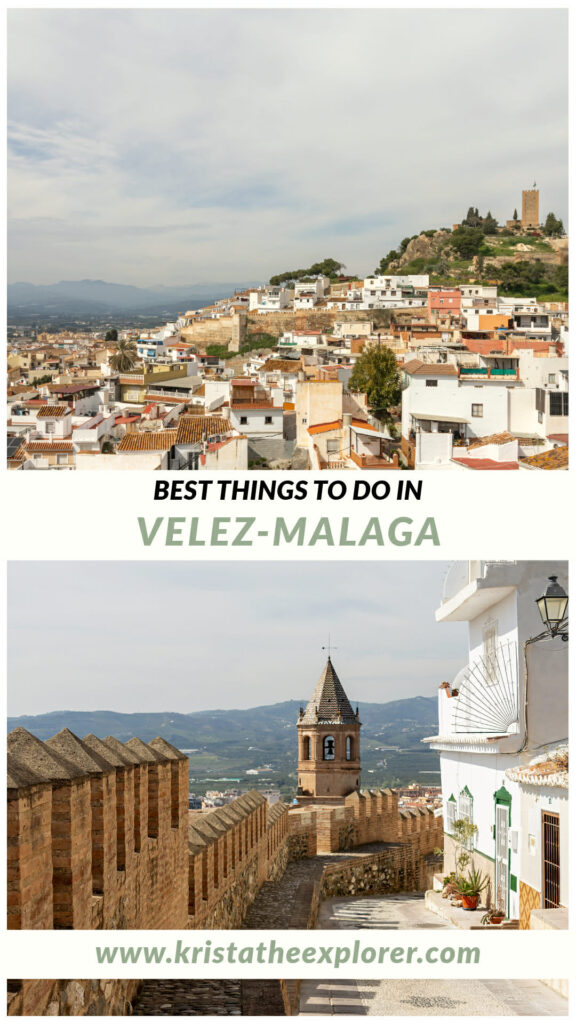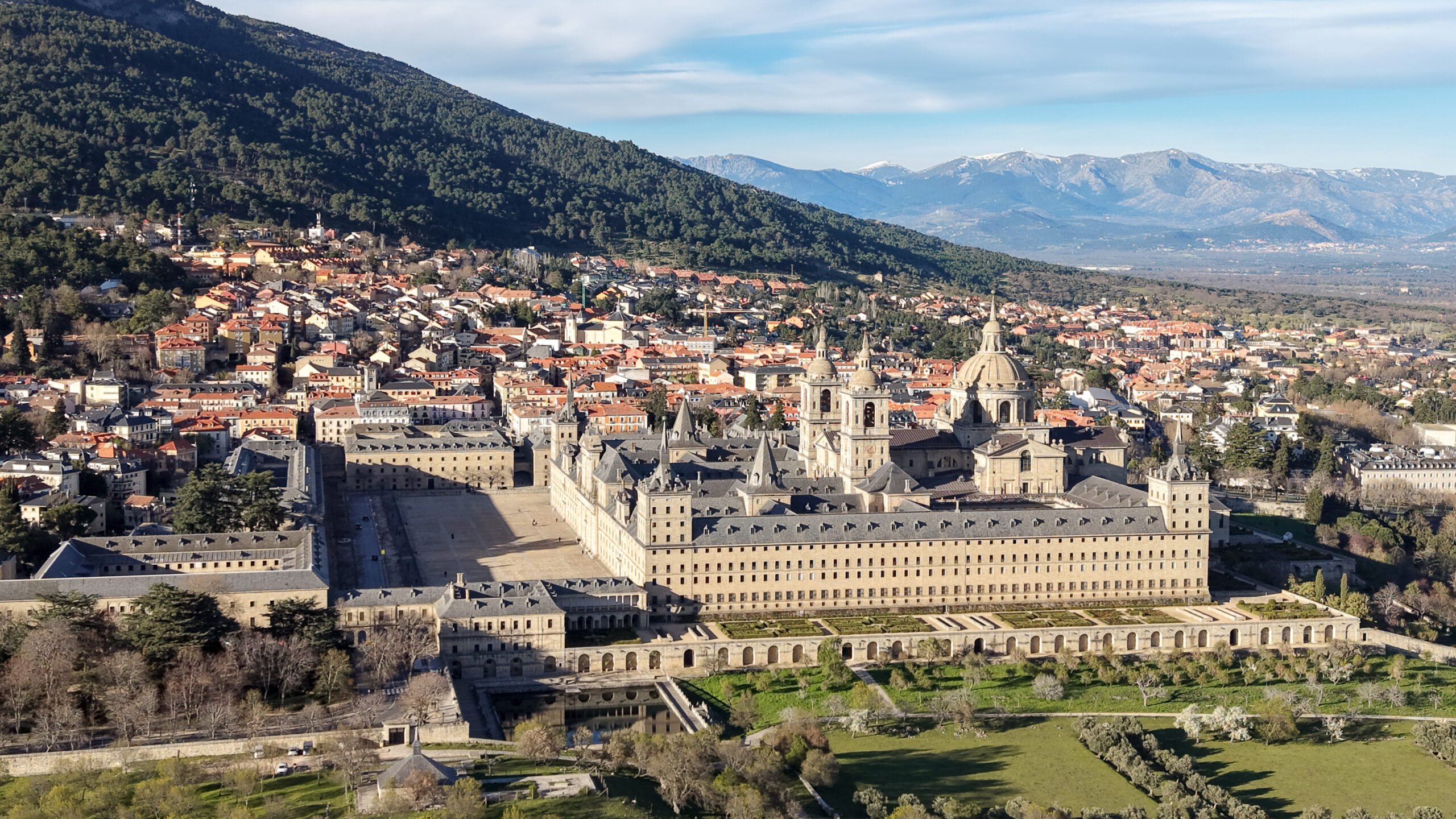
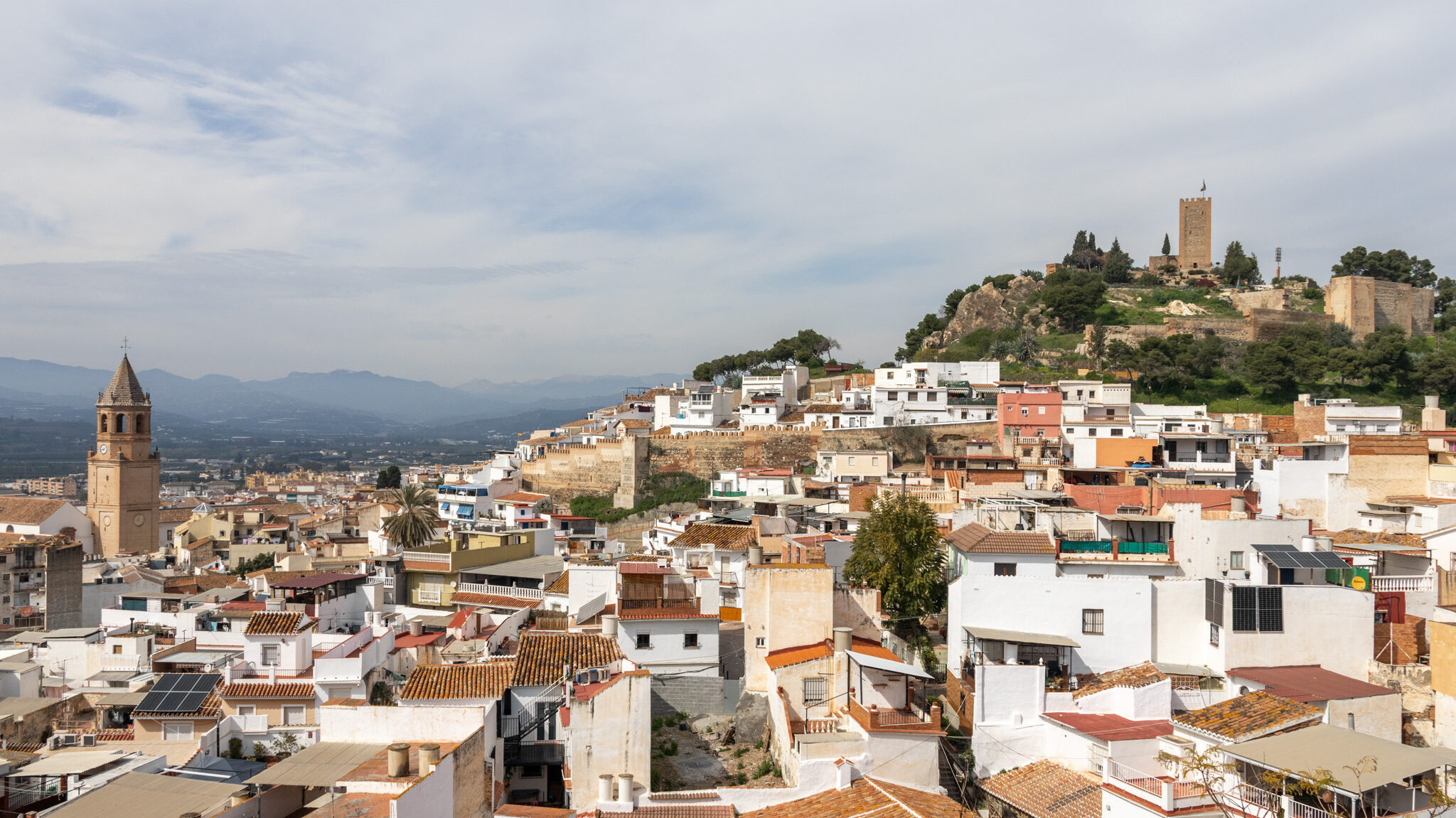
Tucked away from the busy beaches of the Costa del Sol lies Velez-Malaga, the capital of the Axarquia in Malaga. This historic Andalusian town is one that many travellers overlook, but it should definitely be on everyone’s radar. Velez-Malaga was founded by the Phoenicians and later developed by the Romans and Moors. It became an important regional centre during the Islamic period, and you can still see much of its history laid out in its winding streets and whitewashed buildings.
Velez-Malaga is located only a 40-minute drive from Malaga’s city centre, and it’s not far from coastal areas such as Torre del Mar and Rincon de la Victoria either. Despite its proximity to so many popular beach towns, Velez-Malaga isn’t visited as often as it should be. Its mixture of traditional tapas bars, sweeping views, historic attractions, and local atmosphere makes it the perfect stop for anyone looking to experience the less touristy side of the Province of Malaga.
Things to do in Velez-Malaga
La Fortaleza
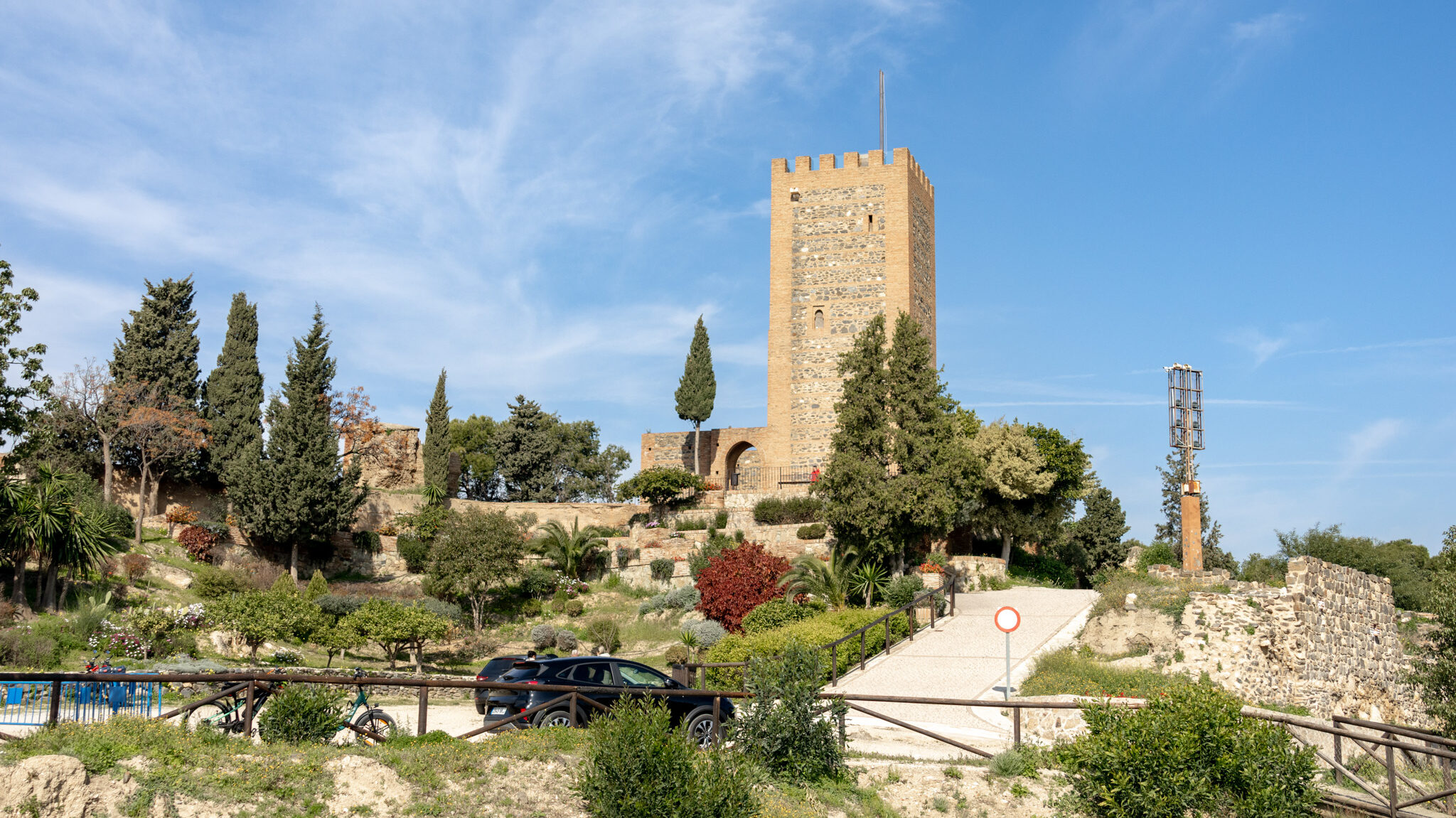
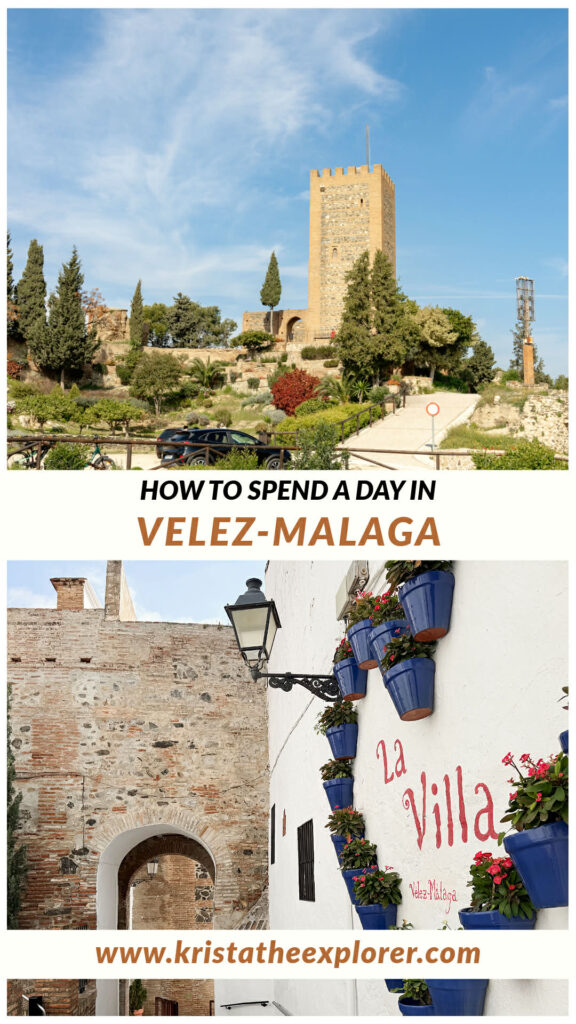
The first stop during your time in Velez-Malaga should be La Fortaleza. Perched on a hill overlooking the historic centre, this Moorish complex was once a key defensive structure for the region. Although a large portion of the fortress has been lost, the Torre del Homenaje has been reconstructed and now stands proudly as a reminder of the town’s medieval defences. It’s one of the best castles in Malaga to visit too.
During opening hours, visitors can climb to the top of the tower for free and admire the sweeping views of the town, the coastline, and the hills of the Axarquia. There’s also a large parking lot in front of the tower, so it’s very accessible. If you’re planning to explore Velez-Malaga in its entirety, I’d recommend parking along the nearby streets for free and making your way down to the town from here.
Murallas de la Medina
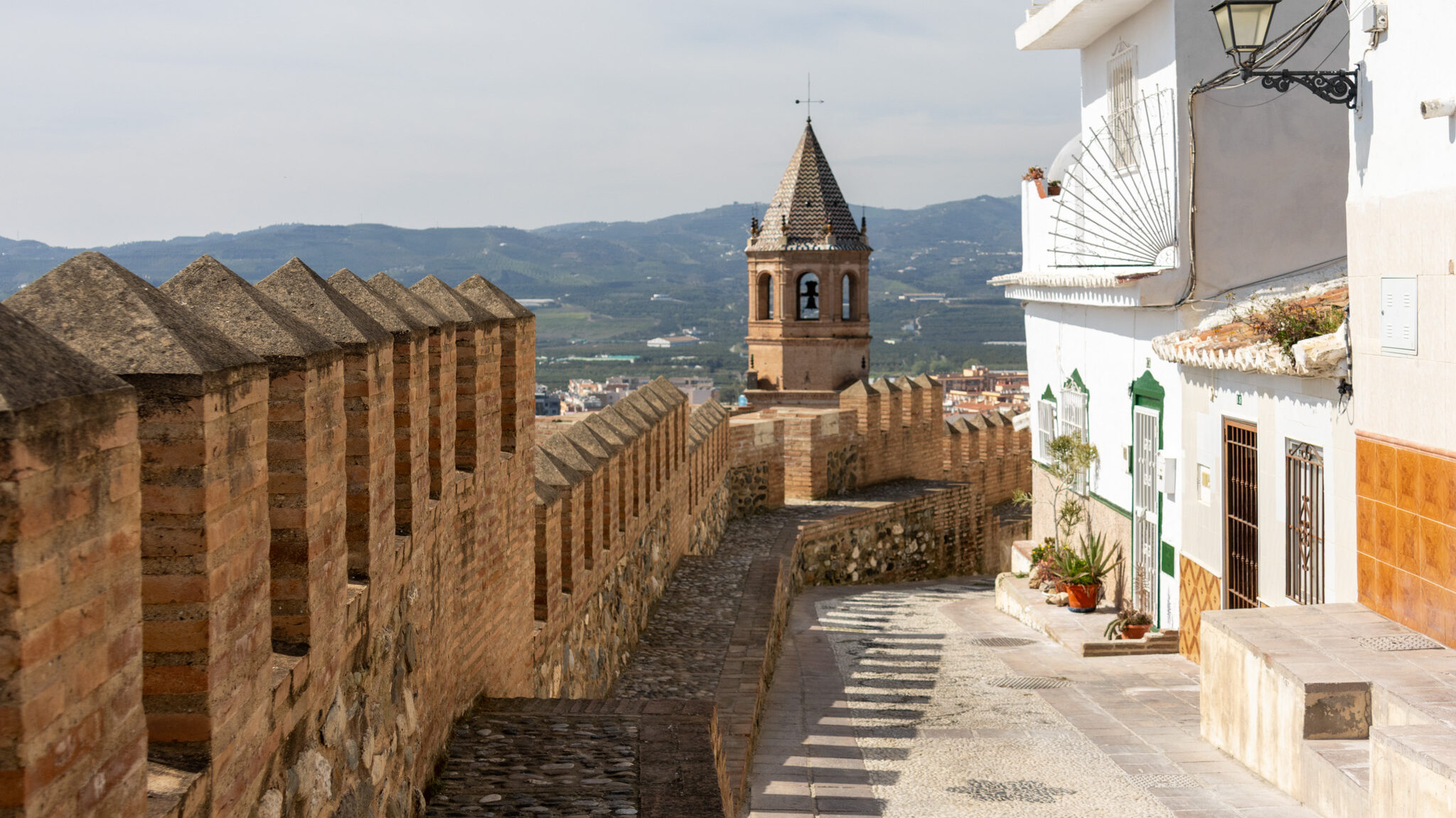
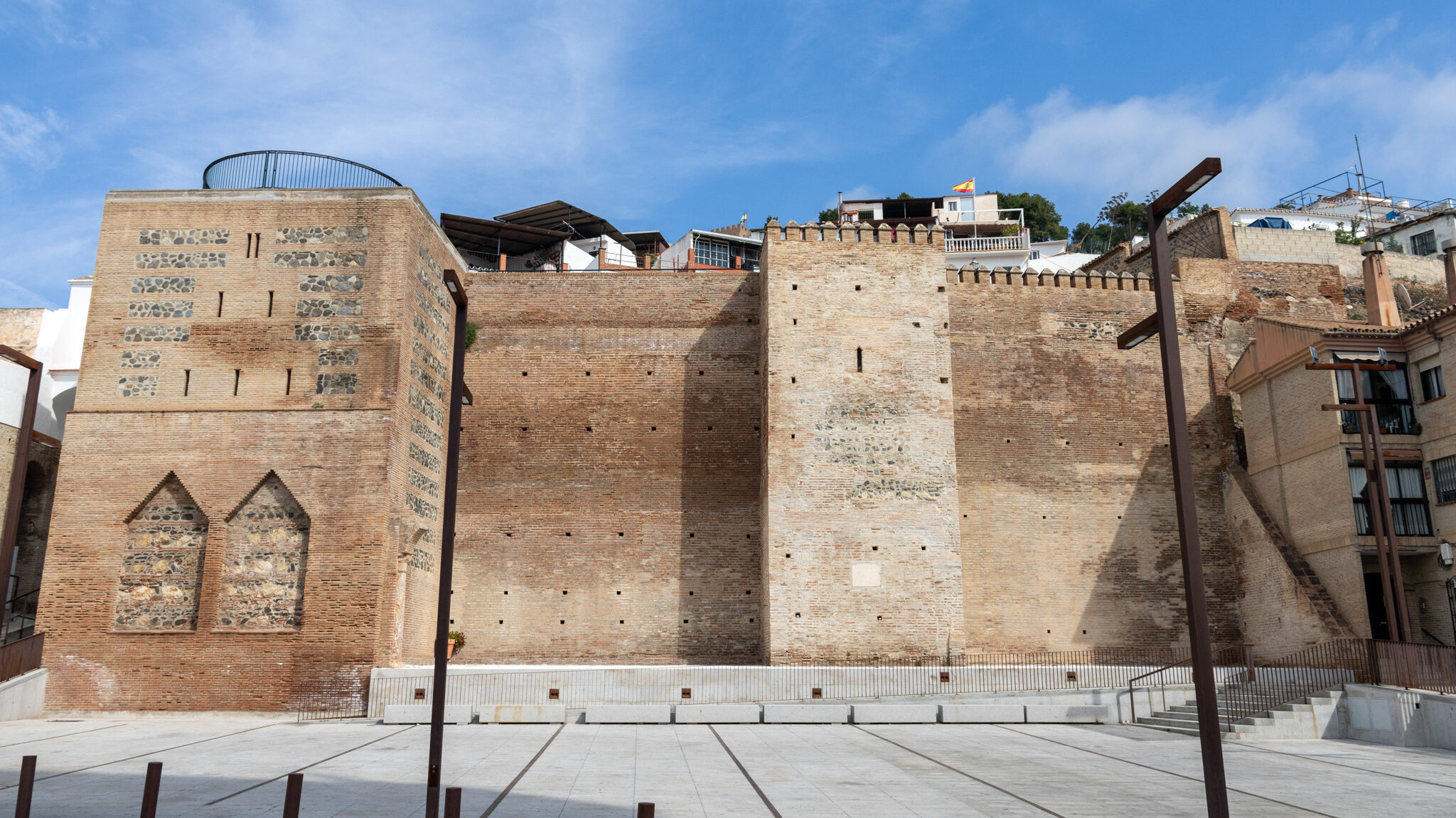
The remains of the ancient defensive walls, known as the Murallas de la Medina, are still partly standing today. These fortifications formed part of the walled city and protected its inhabitants, but they also controlled entry points to the town. The walls provide visitors with a sense of how strategically important Velez-Malaga was during the Middle Ages.
There are a few larger stretches of the walls to explore, with the best ones located at the upper part of the old town. From the top of the walls, you can look down at the historic town and get some unbeatable photos, too. You won’t find the Murallas de la Medina crowded with people, either, so you can take in the history of the town peacefully and at your own pace.
Take a photo at the kissing corner
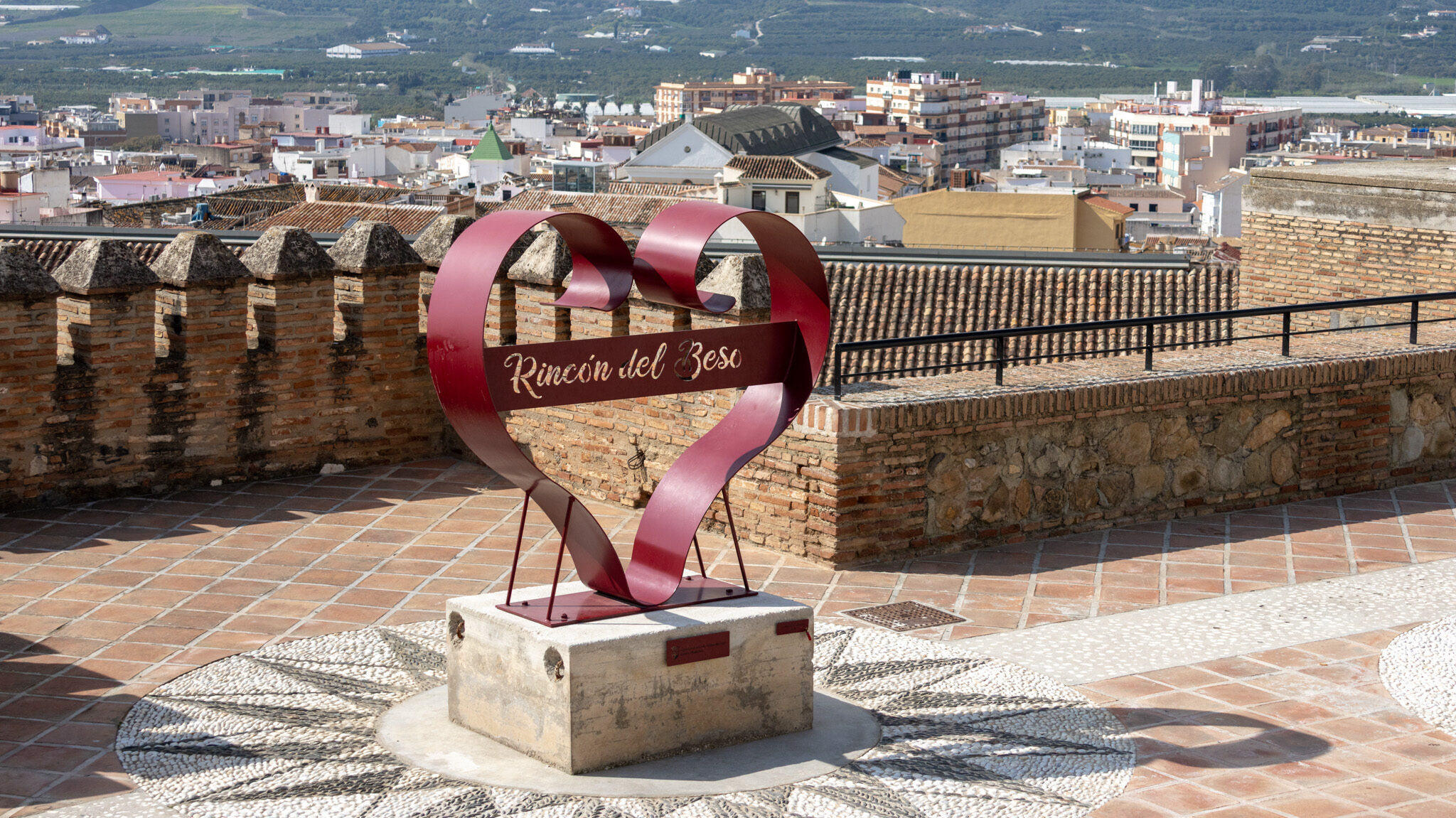
If you’re walking down to the town centre from the fortress, you’ll come across what’s known as the “kissing corner”. El Rincon del Beso is a small corner situated along the town walls that offers a picturesque setting among the traditional Andalusian architecture. It’s very easy to find as you make your way through the historic streets, but it’s still considered a hidden gem in Velez-Malaga for many people. Behind the heart sculpture is a picture-perfect view of the town, and a close-up of the tower of Iglesia de San Juan Bautista.
Puerta Real de la Villa
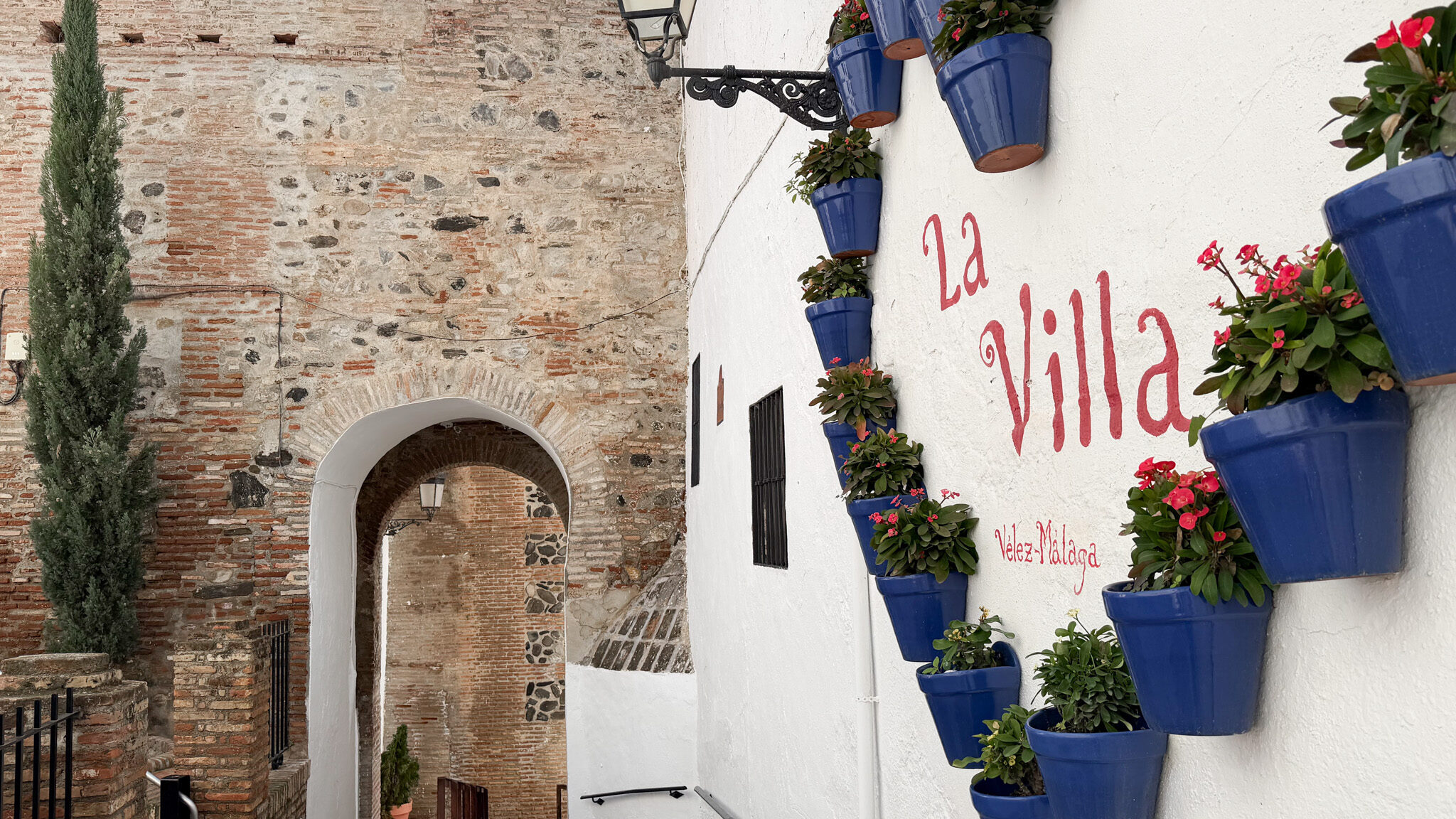
Not far from the “kissing corner” lies Puerta Real de la Villa. This was once the main gate to the town during the Moorish period, and it became even more significant during the Christian reconquest in 1487 when the Catholic Monarchs arrived. Today, you’ll find a commemorative plaque and monument that honours this moment in the town’s history. The whitewashed street leading up to the arch has been decorated with beautiful painted flower pots, so it’s a great spot to take some photos.
Iglesia de San Juan Bautista
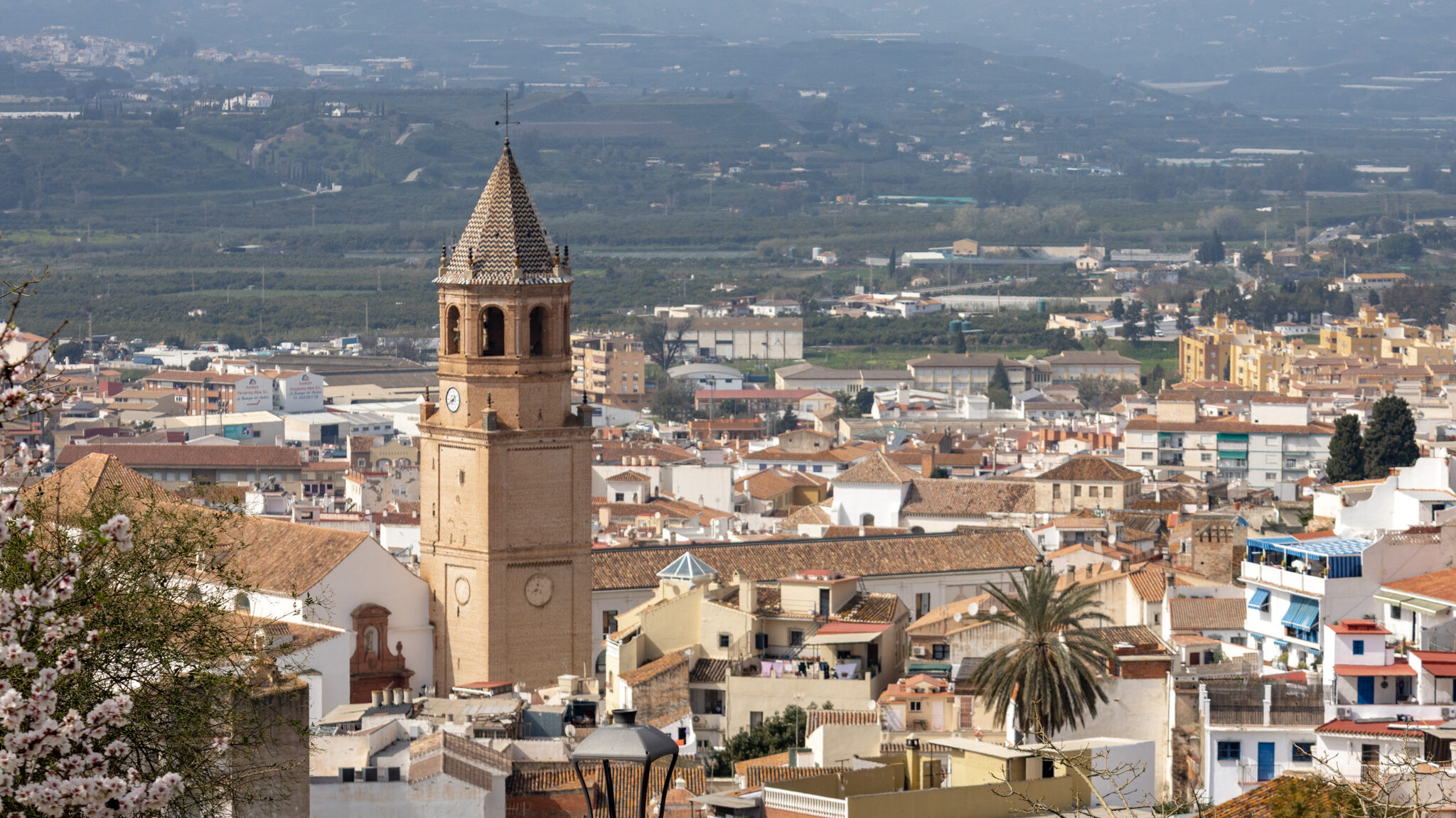
In the heart of the historic centre is Iglesia de San Juan Bautista. It was originally built in the 15th century, on the site of a former mosque, and it’s still one of the most beautiful churches in Velez-Malaga. Since the church has been expanded over the centuries, you’ll find a charming mixture of architectural elements here. If the doors are open during your visit, you can head inside and explore the detailed artwork and impressive altarpieces. During the summer months, you can cool down here, too.
Plaza de la Constitucion
Plaza de la Constitucion is one of the most important public spaces in Velez-Malaga. It’s surrounded by shops, cafes, and historic buildings, and it’s been a gathering place for locals for centuries. Like many plazas in Andalusia, this is where celebrations take place and where you can find locals meeting.
Apart from Iglesia de San Juan Bautista, the most notable building here is La Posito. It dates back to the 16th century and was where grain reserves were stored to stabilize food supplies. Today it acts as an administrative centre, but it’s still a reminder of the town’s agricultural history.
Fuente de Felipe II
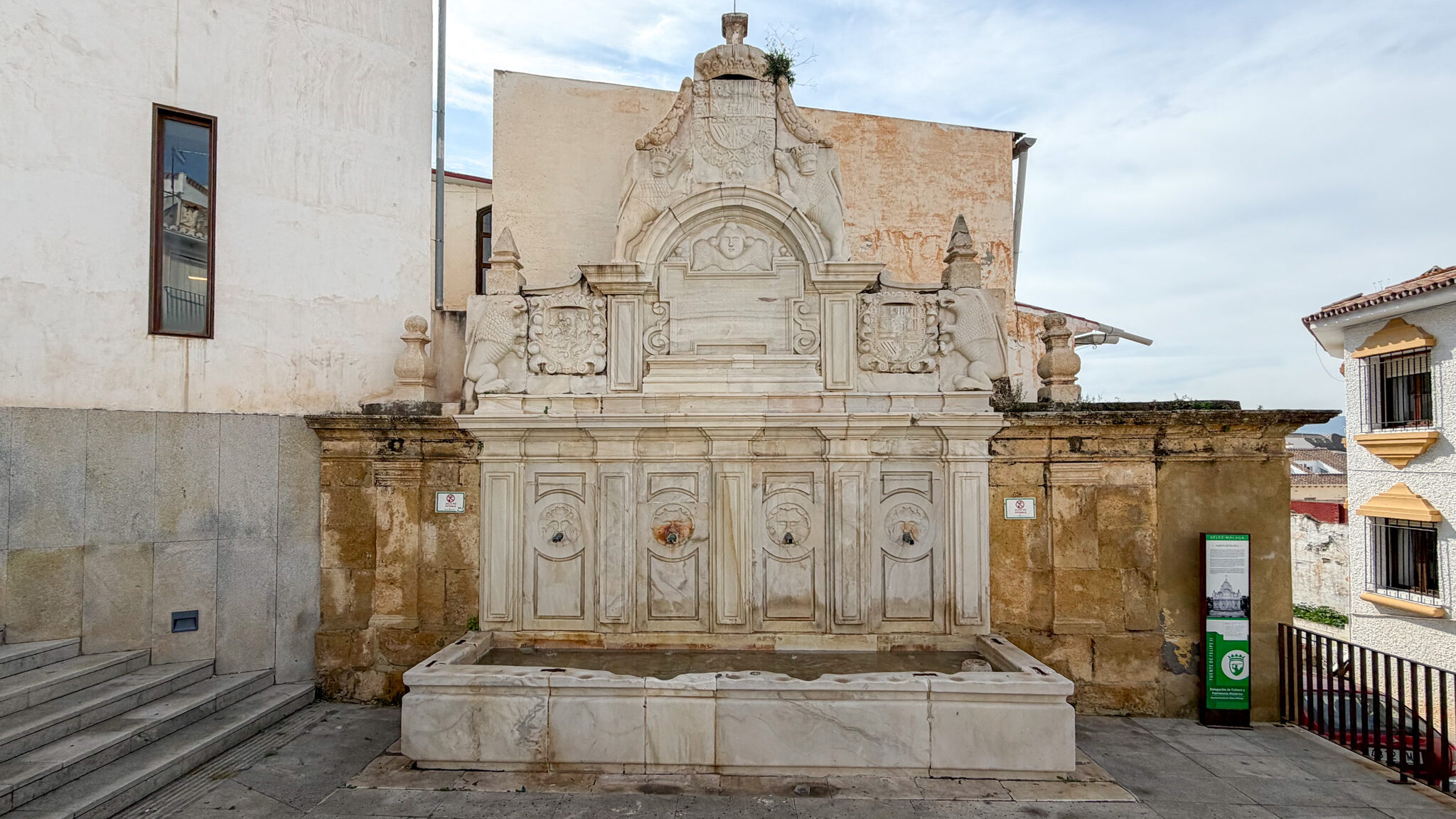
Tucked around the corner from Plaza de la Constitucion is a historic fountain called Fuente de Felipe II. It was built during the reign of King Philip II of Spain in the 16th century, and it served both decorative and practical purposes. Its stone design and historical setting make it an attractive place to stop while walking around the centre of Velez-Malaga. If you take a walking tour of the town, you’ll learn more about this fountain and how it was an essential gathering point for daily life.
Statue of Nazareno
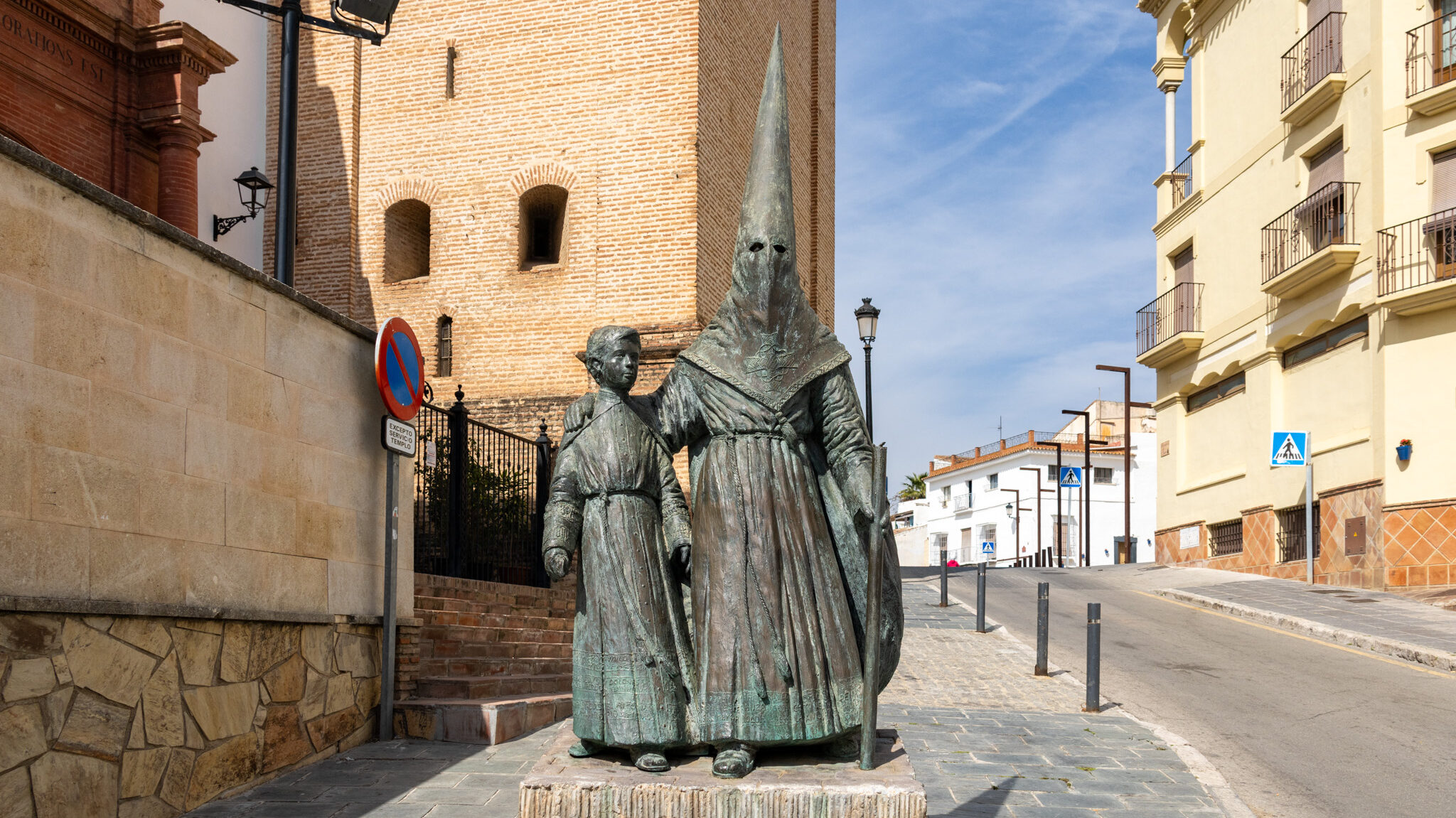
Sitting outside the doors of Iglesia de San Juan Bautista is where you’ll find the statue of Nazareno. It stands as a tribute to the town’s cultural heritage and religious traditions. This is one of the most important religious symbols in Velez-Malaga, honouring Jesus Nazareno, who is the town’s patron figure. During the Holy Week processions, the statue is carried through the streets in religious parades that attract both visitors and locals. Even outside of Holy Week, it remains a meaningful landmark for residents and a unique stop for people spending a day in Velez-Malaga.
Convento de San Francisco
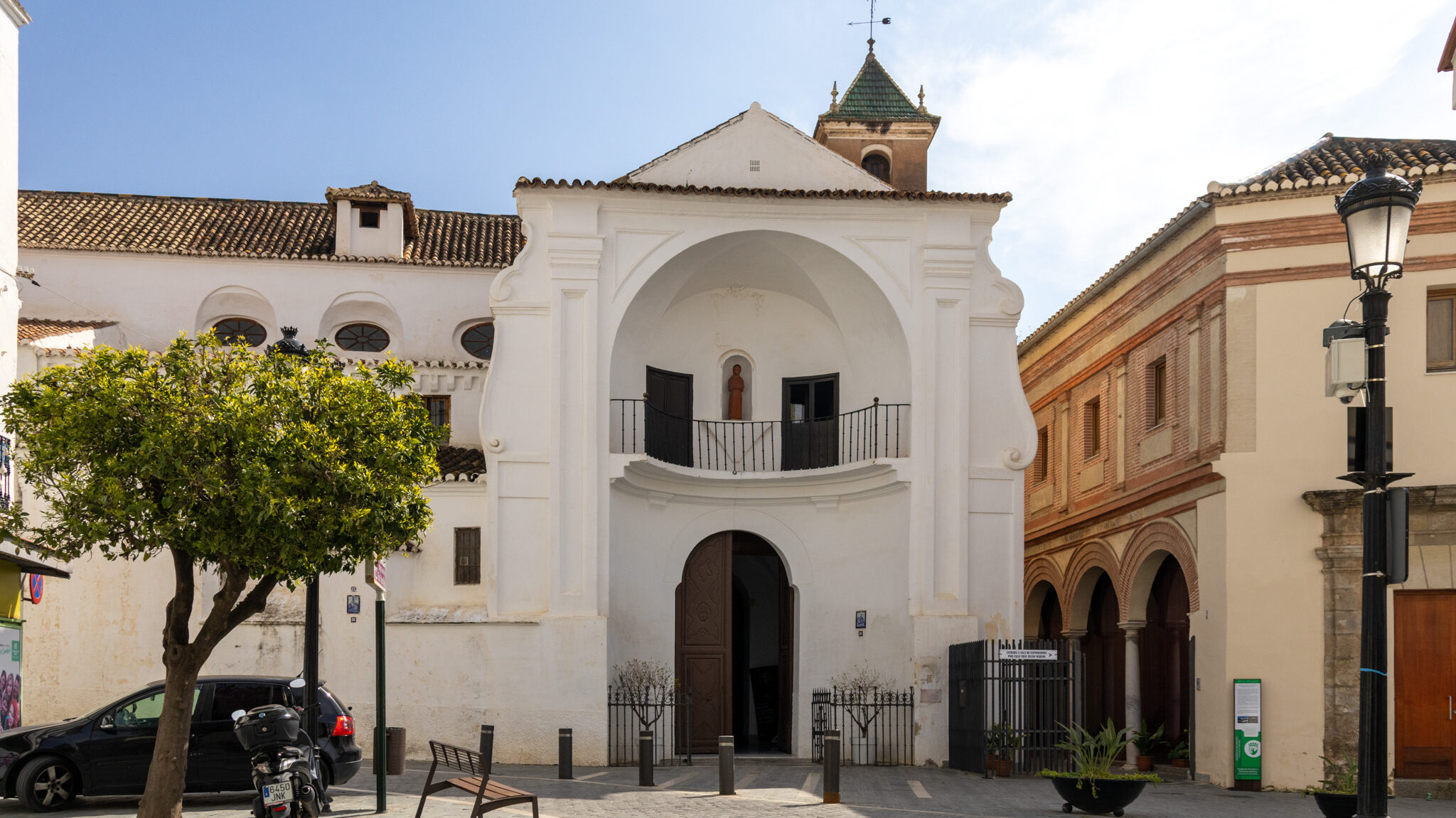
The Convento de San Francisco was founded following the Christian conquest of the town in the late 15th century. It played a key role in the spreading of Christianity in the Axarquia, and it also served as the religious centre of Velez-Malaga for centuries. Walking around the convent is one of the most interesting things to do in Velez-Malaga for visitors, as it provides a unique insight into the religious institutions that helped shape the town during the early years of Spanish rule.
Casa Cervantes
Another must-see attraction in Velez-Malaga is Casa Cervantes. This historic building has strong links to the Spanish writer Miguel de Cervantes, who is best known for writing Don Quixote. According to local tradition, Cervantes stayed in the town in the late 16th century while working as a tax collector for the crown. The house now serves as a reminder of the author’s connection to the town, and it’s very popular for visitors who are interested in Spanish literature.
Explore the streets of the old town
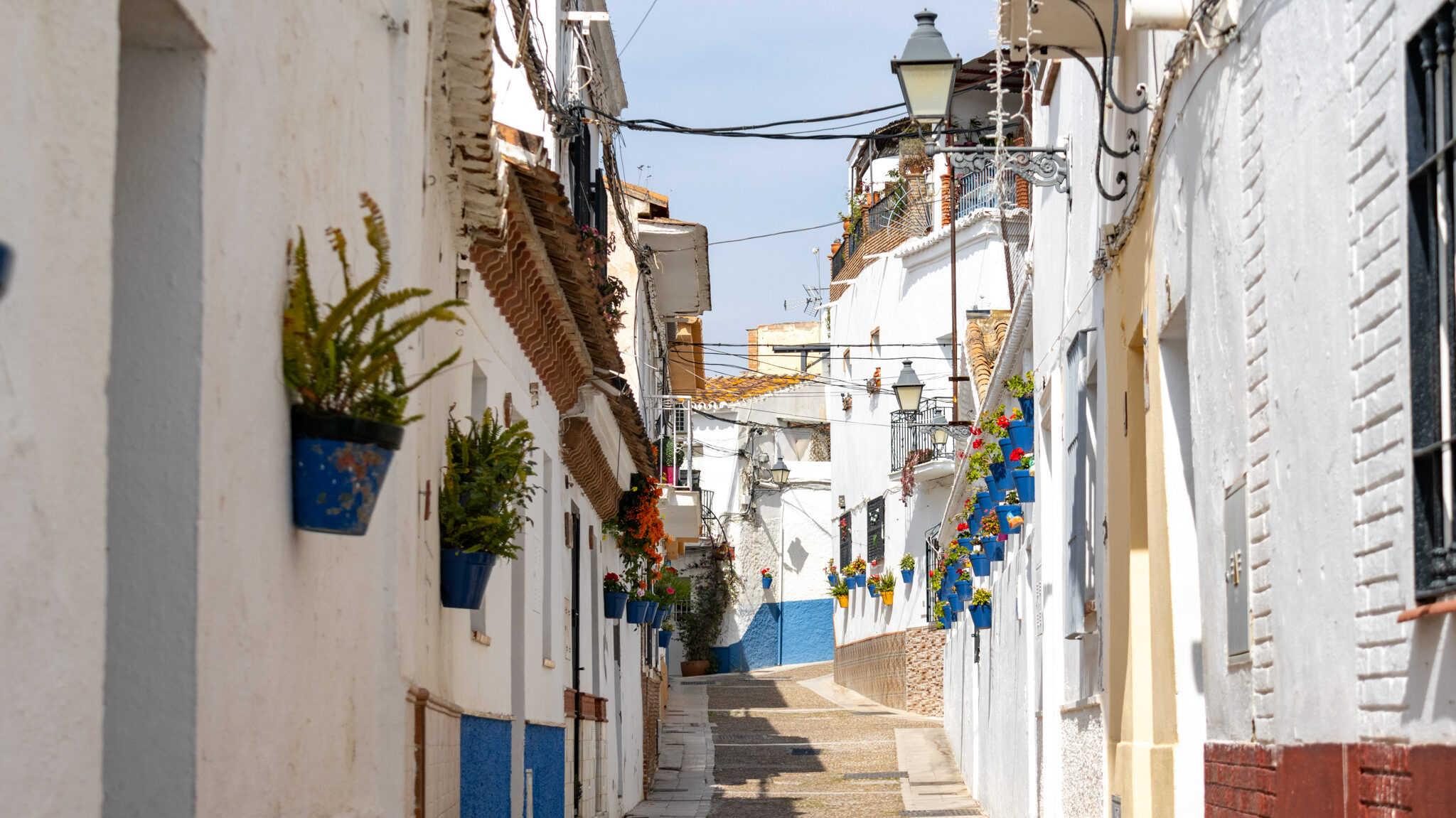
One of the best things to do in Velez-Malaga during a day trip is to get lost in the streets of the old town. The historic centre is full of whitewashed houses, narrow alleys, and small plazas that reflect the town’s Moorish past. A lot of these streets still follow the same layout they did centuries ago, so you’re quite literally walking through history. As you explore the streets, you’ll no doubt come across hidden viewpoints, historic buildings, and picturesque corners that all add to the authentic Andalusian character of Velez-Malaga.
Arco Mihrab Nazari
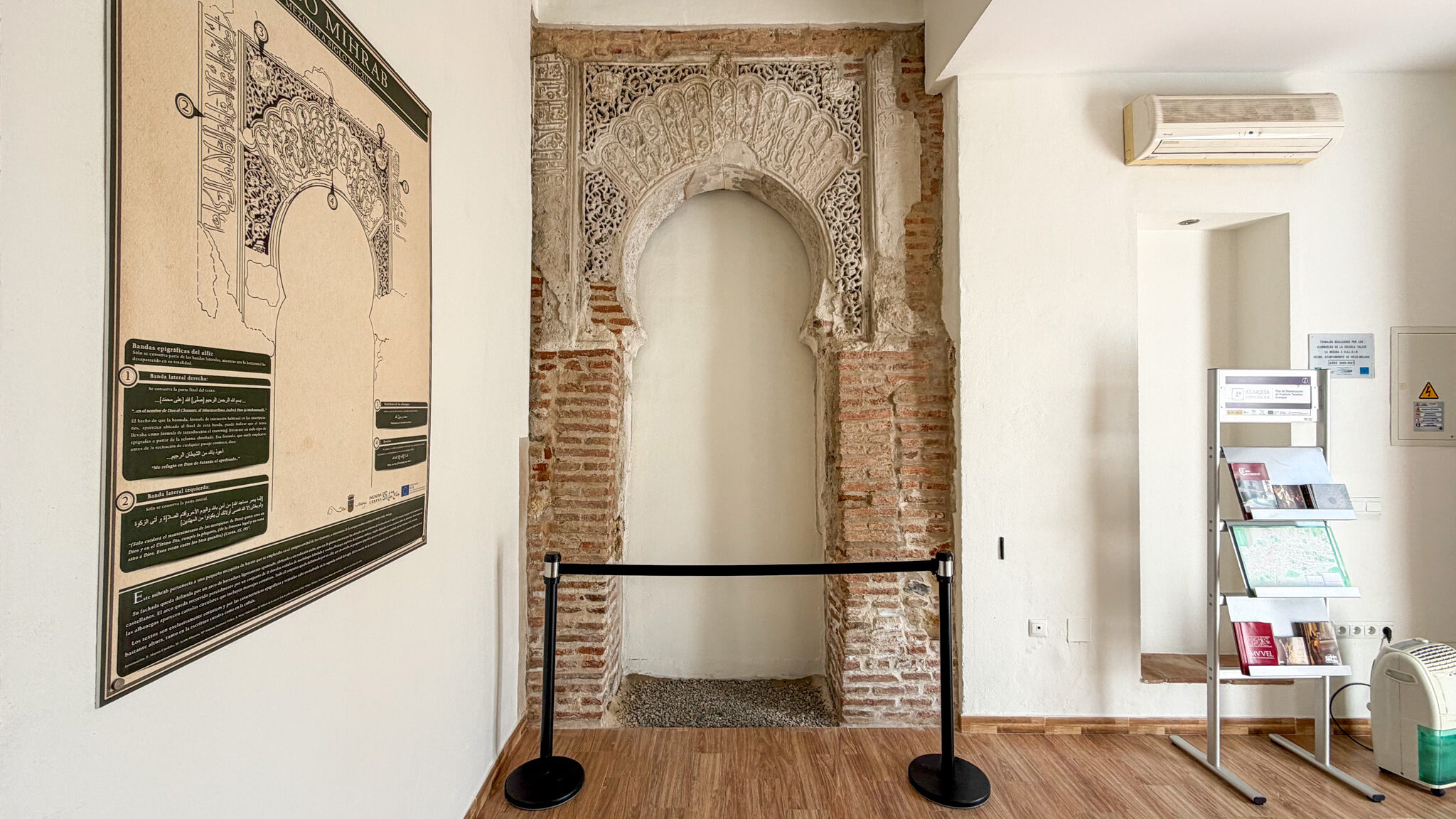
A very unique attraction in Velez-Malaga that many people miss is the Arco Mihrab Nazari. This decorative arch once formed part of a mosque in the Nasrid period, and it’s believed to have marked the location of the niche indicating the direction of Mecca. This is one of the few visible architectural traces of Moorish rule in the town, so it’s a must-see for visitors wanting to learn more about the area’s history.
It’s located inside a small building that’s only open for a small amount of time daily, so make sure you check the opening hours before heading there.
Iglesia de Santa Maria la Mayor
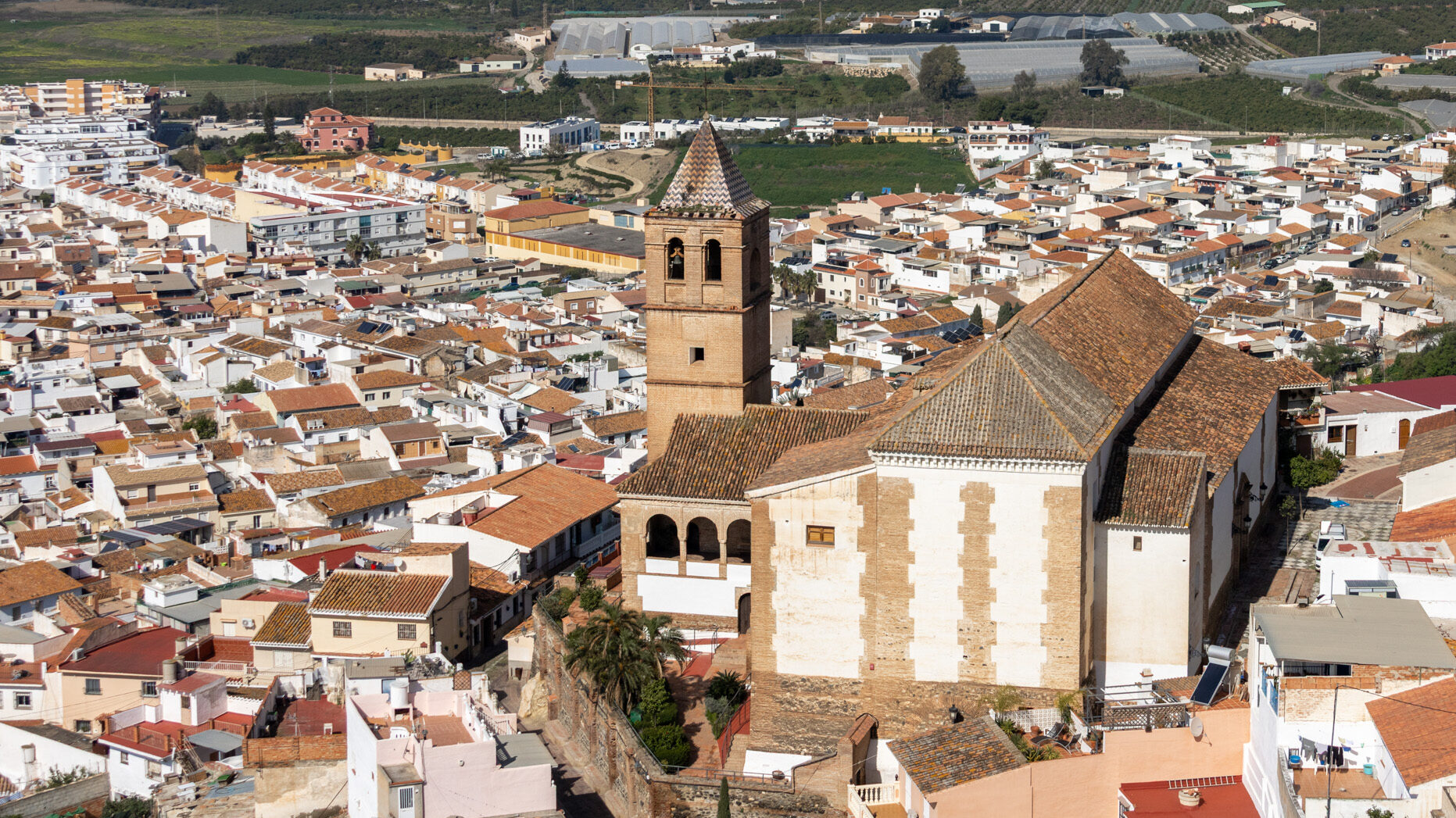
There’s another church in Velez-Malaga that shouldn’t be missed – Iglesia de Santa Maria la Mayor. It was built in the 15th century following the Christian reconquest, and it was built on the site of a former mosque, like many churches were. It marks the cultural transition that took place in the region during this time.
Today, the church is also home to the Museo de Semana Santa, which is a museum dedicated to Holy Week in Velez-Malaga. I didn’t have time to visit during my trip, but it’s a popular attraction and comes highly recommended.
Take a photo with Cervantes
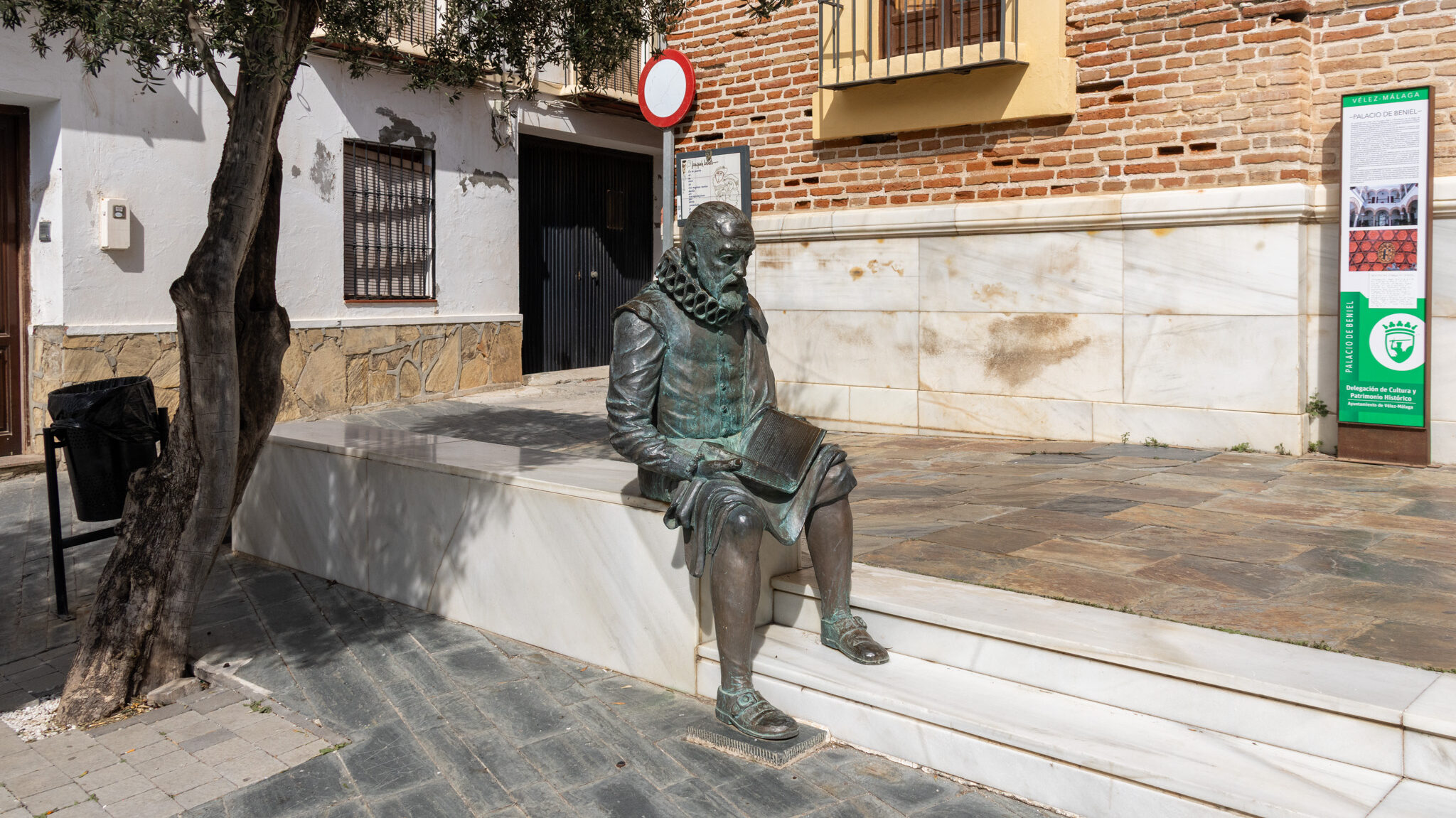
Velez-Malaga is tied to Cervantes, so what could be better than taking a photo with the man himself? Sitting outside the Palacio del Marques de Beniel is a statue of Cervantes sitting on a bench. It offers the perfect photo spot for anyone passing through Velez-Malaga. The statue highlights the pride the town takes in this literary link as well as Cervantes’ connection to the town.
Palacio del Marques de Beniel
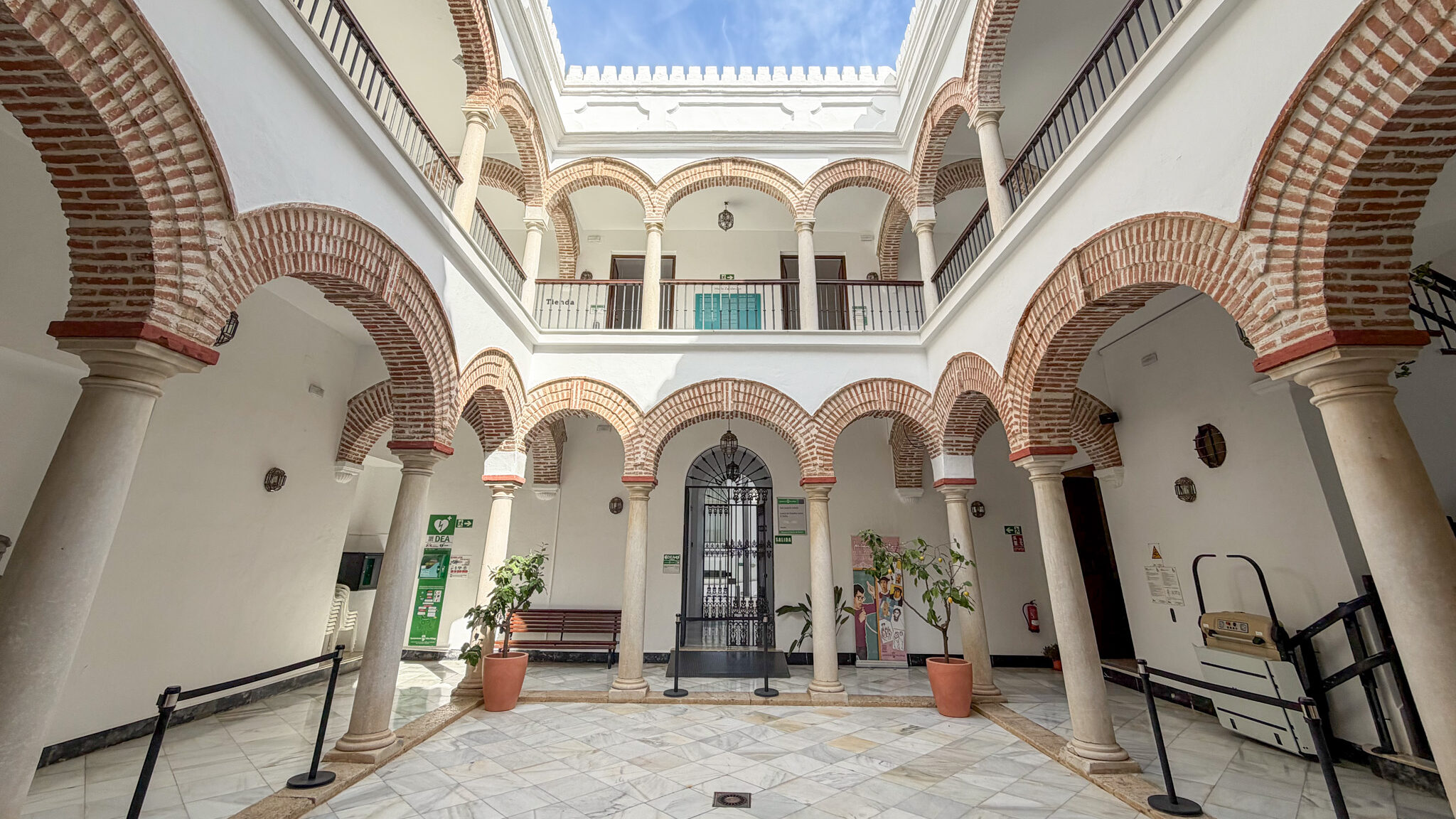
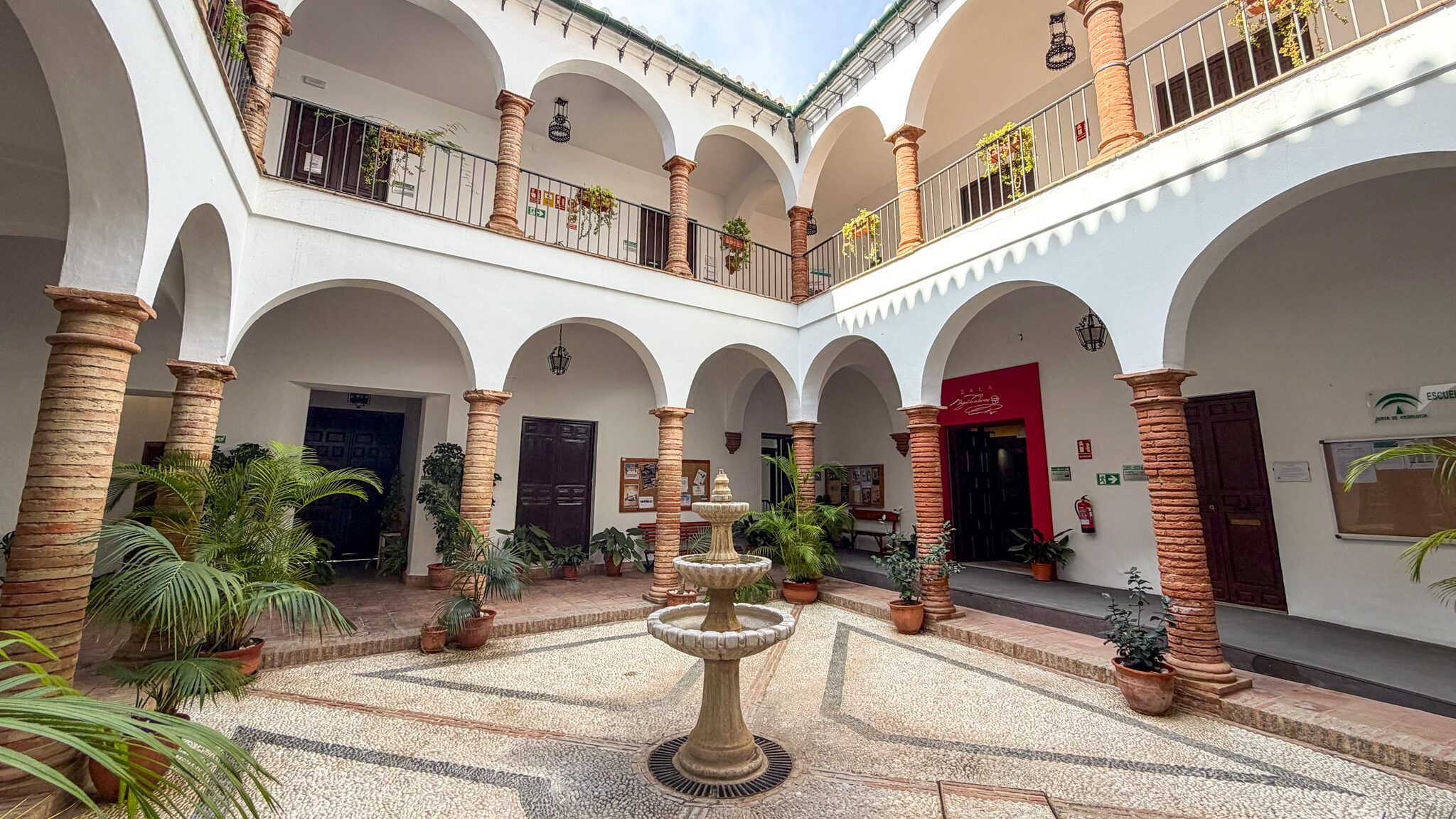
Palacio del Marques de Beniel is an elegant building that was built in the 17th century. It once belonged to a noble family, but today it serves as a cultural centre and exhibition space. When you step inside the palace, you’ll be met with a stunning example of classic Andalusian architecture, including a breathtaking interior courtyard. If the doors are open, make sure you pop in for a quick look – you may even find an art exhibit or cultural event taking place.
Mirador de Benamocarra
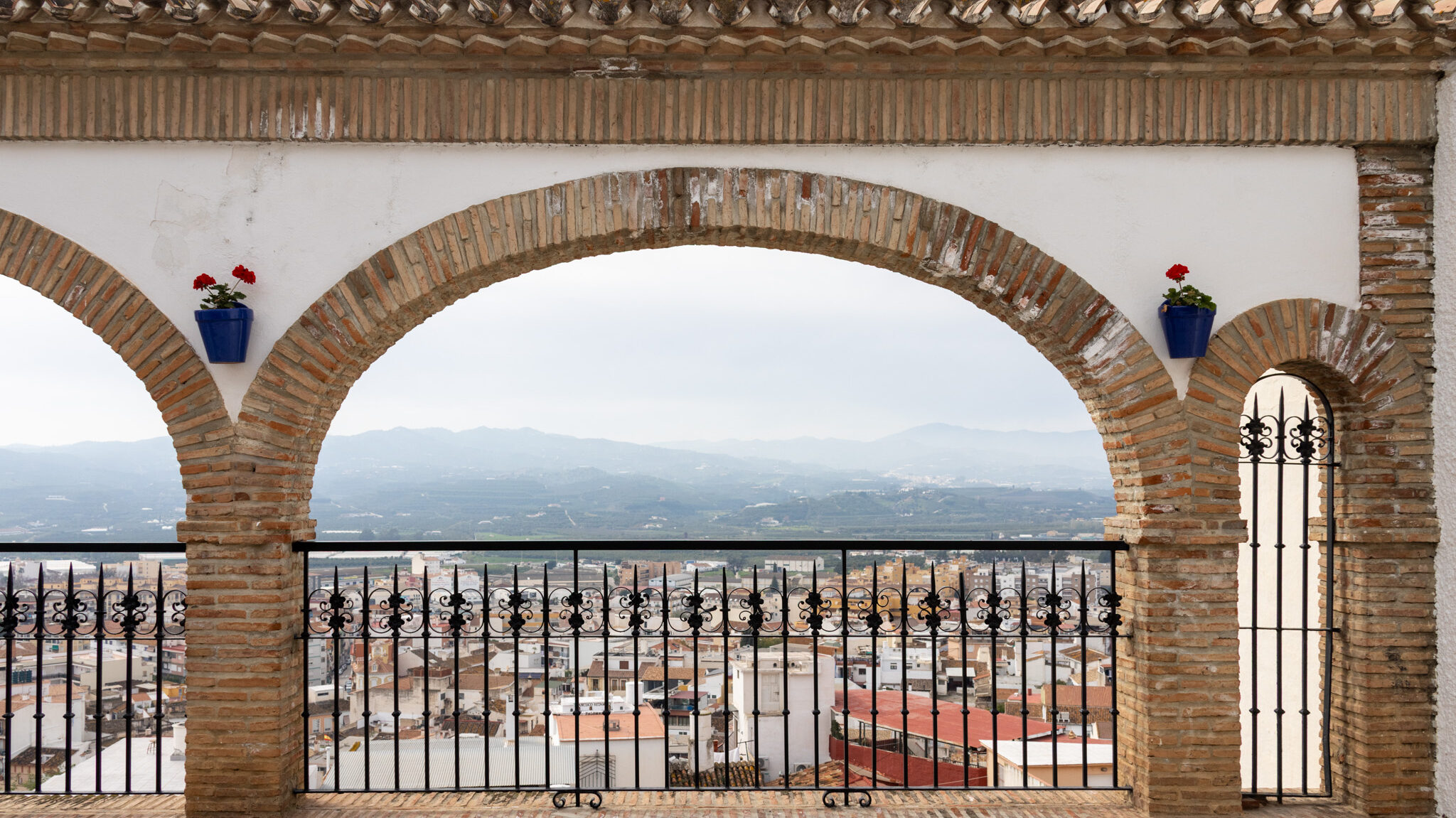
One of the best panoramic views in Velez-Malaga can be found at Mirador de Benamocarra. From here, you can enjoy views of nearby villages and the surrounding countryside. On a clear day, you can even spot the Mediterranean Sea in the distance. It’s a very peaceful spot to relax for a few moments, especially if you’re walking back uphill to reach your vehicle.
Around the corner from the viewpoint is the Hospital de San Juan de Dios, which is where the MUVEL is housed. The Museum of Velez-Malaga provides visitors with a good overview of the history of the town, starting in the prehistoric era. This makes it the perfect stop for history enthusiasts spending a day exploring one of Malaga’s best-kept secrets.
Ermita Virgen de los Remedios
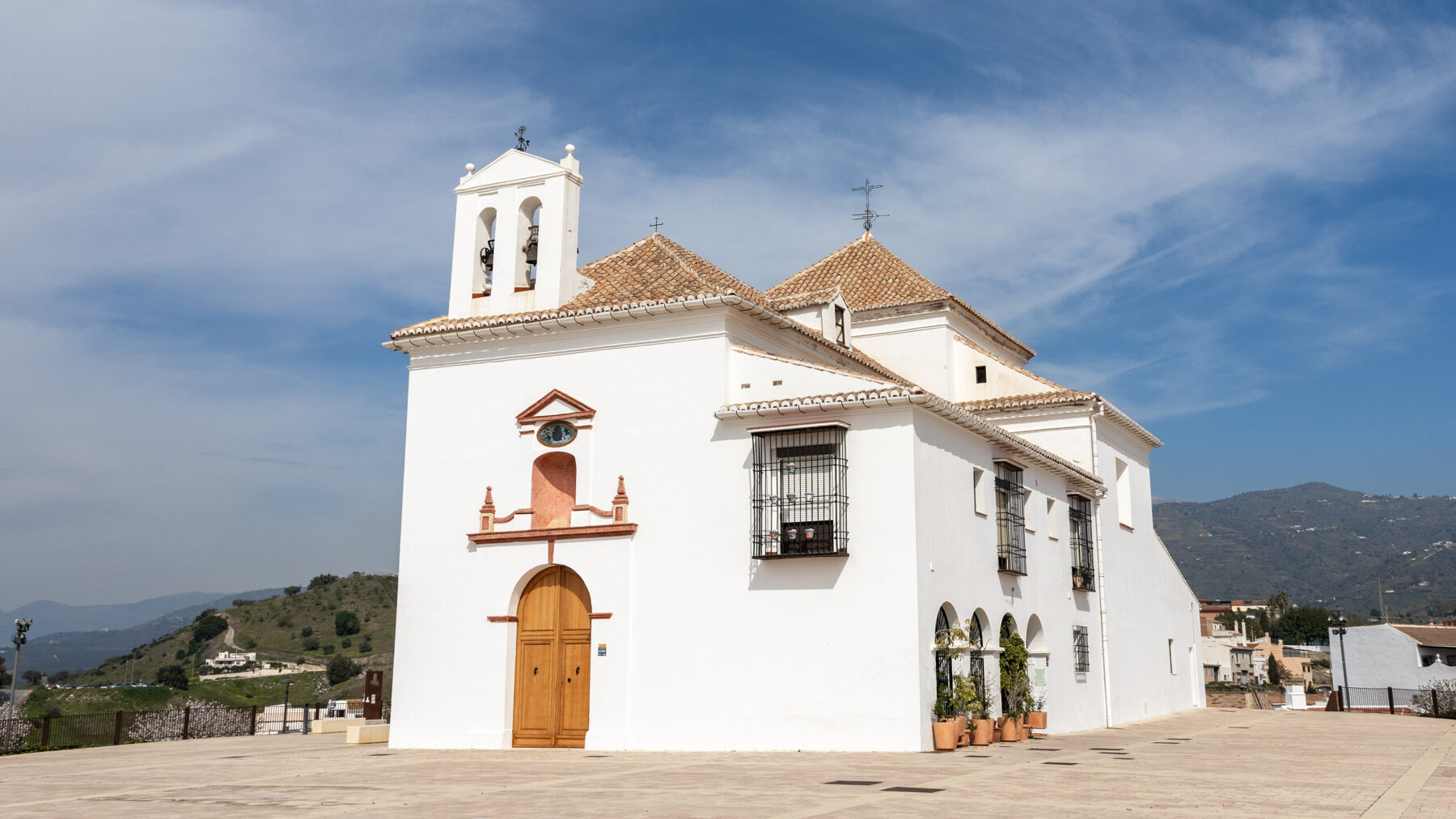
If you’re not feeling too tired from walking around Velez-Malaga all day, a walk up to Ermita Virgen de los Remedios is a must. This small sanctuary sits high above Velez-Malaga, and it’s named after the patron saint of the town. It’s long been an important site for pilgrims and locals, but beyond its religious importance, the hermitage provides some incredible views that are worth the steep walk to see.
Spend some time at the beach
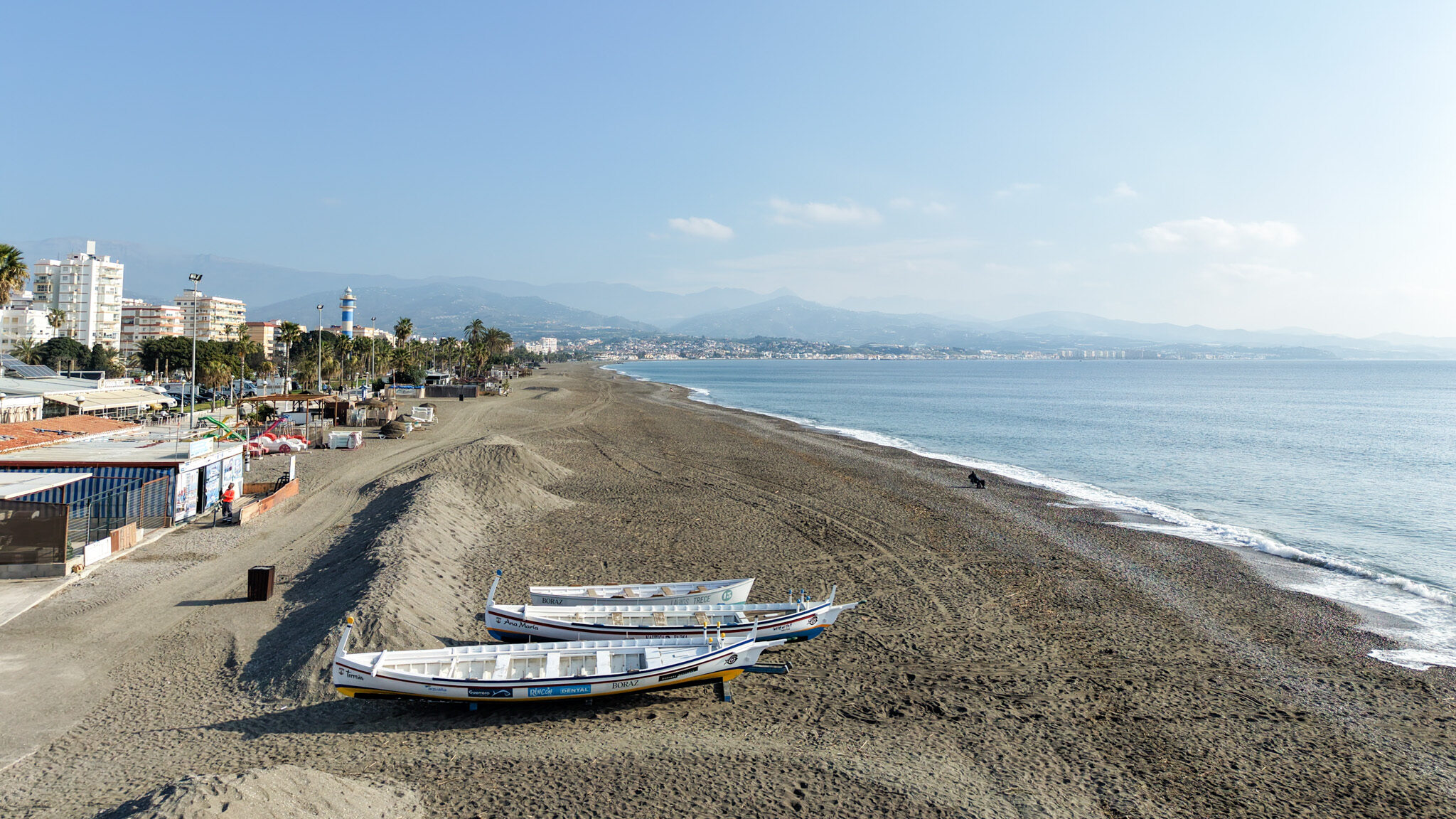
Once you’re done exploring Velez-Malaga, it’s easy to drive down to the coast and relax along the beaches in Torre del Mar. This seaside town is only a 10-minute drive away, and it was historically the port of Velez-Malaga. It’s an ideal place to unwind after a long day of sightseeing, and there are plenty of nice restaurants to enjoy that are situated along the beachfront.
Where to eat in Velez-Malaga
Restaurante Casa Domi

If you’re visiting Velez-Malaga during the offseason, chances are some of the restaurants and cafes will be closed midweek since the town is quieter. One restaurant that seems to be open year-round is Restaurante Casa Domi. It’s situated a short walk downhill from Plaza de la Constitucion, and there’s indoor and outdoor seating available. While their menu is predominantly seafood-based, dishes such as croquettes, grilled meats, and freshly made gyozas are also available. The food is made to order, and they use local, high-quality ingredients, so the food is very tasty.
Planning a day trip to Velez-Malaga
Planning a day trip to Velez- Malaga is one of the best decisions you can make while visiting the Costa del Sol. Typically, a visit should only take you half a day, though you can stretch your stay a little longer if you visit museums and plan a relaxed lunch here. After that, I’d recommend heading down to the coastal area for a stroll along the promenade and dinner by the sea. There are a lot of things to do in Velez-Malaga and the surrounding region, and spending time here will give you a different perspective on the Costa del Sol beyond the usual beach towns.
If you’re interested in spending more time in or near Velez-Malaga, there are a few nice hotels in the town, and plenty of options in the surrounding countryside or along the coast. Places such as Hotel Cortijo Bravo, Hotel Palacio Blanco, and BQ Andalucia Beach Hotel all have good reviews and are reasonably priced.
If you have any questions concerning what to do in Velez-Malaga or how to get there, please feel free to reach out. You can get in touch via email or through the contact form on my website. Don’t forget to follow along with my travels on Instagram and TikTok, too, where you’ll find more travel tips to help you start planning your next trip.
This post may contain affiliate links, which means I may earn a commission from the discount codes used or when a link/ad is clicked. All purchases made will come at no extra cost to you, and I only include products and services that I would personally recommend.
Pin this blog post for later!